
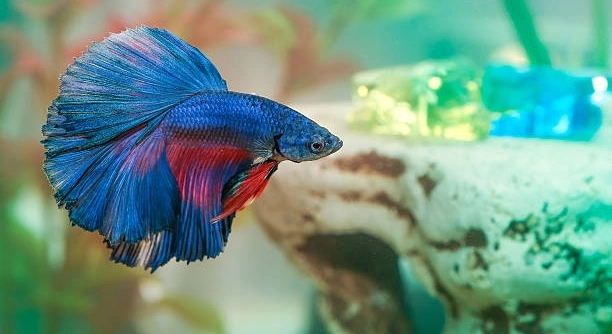
Cloudy water in your Betta fish tank can be concerning, especially if you’re unsure of the cause. Understanding why this happens can help you maintain a clean and healthy environment for your fish. This guide covers possible causes.
Cloudy water in a Betta fish tank can result from overfeeding, poor filtration, or a sudden change in water conditions. Bacterial blooms, algae growth, and inadequate water changes may also contribute to the cloudiness. Identifying the cause is essential for corrective action.
Understanding these factors will help you address the issue and maintain your Betta fish’s environment properly.
Overfeeding Your Betta Fish
Overfeeding your Betta can easily lead to cloudy water. When you give your fish more food than it can consume, leftover food will start to break down in the tank, creating excess waste. This waste can contribute to water cloudiness and also harm your Betta’s health. It’s important to only feed your Betta the appropriate amount of food, ensuring it can eat everything within a few minutes. Otherwise, the uneaten food will decay and introduce harmful bacteria into the water.
Feeding your Betta properly helps maintain a clean tank and healthy environment.
Ensure that you feed your Betta twice a day, offering just a small amount of food each time. Remove any uneaten food after a few minutes to prevent excess waste. This simple routine can keep the water clearer and reduce the chances of bacterial buildup.
Poor Filtration System
If your Betta’s filter isn’t working properly, the tank water will become cloudy more quickly. A weak or faulty filter cannot effectively remove debris, bacteria, or uneaten food from the water. It’s crucial to have a filter suitable for your Betta’s tank size and to clean the filter regularly. However, avoid filters that are too strong, as they can stress your Betta by creating strong water currents. A balanced filter will help keep the water clear and prevent cloudy conditions from arising.
Maintaining a properly functioning filter helps ensure the water stays clean and your Betta stays healthy.
Regularly check the filter for clogs or damage, and clean it as needed to ensure proper water circulation. Be sure to choose a filter with adjustable flow so that it suits the calm nature of Betta fish.
Bacterial Bloom
A bacterial bloom occurs when there’s an overgrowth of bacteria in the tank, often caused by an excess of nutrients like uneaten food or waste. This overgrowth makes the water look cloudy, especially if the tank isn’t properly cleaned or maintained. It’s usually temporary but can be a sign of poor water quality.
To fix this, perform water changes regularly to remove excess nutrients and waste. You should also ensure that the filtration system is working efficiently to eliminate harmful bacteria. If necessary, use a water conditioner to help balance the tank’s ecosystem.
If a bacterial bloom persists, it may be necessary to add a biological filter to help control bacteria levels. The cloudiness should clear up in a few days with consistent maintenance. Avoid overfeeding your Betta, as this can contribute to the problem. If the issue continues, it might indicate a deeper imbalance in the tank’s ecosystem that needs further attention.
Algae Growth
Algae can cause cloudy water if it grows out of control in your Betta’s tank. Algae thrive in environments with excessive light or nutrients, particularly from uneaten food, fish waste, or poor water changes. If algae take over, they will turn the water murky and can even harm your Betta’s health over time.
To address algae, limit the amount of light your tank receives. Betta fish do well in tanks with moderate light exposure, so keeping the tank away from direct sunlight can prevent algae from flourishing. Regular water changes also help control nutrient levels, preventing algae growth.
In addition to reducing light and doing water changes, you can introduce algae-eating plants or snails to help keep the algae in check. It’s important to balance the tank’s ecosystem to prevent algae from overtaking, as it can make the environment unhealthy for your Betta.
Infrequent Water Changes
Not changing the water in your Betta’s tank often enough can lead to cloudy water. Over time, waste products, excess food, and toxins build up in the water, contributing to the murkiness. Regular water changes help maintain water quality and prevent these issues.
To avoid cloudy water, perform partial water changes once a week. Use a siphon to remove debris from the substrate and change about 25-30% of the water. This will keep the water clean and free from excess nutrients, which can cause cloudy conditions.
Tank Overcrowding
Overcrowding your Betta’s tank with too many fish can lead to cloudy water as well. The increased waste from multiple fish can overwhelm the filtration system, causing the water to become murky. It’s important to keep a Betta in a properly sized tank with minimal tank mates.
Betta fish thrive in 5-gallon tanks or larger. If you plan to add other fish, ensure they are compatible with Betta fish and that the tank has adequate filtration to handle the extra waste. Monitoring the water quality is key to preventing cloudy water caused by overcrowding.
Unstable Water Parameters
Fluctuating water conditions, such as sudden changes in temperature, pH, or ammonia levels, can cause cloudy water in a Betta tank. If water parameters shift too quickly, it may trigger a bacterial bloom or stress your Betta, both of which contribute to murky water.
Maintain a stable environment for your Betta by regularly testing the water. Use a water testing kit to check for ammonia, nitrites, and pH levels. Keeping the water temperature consistent between 76°F and 82°F will also reduce stress and prevent water quality issues.
FAQ
Why is my Betta fish’s water cloudy after a water change?
If the water turns cloudy right after a water change, it could be due to a bacterial bloom. This often happens when there’s an imbalance in the tank after disturbing the environment. It’s a common occurrence and should clear up within a few days. To reduce the chance of this happening, always make sure to condition your water before adding it back to the tank and avoid introducing too much new water at once. Additionally, check if your filter is working well to ensure proper water circulation.
How can I prevent my Betta’s water from becoming cloudy?
To prevent cloudy water, maintain a consistent cleaning routine. Change the water regularly, clean the substrate, and check the filter to ensure it is properly functioning. Avoid overfeeding your Betta and remove any uneaten food within a few minutes. Make sure the tank is not overcrowded, as too many fish can cause water issues. Lastly, monitor water parameters to keep things stable, as rapid changes can stress the fish and promote bacterial blooms or algae growth.
What are the signs of a bacterial bloom in my Betta’s tank?
A bacterial bloom typically causes the water to appear milky or cloudy. It occurs when excess nutrients, like uneaten food or fish waste, cause bacteria to grow rapidly. You may also notice a smell or a significant drop in water quality. If this happens, perform a partial water change to remove excess nutrients and keep the filter clean. With proper care, the bloom should subside within a few days.
Can overfeeding my Betta cause cloudy water?
Yes, overfeeding is one of the main causes of cloudy water. When too much food is left uneaten, it decomposes and produces waste that clouds the water. Make sure to only feed your Betta what it can eat in about 2-3 minutes. Remove any leftover food to prevent it from decomposing and contaminating the water.
Is it okay to add chemical additives to clear cloudy water?
It’s best to avoid chemical additives unless absolutely necessary. While they may temporarily clear up the cloudiness, they don’t address the underlying issue, such as poor water quality, overfeeding, or an overcrowded tank. It’s better to focus on cleaning, water changes, and adjusting the tank’s environment to prevent recurring cloudiness.
How do I know if my Betta is stressed due to poor water quality?
Signs of stress in Betta fish include sluggishness, loss of appetite, faded colors, and hiding more than usual. If the water is cloudy or unbalanced, it can stress your Betta, affecting its overall health. Keeping the water clean and stable will reduce the chances of your Betta becoming stressed.
Should I use a UV sterilizer to clear cloudy water?
A UV sterilizer can help clear cloudy water caused by bacterial blooms or algae by killing harmful microorganisms. However, it’s important to remember that a UV sterilizer should not be used as a permanent solution. It’s best used as a tool to help balance water conditions, but the root cause, such as overfeeding or improper tank maintenance, needs to be addressed for long-term clarity.
Can algae contribute to cloudy water in my Betta’s tank?
Yes, algae can definitely cause cloudy water, especially if it grows excessively. Algae blooms are typically triggered by too much light or an excess of nutrients, such as uneaten food or fish waste. To prevent this, limit the tank’s exposure to light, perform regular water changes, and consider adding algae-eating plants or snails to help maintain balance.
What’s the ideal tank size for my Betta to avoid cloudy water?
A 5-gallon tank is the minimum recommended size for a Betta fish. Smaller tanks can accumulate waste quickly and cause cloudy water. A larger tank allows for better filtration and more stable water conditions, reducing the likelihood of cloudiness. Larger tanks also give your Betta more space to swim and thrive, making it a healthier environment overall.
Why is my Betta’s water cloudy even with regular water changes?
If the water is still cloudy despite regular changes, it could be due to an imbalanced filtration system or poor water parameters. Make sure your filter is functioning correctly and that it’s not clogged. It’s also important to test the water for ammonia, nitrites, and pH levels. A sudden change in water conditions can also trigger cloudy water.
What should I do if my Betta’s tank is consistently cloudy?
If the water remains cloudy despite your efforts, it’s important to investigate all possible causes. Start by performing a full water change and cleaning the tank, substrate, and filter. Test the water for pH, ammonia, and nitrite levels. If the problem persists, check the tank’s lighting and ensure there isn’t too much food or waste accumulating. Adjust the feeding schedule, remove uneaten food, and avoid overstocking the tank.
Can I use aquarium salt to clear cloudy water?
Aquarium salt can be useful for treating certain health issues in fish but is not a solution for cloudy water caused by bacteria or poor water quality. Salt may help reduce stress and improve overall health if your Betta is sick, but it won’t address the root causes of cloudy water. It’s better to focus on cleaning, water changes, and maintaining a balanced tank environment.
How often should I check my Betta’s water parameters?
You should check your Betta’s water parameters at least once a week. This includes testing for ammonia, nitrite, nitrate, pH, and temperature. Consistent monitoring helps you catch problems early, preventing issues like cloudy water and ensuring a healthy environment for your Betta. Regular checks are essential for long-term tank stability.
Final Thoughts
Cloudy water in your Betta’s tank can be frustrating, but it is often a sign of something that can be fixed with the right approach. The most important thing is to identify the cause of the cloudiness. Whether it’s overfeeding, an unclean filter, a bacterial bloom, or excessive algae growth, understanding the root cause is crucial to finding a lasting solution. Regular maintenance, including water changes, cleaning the tank, and monitoring water parameters, will help keep your Betta’s environment healthy and clear.
It’s also important to remember that your Betta’s well-being is closely tied to the quality of the water it lives in. Betta fish thrive in clean, stable conditions, and cloudy water can lead to stress or illness. By maintaining a proper feeding schedule, removing uneaten food, and ensuring your tank is not overcrowded, you can minimize the risk of water becoming cloudy. Additionally, using a reliable filtration system and adjusting the tank’s lighting will go a long way in preventing algae and bacteria from taking over the tank.
Ultimately, patience and consistency are key. While it may take some time to resolve the issue, regularly cleaning the tank, adjusting feeding habits, and monitoring the water will help ensure your Betta’s tank stays clear and healthy. Remember, every tank is different, and it’s important to find a routine that works for you and your Betta. When in doubt, don’t hesitate to seek advice from a local aquarium expert or consult a vet specializing in aquatic animals. By staying proactive, you’ll create the best environment for your Betta to thrive.

Hello,
If you enjoy the content that we create, please consider saying a "Thank You!" by leaving a tip.
Every little bit helps us continue crafting quality advice that supports the health, happiness, and well-being of pets around the world, for pets of all shapes, sizes, and species.
We really appreciate the kindness and support that you show us!