
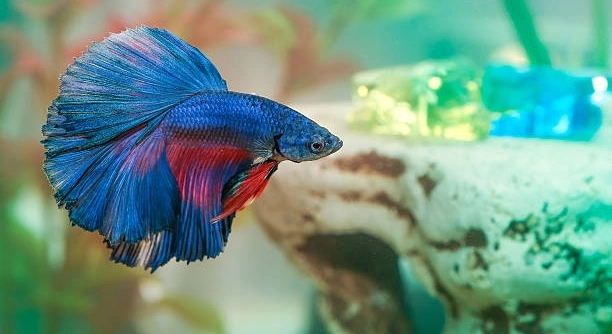
Do you ever find yourself worried about your betta fish jumping out of its tank? These small, vibrant fish are known for their energetic nature, but their jumping habits can lead to dangerous situations if precautions aren’t taken.
The most effective way to prevent betta fish from jumping out of the tank is by using a secure lid. A well-fitted lid ensures your fish stays safe while allowing proper ventilation, reducing the risk of escape and potential injury.
Preventing your betta fish from jumping involves more than just using a lid. Understanding their behavior and adjusting their environment can help keep them safe and happy in their tank.
Use a Secure Lid
A well-fitted lid is the best way to stop your betta fish from jumping out of the tank. Bettas are active and curious, making them prone to leaping out of the water. Without a lid, they can easily escape, leading to injury or even death. Choose a cover that allows airflow while keeping your fish safe. Mesh lids work well because they provide oxygen exchange while preventing jumps. Glass or plastic lids with small ventilation holes are also effective. Always check for gaps around the edges, as even small openings can be risky for a determined betta.
A lid not only prevents jumping but also helps maintain stable water conditions. It reduces evaporation, keeping the water level consistent and preventing sudden changes in temperature or water chemistry.
If you don’t already have a lid, make it a priority. It’s an easy fix that significantly reduces the risk of your betta jumping out.
Keep the Water Level Low
A lower water level gives your betta less room to gain momentum for jumping. If the water is too close to the top, it increases the chances of your fish making it out of the tank.
Keeping the water level about two inches below the rim adds an extra barrier. Bettas are strong jumpers, but a lower water level makes it harder for them to leap out. This is especially useful for tanks without lids or those with small openings. In addition to lowering the water level, make sure the tank isn’t placed near bright lights or reflections, as these can encourage jumping.
Adjusting the water level is a simple but effective way to keep your betta safe. Combined with a secure lid, this small change can prevent accidents. Monitoring the water level regularly will ensure it stays at a safe height, reducing the risk of escape.
Avoid Sudden Movements
Sudden movements around the tank can startle your betta fish, making them more likely to jump. Fast hand movements, tapping on the glass, or sudden changes in lighting can cause stress. A calm environment helps keep them relaxed and less prone to leaping.
Bettas are naturally alert and respond quickly to perceived threats. If they feel startled, they may react by jumping. Avoid placing the tank in high-traffic areas where there’s constant movement. When feeding or cleaning the tank, move slowly and gently. Using a dimmer light setting or turning on room lights before the tank light can prevent sudden brightness changes that might frighten your fish. A stress-free betta is less likely to jump, so keeping their surroundings peaceful is an important step in preventing accidents.
A stable environment also plays a role in reducing stress. Loud noises, sudden vibrations, and other disturbances can make bettas nervous. If they constantly feel threatened, they may develop erratic behaviors, including jumping. Consider adding plants or decorations to create hiding spots. This provides a sense of security, making your fish feel safer in their home. When they feel comfortable, they are less likely to react impulsively and jump out of the tank.
Maintain Proper Water Conditions
Unstable water conditions can cause stress, leading bettas to jump in search of better water. Poor water quality, incorrect temperature, or fluctuating pH levels make the tank uncomfortable. Keeping the water clean and stable ensures your fish stays healthy and reduces the urge to escape.
Perform regular water changes to keep ammonia and nitrate levels low. A good rule is to change 25-30% of the water weekly. Use a water conditioner to remove harmful chemicals like chlorine. Maintain a steady water temperature between 76-82°F (24-28°C) using a reliable heater. Sudden temperature shifts can stress your betta, increasing the likelihood of jumping. Test the water parameters regularly to keep pH levels between 6.5 and 7.5. Avoid sudden adjustments, as rapid changes can shock your fish.
A well-maintained tank helps keep your betta comfortable and happy. Dirty or unbalanced water can make them feel uneasy, leading to erratic behavior. By keeping the water clean, at the right temperature, and chemically balanced, you create a stable environment that discourages jumping. Regular maintenance and monitoring help ensure your fish stays safe and stress-free.
Provide Enough Stimulation
Bored bettas are more likely to jump. Without enough stimulation, they may become restless and try to explore beyond their tank. Adding decorations, live plants, and safe toys can help keep them engaged and entertained, reducing their urge to leap out of the water.
A varied diet also keeps them stimulated. Feeding different types of food, like high-quality pellets, frozen or live brine shrimp, and bloodworms, prevents boredom. Interactive feeding, such as placing food in different areas of the tank, encourages natural hunting behavior. Keeping your betta mentally and physically active helps reduce stress and minimizes jumping.
Reduce Reflections on the Tank
Reflections can make a betta think another fish is nearby, triggering territorial behavior. If they see their reflection for too long, they may become agitated and try to jump to attack the “intruder.” Adjusting the tank lighting or placing a background on one side can help reduce reflections.
Avoid Overcrowding
An overcrowded tank can make a betta feel stressed, increasing the chances of jumping. Too many fish or decorations reduce swimming space, making the environment feel cramped. A betta needs enough room to swim freely, so keeping the tank spacious and properly arranged helps them feel comfortable and safe.
FAQ
Why does my betta fish jump out of the tank?
Bettas are curious and active fish, naturally inclined to jump. They might jump to explore their environment, find food, or escape perceived threats. Factors like poor water quality, sudden movements, or overcrowded tanks can increase the chances of jumping. Stress and boredom also play significant roles in this behavior. A tank with a proper lid and stable conditions will help prevent this from happening.
Can betta fish hurt themselves by jumping?
Yes, jumping can be dangerous for bettas. They can hurt themselves by landing on the floor, which could cause injury or even death. Bettas are delicate fish, and the impact of jumping out of the tank can cause internal damage, dehydration, or physical harm. It’s crucial to ensure the tank is properly secured to avoid accidents.
Do all betta fish jump?
Not all bettas will jump. Some are less active or more relaxed, while others are more curious and energetic. However, even a betta that rarely jumps can do so in certain circumstances, such as when feeling threatened or stressed. It’s always a good idea to take preventive measures, even if your betta hasn’t jumped yet.
How can I stop my betta fish from jumping out of the tank?
The best way to prevent jumping is by using a secure lid. Keep the water level a bit lower than the tank rim to reduce the risk of escape. Reducing stress, providing enough stimulation, and maintaining a calm environment can also help. Keeping the tank covered and ensuring good water conditions will significantly minimize the chances of jumping.
Can betta fish jump out of a small tank?
Yes, bettas can jump out of small tanks. While a smaller tank may feel more enclosed, bettas are still capable of leaping out if the tank has no cover or if the water level is too high. Even in small tanks, it’s important to use a secure lid and maintain a lower water level to keep them safe.
How do I know if my betta is stressed and likely to jump?
Signs of stress in bettas include erratic swimming, loss of appetite, hiding, or aggressive behavior. If your betta frequently flares its gills or seems agitated, these are indicators that it might be stressed. Stressful conditions such as poor water quality, changes in the tank environment, or other fish in the tank can trigger jumping behavior.
Does the type of tank affect jumping behavior?
Yes, the type of tank can impact how likely a betta is to jump. Open tanks without a lid or tanks with large openings increase the chances of jumping. Betta fish are less likely to jump if the tank is well-covered, with a proper lid and minimal gaps. The size of the tank also matters; cramped spaces can cause stress, making the fish more likely to jump.
Can I use a net to catch my betta if it jumps out?
While you can use a net to catch your betta if it jumps out, it’s important to act quickly. The longer the fish stays out of the water, the more likely it is to suffer from dehydration or injury. It’s crucial to retrieve the betta as soon as possible and place it back in the water.
Will adding plants and decorations help prevent my betta from jumping?
Yes, adding plants and decorations can help provide hiding spots and security for your betta. A well-decorated tank can make the fish feel more at ease, reducing stress and the desire to jump. Plants can also provide visual barriers, making the betta feel less threatened by its reflection or outside disturbances.
Is it safe to use a lid with holes for ventilation?
Yes, a lid with small ventilation holes can be safe for your betta, as long as the holes are not too large. The lid will help prevent jumping while still allowing air exchange. It’s essential to make sure the holes are small enough that your betta cannot squeeze through them, but large enough to allow proper airflow.
What type of lid is best for a betta tank?
A mesh or glass lid with small holes for ventilation is ideal for a betta tank. The mesh lid allows airflow while preventing your betta from jumping out. If using a glass lid, ensure there are small ventilation holes to allow oxygen exchange. The lid should fit securely to avoid any gaps.
Can water temperature influence jumping behavior?
Yes, temperature fluctuations can cause stress, which might lead to jumping. Bettas thrive in a warm, stable environment, with water temperatures between 76-82°F (24-28°C). If the water is too cold or changes too quickly, it can make your betta feel uncomfortable and increase the likelihood of jumping. Using a reliable heater can help maintain a consistent water temperature.
What should I do if my betta jumps out of the tank?
If your betta jumps out of the tank, quickly retrieve it and place it back into the water. Be gentle when handling your fish, as bettas are delicate. You can rinse the fish with aquarium water to remove any dust or debris before returning it to the tank. Keep an eye on it afterward for signs of stress or injury.
Do betta fish jump when they’re breeding?
Yes, bettas can jump when they are in a breeding situation. During the breeding process, they may become more active and territorial, which could lead to jumping. It’s essential to ensure that the tank has a lid or cover to prevent any accidents during this time. If you’re breeding bettas, consider using a separate breeding tank with secure coverings.
How can I prevent my betta from jumping during water changes?
To prevent jumping during water changes, make sure the water level is lower than usual and always move slowly around the tank. Bettas can be startled by sudden movements or changes in their environment. Also, ensure the new water is at the correct temperature and pH to minimize stress during the change.
Final Thoughts
Preventing your betta fish from jumping out of the tank requires attention to a few key factors. The most important step is ensuring the tank has a secure lid that fits properly, keeping your fish safely inside. Bettas are naturally curious and energetic, and without a cover, they are likely to jump. Even with a lid, the water level should be kept lower than the tank’s rim to reduce the chance of an escape. With these simple adjustments, you can greatly minimize the risk of your betta making a leap out of its home.
Aside from a secure tank setup, creating a calm and stress-free environment for your betta is equally crucial. Stress is one of the main triggers for jumping, so it’s essential to maintain clean water, a stable temperature, and a well-maintained tank. Betta fish thrive in peaceful surroundings, so avoid sudden movements around the tank and place the aquarium in a quiet, low-traffic area. Adding plants or decorations can also help provide security and stimulation, making your betta feel more at ease. A relaxed betta is much less likely to make a sudden jump.
Lastly, always pay attention to your betta’s behavior. If you notice signs of stress, such as erratic swimming or loss of appetite, it’s important to address any possible issues promptly. Regular water changes, checking for tank overcrowding, and ensuring the fish has enough stimulation can all play a part in keeping your betta safe and healthy. By focusing on these simple but effective methods, you can ensure that your betta fish stays happy in its tank without worrying about it jumping out.

Hello,
If you enjoy the content that we create, please consider saying a "Thank You!" by leaving a tip.
Every little bit helps us continue crafting quality advice that supports the health, happiness, and well-being of pets around the world, for pets of all shapes, sizes, and species.
We really appreciate the kindness and support that you show us!