
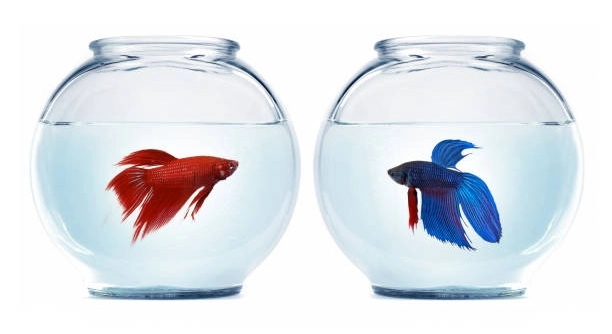
Betta fish are popular pets known for their vibrant colors and unique personalities. Many people consider them a great choice for beginners due to their low-maintenance nature. In this article, we’ll explore why they make excellent companions.
Betta fish are easy to care for, require minimal space, and have captivating personalities. Their hardy nature makes them suitable for both beginners and experienced pet owners alike. Additionally, they do not need a large tank or complex filtration system.
While their simple care routine may seem straightforward, there are other benefits that make Betta fish appealing. Let’s take a closer look at the seven reasons why they stand out as wonderful pets.
Betta Fish Are Low Maintenance
Betta fish are an ideal choice for those seeking a low-maintenance pet. Unlike many other fish, they don’t require a complicated filtration system or frequent water changes. Their hardy nature allows them to thrive in smaller tanks, and they don’t demand a constant supply of attention. For beginners, this simplicity can be a huge advantage, as it reduces the stress of maintaining a pet. Betta fish also don’t need to be fed daily; once every two or three days is sufficient for keeping them healthy. Their ease of care makes them a great starting point for anyone interested in having a pet without overwhelming responsibilities.
While Betta fish do not need constant attention, it’s still important to monitor their health and environment regularly. Keeping their tank clean and providing fresh water occasionally ensures they remain happy and healthy.
Their resilience in various environments also adds to their appeal. With minimal care requirements, Betta fish are a great way to introduce someone to the responsibility of owning a pet. They offer a simple, enjoyable experience for anyone who may not have the time or energy to manage a more demanding animal.
Betta Fish Are Visually Stunning
Betta fish are known for their brilliant colors and striking fins. Their vibrant hues range from bright reds and blues to purple, green, and even multicolored shades. These stunning displays make them fascinating to watch, as their movement in the water can be mesmerizing. The colors are not only eye-catching, but they also reflect the Betta’s health and vitality. Healthy Bettas show off their true beauty, making them a constant source of visual enjoyment.
Their unique fins also contribute to their charm. Betta fish have long, flowing tails that move elegantly in the water. These fins are different from other fish, adding an extra level of interest and grace to their appearance.
The Betta’s beauty goes beyond color alone. Many people love the challenge of choosing a Betta that complements their personality or living space. Some even create themes or specific color schemes for their Betta’s environment, making them an even more enjoyable pet to have.
Betta Fish Have Unique Personalities
Betta fish are more than just colorful creatures. They have distinct personalities that make them fun to observe. Some Betta fish are curious and active, swimming around their tank with energy. Others might be more laid-back, often resting near plants or decorations. These variations give each Betta a unique charm, making them feel almost like a little companion.
Their behavior can vary widely depending on their environment and temperament. For example, some Betta fish may even recognize their owners, responding to their presence with excitement or interest. This connection helps make them feel less like a typical fish and more like an interactive pet.
Because they show such unique behaviors, Betta fish can be a source of entertainment. Watching them explore their surroundings or interact with objects in their tank can be surprisingly engaging. Whether they’re darting through plants or flaring their fins at their reflection, these small fish never fail to capture attention.
Betta Fish Are Suitable for Small Spaces
Betta fish do not require large tanks, making them ideal for smaller spaces. Their small size allows them to live comfortably in a tank as small as 2.5 gallons, which can easily fit on a desk or countertop. This makes them perfect for people who live in apartments or have limited space.
Additionally, Betta fish don’t need much in terms of accessories. A simple tank with a few plants, some rocks, or decorations is enough to keep them content. You don’t need to worry about giving them a vast aquatic space, which also reduces maintenance and costs.
Even in a small tank, Betta fish can thrive as long as you provide the essentials: clean water, occasional feeding, and a comfortable environment. Their ability to adapt to these compact spaces makes them the perfect choice for anyone with limited room for a pet but who still wants to enjoy having one.
Betta Fish Are Low-Cost Pets
Betta fish are a budget-friendly option for pet owners. Their care requirements are minimal, meaning you won’t need to spend a lot on upkeep. A small tank, water conditioner, and occasional food are the main expenses. Compared to other pets, Betta fish are relatively inexpensive to maintain.
They don’t require expensive equipment, like heaters or filtration systems, as much as other fish do. Many Betta owners can manage with just basic supplies, making them a cost-effective choice. You’ll spend less on initial setup and on ongoing care, which is ideal for those on a budget.
Betta Fish Are Quiet
Betta fish are one of the quietest pets you can have. Unlike many animals that may vocalize or create noise, Betta fish don’t make any sounds that can disrupt your home. This makes them a great choice for anyone who prefers a peaceful environment.
Their stillness allows them to fit into almost any space without adding extra noise. Whether you place them in a living room, bedroom, or office, Betta fish will not disturb you with loud sounds. Their quiet nature adds to their appeal for those seeking a calm, serene atmosphere.
Betta Fish Are Great for Learning Responsibility
Caring for a Betta fish teaches important lessons in responsibility. They require consistent care, including feeding and occasional water changes. This makes them a good starting point for children or anyone new to pet ownership. The routine helps foster discipline and routine.
Betta fish are not overly demanding but still require attention to thrive. By following a schedule for their care, you’ll develop habits that carry over into other aspects of life. This responsibility provides a sense of accomplishment and helps build routines. It’s a simple way to learn how to care for another living being.
FAQ
How often should I feed my Betta fish?
Betta fish should be fed once or twice a day. Overfeeding is a common mistake, as it can lead to water quality problems and obesity in the fish. Offer a small amount of food that they can consume in about two minutes. It’s better to underfeed slightly than overfeed.
Can Betta fish live with other fish?
Betta fish can live with other fish, but they are territorial. Male Bettas, in particular, should not be housed with other males or fish that have long, flowing fins, as they might mistake them for rivals. Peaceful fish like Corydoras catfish or neon tetras can coexist with Betta fish in larger tanks, but it’s essential to keep an eye on their interactions.
What size tank do Betta fish need?
A minimum of a 2.5-gallon tank is suitable for a Betta fish, but a 5-gallon tank is preferable for better water quality and a more comfortable living space. The bigger the tank, the more stable the water conditions, which leads to a healthier Betta.
Do Betta fish need a filter?
Betta fish don’t need a filter as much as other fish, but having one can help keep the water clean and maintain good water quality. However, if you use a filter, make sure it has a gentle flow. Bettas prefer calm waters, so avoid strong currents.
Do Betta fish need a heater?
Yes, Betta fish are tropical and need warm water, ideally between 75-80°F (24-27°C). If you live in a cooler climate, using a heater is important to maintain a consistent temperature in their tank. Sudden temperature changes can cause stress and illness in Betta fish.
How do I know if my Betta fish is happy?
A healthy and happy Betta will display vibrant colors and swim actively around the tank. They may also flare their fins when interacting with their environment or reacting to their reflection. Bettas that seem lethargic, lose color, or hide all the time may be stressed or unwell.
Can Betta fish live in bowls?
While it’s possible to keep a Betta in a bowl, it’s not recommended for their long-term health. Bowls lack proper filtration and water volume, which can lead to poor water quality. Bettas need space to swim and a stable environment, which is best provided by a tank with a proper filtration system.
Why is my Betta fish hiding?
Bettas sometimes hide when they are stressed, sick, or simply tired. If your Betta is hiding regularly, check the water quality and temperature. Make sure there are no sudden changes in their environment, as this can cause stress. Illness or injury may also cause a Betta to seek shelter.
What should I do if my Betta fish has fin rot?
Fin rot is a bacterial infection that can cause Betta fish’s fins to deteriorate. It’s important to treat it promptly to prevent it from spreading. You can use an antibacterial treatment for fin rot, but first, remove the Betta from the tank and quarantine them in a separate, clean environment. Make sure the water quality is optimal, as poor water conditions can contribute to fin rot.
How can I tell if my Betta fish is sick?
Signs that a Betta may be sick include loss of color, floating upside down, lethargy, clamped fins, or sores on their body. If you notice any of these signs, check the water quality first. If the problem persists, consider consulting a vet who specializes in fish or an experienced Betta breeder for advice.
How long do Betta fish live?
On average, Betta fish live for about 3 to 5 years. With proper care, some Bettas may live even longer. Providing a clean tank, stable water temperature, a good diet, and proper routine maintenance can help them live to their fullest potential.
Can Betta fish be trained?
Yes, Betta fish can be trained to perform simple tricks, such as following your finger, jumping through hoops, or swimming through tunnels. Training a Betta requires patience, consistency, and positive reinforcement with food rewards. Bettas are intelligent and can learn certain behaviors with enough practice.
What do Betta fish eat?
Betta fish are carnivores and thrive on a diet of high-quality fish pellets or flakes, supplemented with live or frozen food like brine shrimp or daphnia. Offering a variety of foods ensures they get a well-rounded diet. Avoid feeding them too much, as this can lead to overfeeding and water contamination.
Why is my Betta fish’s color fading?
A Betta’s color may fade due to stress, poor water quality, or illness. If the water parameters (like pH, ammonia levels, and temperature) are not within the proper range, the fish may become stressed and lose color. Monitor the water conditions and make sure the Betta is in a stress-free environment.
Do Betta fish sleep?
Yes, Betta fish do sleep. They tend to sleep at night or during quiet periods of the day, often resting near plants or hiding spots. They may appear to be resting at the bottom of the tank, but this is normal. As long as they are active during waking hours, there’s no need to worry.
Betta fish make excellent pets for many reasons. They are beautiful, low-maintenance, and easy to care for, making them a great choice for both beginners and experienced pet owners. Their small size means they don’t require a lot of space, which makes them ideal for apartments or places where room is limited. Additionally, their quiet nature and unique personalities bring a sense of enjoyment to their owners. Betta fish offer companionship without the need for constant attention, allowing their owners to enjoy a calm, peaceful environment.
Taking care of a Betta fish involves some basic tasks, such as maintaining the water temperature, feeding them properly, and occasionally cleaning their tank. While they don’t require complicated setups or expensive equipment, it’s still important to provide them with a suitable environment. Keeping the water clean, providing fresh food, and ensuring the tank is appropriately sized are key factors to their well-being. Bettas are resilient but will thrive best in stable conditions, so regular care is necessary to maintain their health and happiness.
In conclusion, Betta fish are an ideal pet for people who want a low-maintenance, visually stunning companion. They require minimal space, are easy to care for, and offer a calming presence with their quiet, graceful movements. If you’re looking for a pet that doesn’t demand too much but still offers joy and beauty, a Betta fish could be a perfect fit. With a little attention to their needs, they can live happily for years, providing their owners with a rewarding and enjoyable pet experience.

Hello,
If you enjoy the content that we create, please consider saying a "Thank You!" by leaving a tip.
Every little bit helps us continue crafting quality advice that supports the health, happiness, and well-being of pets around the world, for pets of all shapes, sizes, and species.
We really appreciate the kindness and support that you show us!