
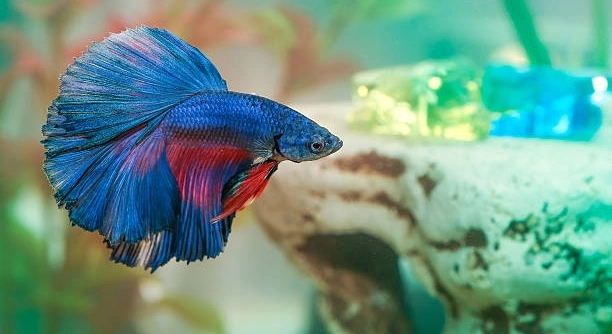
Aggressive behavior in betta fish can be frustrating for any aquarium owner. These beautiful creatures may become territorial or even hostile towards tank mates. Knowing how to handle such aggression can help maintain a peaceful tank environment.
To manage aggressive betta fish, it’s important to identify the triggers and respond with strategic adjustments. Methods include providing adequate space, introducing hiding spots, controlling water parameters, and ensuring compatibility with tank mates to reduce stress and conflict.
With these strategies in mind, you’ll be better prepared to manage your betta’s aggression and create a calm and healthy aquarium.
1. Giving Your Betta Enough Space
Betta fish are naturally territorial, and they need their own space to feel secure. When placed in a tank that’s too small, they can become stressed and aggressive, especially when they perceive other fish as competition. A tank of at least 5 gallons is ideal for a single betta. If you keep multiple bettas, you need to divide the tank or use separate tanks to prevent constant conflict. Make sure the aquarium has plenty of swimming space without overcrowding.
If your betta is in a smaller tank, it’s time to consider upgrading to something bigger. Even though they don’t need excessive space, providing them with room will allow them to feel less stressed and more at ease. Having extra space will also help reduce the chances of fights between tank mates.
The more space your betta has, the calmer it will be. A larger tank gives you more options for decorations, which can also serve as hiding spots to keep your fish comfortable and help reduce territorial aggression. Simply put, space is one of the most important factors in keeping your betta peaceful.
2. Providing Hiding Spots
Betta fish can be aggressive when they feel exposed or threatened. Adding decorations like caves, plants, or rocks to their tank will create hiding spots where they can retreat when feeling stressed.
These hiding places help your betta feel secure, giving it a chance to cool down. When your betta feels safe, it is less likely to act aggressively toward other fish. Keep the hiding spots varied so that your betta has plenty of places to hide and relax.
Adding plants and rocks also benefits the overall tank environment. They improve water quality by offering surfaces for beneficial bacteria to grow. Additionally, they give your betta the opportunity to swim around and explore without feeling constantly on edge. This simple addition can go a long way in reducing aggression.
3. Avoid Overcrowding the Tank
When a tank is overcrowded, it can cause a lot of stress for your betta, making it more prone to aggression. Ensure you don’t overcrowd your tank with too many fish, as this can lead to territorial disputes. Keep the number of tank mates to a minimum.
Overcrowding creates competition for food and space, both of which contribute to stress. Bettas will try to defend their territory aggressively, and this can lead to fights, especially if they feel their space is being invaded. Keeping the tank at a manageable size prevents this kind of stress.
The best way to avoid overcrowding is to plan your tank setup in advance. Make sure that the tank has enough space for the fish to coexist peacefully. For a single betta, no more than a few other fish should be kept together in a tank of 10 gallons or more.
4. Maintaining Proper Water Conditions
Bettas are sensitive to water quality, and poor conditions can trigger stress, making them more aggressive. It’s essential to keep the water temperature between 76-82°F and the pH level slightly acidic, around 6.5-7.5.
Poor water quality causes discomfort and agitation, leading to behavior issues like aggression. You should regularly check water parameters such as ammonia, nitrites, and nitrates. Having a good filtration system can help maintain clean water, reducing the chances of illness and aggression. Regular water changes are also important for keeping the tank environment stable.
To ensure your betta stays calm, invest in a reliable water testing kit. Keep an eye on these levels and clean the tank weekly to ensure the environment remains healthy. When your betta feels comfortable in its water, aggression tends to reduce, and your fish will be more content overall.
5. Choosing Tank Mates Carefully
Betta fish can be very territorial, so choosing compatible tank mates is important. Avoid keeping other male bettas together, as they will fight. Similarly, avoid fish with long, flowing fins that might trigger the betta’s aggression.
Certain species of fish are more likely to get along with bettas. Choose peaceful species that won’t threaten the betta’s territory. Consider fish like neon tetras or Corydoras catfish, which stay out of the betta’s way and help maintain a peaceful atmosphere.
Make sure the fish you choose are not overly active or aggressive. It’s also a good idea to monitor the tank closely after adding new tank mates, as even peaceful fish can sometimes trigger territorial aggression in a betta.
6. Proper Feeding Routine
A well-fed betta is less likely to act aggressively. Make sure you feed your betta a balanced diet, consisting of quality pellets, frozen food, or live food. Overfeeding can lead to health issues, so stick to a regular feeding schedule.
Feeding your betta at the same time each day creates a sense of routine. Consistency helps your betta feel secure and reduces the chances of aggressive behavior. Avoid overfeeding, as uneaten food can cause water quality problems, which in turn can stress out your fish.
7. Reducing Stress from Reflections
Betta fish can become agitated when they see their own reflection, believing it to be another betta. To prevent this, place decorations or plants to block their view of reflective surfaces, such as the tank walls.
Constant exposure to their own reflection can cause your betta to become territorial and aggressive, leading to unnecessary stress. By minimizing these reflections, your betta will have a more peaceful environment and won’t feel the need to defend its space constantly.
FAQ
What causes betta fish to become aggressive?
Betta fish are naturally territorial, especially males. They may act aggressively if they feel their space is being invaded or if there is competition for resources. Aggression is also triggered by poor water quality, overcrowding, or the presence of other male bettas or fish with similar colors and long fins. Bettas can also react aggressively when they see their own reflection in the tank glass.
How can I tell if my betta is aggressive?
Aggressive bettas usually display signs such as flaring their gills, spreading their fins, and swimming rapidly around their territory. They might also chase other fish, nip fins, or try to bite. If you notice these behaviors, it could indicate that your betta is feeling threatened or territorial.
Can bettas live with other fish?
Yes, but it depends on the other fish species. Bettas are not typically good tank mates for other males or fish with long fins, as they may see them as rivals. Peaceful species such as neon tetras, Corydoras catfish, or snails are generally compatible with bettas. It’s crucial to observe their behavior after introducing new tank mates to ensure they get along.
How do I reduce aggression in my betta?
Reducing aggression involves addressing several factors. First, ensure your betta has enough space in the tank, ideally 5 gallons or more. Adding hiding spots and decorations can also help by giving your betta places to retreat and feel safe. Maintain proper water conditions and avoid overcrowding. Lastly, limit exposure to other fish that might trigger territorial instincts.
Can female bettas be aggressive too?
Yes, female bettas can be aggressive, though generally less so than males. They may become territorial and show aggression toward other females, especially in smaller tanks or when they feel overcrowded. It’s best to keep females alone or in groups of at least 5 individuals in a large tank to spread out territorial behavior.
How can I calm my betta fish down?
To calm your betta, consider reducing stress by ensuring a clean, properly maintained tank with stable water conditions. Add plants or other decorations to provide hiding spots. Minimize exposure to other fish that may stress your betta out, and avoid placing the tank in a high-traffic area.
Is it normal for bettas to flare their fins?
Yes, it is normal for bettas to flare their fins. They flare their fins to display dominance or when they feel threatened. This behavior is common when bettas see other fish, their reflection, or when they are trying to establish territory. While it’s normal, frequent or prolonged flaring could indicate stress or aggression.
Can bettas be trained?
Bettas can be trained to perform simple tricks, such as following your finger, jumping through hoops, or swimming through tunnels. Training a betta requires patience, positive reinforcement, and consistency. It’s important not to stress them out during the training process. Use food as a reward, and keep training sessions short.
What should I do if my betta is fighting with other fish?
If your betta is fighting, immediately separate it from the other fish. You can do this by placing it in a separate tank or using a divider. If the fighting is due to tankmates, reassess their compatibility and consider finding a new arrangement to reduce stress and aggression. If necessary, isolate the betta until it calms down.
How often should I change my betta’s water?
Betta fish require clean water, so regular water changes are essential for their health. A 25-50% water change once a week is recommended for a tank that is properly filtered. If your betta is in a smaller tank, more frequent changes may be necessary to keep the water quality high.
Can I add other male bettas to the tank?
No, male bettas should never be kept together. They are extremely territorial and will fight to the death if housed in the same space. It’s best to only keep one male betta per tank, though you can keep multiple females if the tank is large enough and has plenty of hiding spaces.
How do I know if my betta is stressed?
A stressed betta may show signs like rapid swimming, hiding constantly, lack of appetite, or clamped fins. They may also exhibit aggression or lethargy. Stress can be caused by poor water conditions, overcrowding, incompatible tank mates, or frequent changes in the environment. If your betta shows signs of stress, try adjusting its tank conditions to help it feel more comfortable.
Why is my betta chasing other fish?
Chasing is usually a sign of territorial behavior. Betta fish are naturally aggressive towards other fish that come too close to their territory. They may chase other fish to assert dominance or keep them away from their space. If this behavior is frequent or severe, you may need to reassess the tank setup to prevent further conflict.
Can I use a tank divider to separate aggressive bettas?
Yes, a tank divider is a useful tool to separate aggressive bettas in a shared tank. It prevents them from coming into direct contact with each other while still allowing them to see each other, which can help reduce the territorial behavior. Be sure the divider is sturdy and does not create gaps where the fish can slip through.
How can I tell if my betta is happy?
A happy betta will swim actively, explore the tank, and show vibrant colors. Healthy bettas are curious, often interacting with their environment. They will eat regularly, and their fins will remain open and not clamped. A relaxed betta is less likely to be aggressive and more likely to display peaceful behavior.
Do bettas get along with other species of fish?
Bettas can live with other species, but compatibility depends on the type of fish. Peaceful fish, like tetras or shrimp, are usually safe. However, species with long fins or vibrant colors may provoke aggression. Always research fish species before adding them to the tank to ensure they won’t trigger aggression.
Final Thoughts
Managing an aggressive betta fish can be challenging, but with the right approach, it’s possible to create a peaceful tank environment. Understanding what triggers aggression, such as territorial behavior, overcrowding, or poor water conditions, is the first step toward reducing conflict. By making simple adjustments to their habitat, such as increasing tank size, adding hiding spots, or choosing compatible tank mates, you can help minimize aggression and improve the overall well-being of your betta.
Providing enough space for your betta is crucial. These fish are naturally territorial, and having too little room can lead to stress and aggression. It’s recommended to house a single betta in a tank of at least 5 gallons. Additionally, using plants, rocks, or other decorations not only creates hiding spots but also gives your betta a sense of security. When your betta feels safe, it’s less likely to display aggressive behavior. Proper water maintenance, such as regular water changes and keeping the water temperature stable, also plays a significant role in their mood and behavior.
Lastly, understanding your betta’s personality is key. Some bettas may naturally be more aggressive than others, while some might be calmer. By monitoring their behavior and being patient, you can better manage their aggression and prevent potential issues. It’s important to take time and experiment with different tank setups, food routines, and tank mates to see what works best for your betta. With careful attention and a little effort, you can ensure your betta remains happy and peaceful in its environment.

Hello,
If you enjoy the content that we create, please consider saying a "Thank You!" by leaving a tip.
Every little bit helps us continue crafting quality advice that supports the health, happiness, and well-being of pets around the world, for pets of all shapes, sizes, and species.
We really appreciate the kindness and support that you show us!