
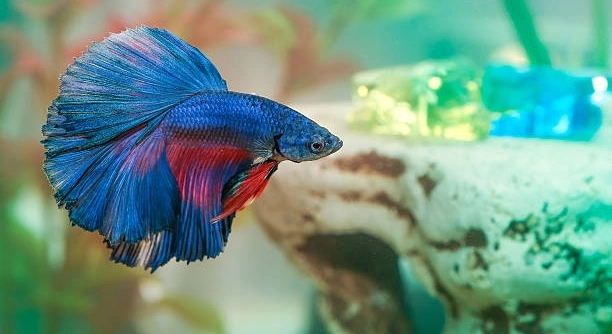
Betta fish are vibrant and active pets that require the right nutrition to thrive. Their diet plays a crucial role in keeping them healthy and happy in their aquatic homes. Choosing the right food is essential for their well-being.
The best foods for Betta fish include high-quality pellets, frozen or live foods like brine shrimp and bloodworms, and occasional plant-based options. These provide a balanced mix of protein, vitamins, and nutrients, essential for their growth and vibrant colors.
By selecting the right foods, you ensure that your Betta fish remains strong and colorful, while also supporting its overall health.
High-Quality Pellets for Bettas
A reliable staple in your Betta’s diet, high-quality pellets are designed specifically for Betta fish. These pellets are packed with the right balance of proteins, fats, and essential nutrients. The small size ensures easy consumption, while the ingredients support their immune system, digestion, and overall health.
Many pellet brands contain added vitamins and minerals that promote vibrant colors and healthy growth. Pellets should be fed sparingly, as overfeeding can lead to water quality issues and obesity in Bettas. It’s important to choose pellets that don’t include fillers or low-quality ingredients, which can harm your fish over time.
For the best results, feed your Betta a variety of high-quality pellets in moderation. Rotating between different brands or types ensures a well-rounded diet and prevents nutritional gaps. Combining pellets with live or frozen foods will provide a balanced nutritional profile, keeping your Betta happy and healthy.
Live and Frozen Foods
Frozen or live foods, such as brine shrimp and bloodworms, are highly nutritious and favored by Bettas. These foods provide excellent protein and natural fats.
Brine shrimp and bloodworms mimic the Betta’s natural diet, offering essential nutrients like amino acids, which enhance their muscle and fin development. Be sure to choose high-quality frozen options and avoid overfeeding, as it may lead to digestive issues.
Betta Fish Flakes
Flakes are another common food option for Betta fish, though they aren’t as nutritionally dense as pellets or live foods. They are easy to feed and store but may lack essential nutrients. When using flakes, look for those formulated specifically for Bettas to avoid filler ingredients.
Flakes should be fed in small amounts to prevent overfeeding and water contamination. Bettas are surface feeders, so flakes float, making them a convenient choice. However, they tend to lose their nutritional value when exposed to water. Ensure the flakes are fresh and provide the necessary vitamins and minerals.
A varied diet is key, so while flakes can be a quick option, they shouldn’t be the mainstay of a Betta’s nutrition. Mixing flakes with live or frozen foods will ensure your Betta gets the protein, fats, and other nutrients it needs for health and vibrancy.
Plant-Based Foods
While Betta fish are primarily carnivores, plant-based foods can occasionally be included in their diet. These foods provide fiber and essential micronutrients.
Spinach, peas, and algae wafers are good choices. Offer them sparingly, as too much plant matter can disrupt the digestive balance. Over time, these additions help diversify their diet and promote digestive health.
Live Foods: Mysis Shrimp
Mysis shrimp are small, protein-rich crustaceans that are an excellent food source for Betta fish. They are highly nutritious and mimic the Betta’s natural diet in the wild. Live mysis shrimp can be more stimulating for Bettas, promoting healthy feeding behavior.
Mysis shrimp are available frozen or live, though live shrimp are more expensive and harder to maintain. Frozen mysis shrimp are a more convenient option but still provide similar nutritional benefits. Ensure the shrimp are thawed properly before feeding to avoid water contamination. They offer a great supplement to the Betta’s usual diet.
Brine Shrimp Eggs
Brine shrimp eggs can be hatched and fed to your Betta as a live snack. These tiny creatures are rich in proteins and fatty acids, providing essential nutrients.
Hatching your own brine shrimp allows you to feed your Betta fresh, live food, which can enhance its color and vitality. Ensure proper care in maintaining the brine shrimp hatchery for consistent supply.
FAQ
What are the best foods for Betta fish?
The best foods for Betta fish include high-quality pellets, frozen or live foods like brine shrimp, bloodworms, and occasional plant-based options. These provide a balanced mix of proteins, fats, and essential nutrients, promoting overall health and vibrant colors. It’s important to avoid foods with fillers and low-quality ingredients.
How often should I feed my Betta fish?
Betta fish should be fed once or twice a day, with only what they can consume in about 2-3 minutes. Overfeeding can lead to water contamination and obesity, while underfeeding can cause malnutrition. It’s best to monitor their eating habits and adjust portions accordingly to keep them healthy.
Can I feed my Betta fish vegetables?
Yes, Betta fish can have occasional plant-based foods like peas, spinach, or algae wafers. While they are primarily carnivores, small amounts of vegetables can provide fiber and help with digestion. Only offer vegetables sparingly to avoid disrupting their nutritional balance.
Is it okay to feed Betta fish only pellets?
While high-quality pellets provide a good foundation for a Betta’s diet, it’s important to offer variety. Relying solely on pellets can lead to nutritional deficiencies. Incorporating live or frozen foods, like brine shrimp or bloodworms, will ensure your Betta gets a more balanced and diverse diet.
Should I feed my Betta fish live food?
Live food, such as brine shrimp or bloodworms, can be a great addition to your Betta’s diet. These foods are highly nutritious and can encourage natural hunting behaviors. However, live food can be more difficult to maintain and should be given occasionally as a supplement to their regular diet.
Can Betta fish eat goldfish food?
Betta fish should not be fed goldfish food regularly. Goldfish food is designed for omnivores and doesn’t meet the specific nutritional needs of Betta fish. Bettas require a high-protein diet, which is best provided by pellets, live food, and frozen options designed for them.
What should I do if my Betta fish isn’t eating?
If your Betta isn’t eating, check the water quality, as poor water conditions can stress the fish. Ensure that the water temperature is within the appropriate range (76-82°F). Also, try offering different food options, as Betta fish can sometimes become picky. If the issue persists, consult a vet.
Can Betta fish eat frozen food?
Frozen food, such as bloodworms, brine shrimp, and daphnia, is an excellent option for Betta fish. It’s packed with nutrients and can be offered as a treat or supplement to their regular diet. Make sure to thaw the food before feeding to avoid contaminating the water.
How do I know if I’m overfeeding my Betta fish?
Signs of overfeeding include uneaten food in the tank, cloudy water, and your Betta becoming lethargic or gaining excess weight. Bettas will often eat whatever is given to them, so it’s important to only feed small portions that they can finish in a few minutes. Adjust feeding habits if you notice these signs.
Can Betta fish eat mosquito larvae?
Yes, Betta fish can eat mosquito larvae. These are a natural food source for Bettas and are rich in protein. If you have a source for mosquito larvae, you can feed them to your Betta, but ensure they come from a clean, untreated environment to avoid any potential contaminants.
Is it okay to feed my Betta fish tubifex worms?
Tubifex worms can be fed to Betta fish in moderation. They are high in protein but can sometimes carry bacteria or parasites if not properly sourced. Make sure to buy them from reputable suppliers and rinse them thoroughly before feeding to your Betta.
What is the best temperature for Betta fish food?
Betta fish food should be stored in a cool, dry place away from direct sunlight. Freezing or refrigerating live or frozen foods will help maintain their nutritional value. Always make sure that the food is thawed to room temperature before feeding it to your Betta.
Can Betta fish eat shrimp?
Yes, Betta fish can eat shrimp, particularly brine shrimp and other small freshwater shrimp. These are a high-protein option that Betta fish enjoy. However, avoid feeding large shrimp, as they may be too tough or large for your Betta to consume.
How long can Betta fish go without food?
Betta fish can survive without food for 2-3 days, though this isn’t recommended. Extended periods without food can cause stress and weaken their immune system. If you’re going away, ask someone to feed your Betta or use an automatic feeder to ensure they’re properly nourished.
Is it safe to feed Betta fish freeze-dried food?
Freeze-dried food can be fed to Betta fish, but it should only be an occasional treat. While it retains most of the nutrients from fresh foods, freeze-drying can reduce the food’s overall nutritional value. Be sure to rehydrate freeze-dried foods before feeding and use them sparingly.
Can I feed my Betta fish worms from outside?
Feeding your Betta worms from outside is not recommended unless you’re sure they are safe and free from pesticides or parasites. It’s safer to buy worms from pet stores or reputable sources. Outdoor worms could expose your Betta to harmful substances.
Can Betta fish eat bloodworms daily?
Bloodworms are a great protein source for Betta fish but should not be fed daily. Offering bloodworms 2-3 times a week is sufficient, as overfeeding them can lead to digestive issues or an unbalanced diet. It’s best to offer variety in your Betta’s diet for optimal health.
Final Thoughts
Feeding your Betta fish the right food is crucial for their health and happiness. A varied diet of high-quality pellets, live or frozen foods, and occasional vegetables will provide the necessary nutrients for your Betta to thrive. It’s essential to focus on proteins, as they are the main nutritional need for these fish. By offering a balanced diet, you can help your Betta maintain vibrant colors, good health, and active behavior. Keeping their diet varied will also prevent boredom and encourage natural feeding behaviors.
Overfeeding is one of the most common mistakes Betta owners make. While it can be tempting to give your Betta more food, it’s important to only feed what they can eat in a few minutes. Excess food can lead to water quality issues and cause health problems for your Betta. The best practice is to feed them small portions once or twice a day and remove any uneaten food promptly. Keeping the water clean and feeding in moderation is key to a healthy Betta.
Incorporating live foods like brine shrimp or bloodworms, along with high-quality pellets, can enhance your Betta’s diet. However, it’s important to avoid relying too heavily on one type of food. A variety of foods will ensure your Betta gets all the nutrients they need. If you notice any changes in your Betta’s eating habits or health, consult a vet for advice. Proper nutrition, along with clean water and a stress-free environment, is essential for a long, healthy life for your Betta fish.

Hello,
If you enjoy the content that we create, please consider saying a "Thank You!" by leaving a tip.
Every little bit helps us continue crafting quality advice that supports the health, happiness, and well-being of pets around the world, for pets of all shapes, sizes, and species.
We really appreciate the kindness and support that you show us!