
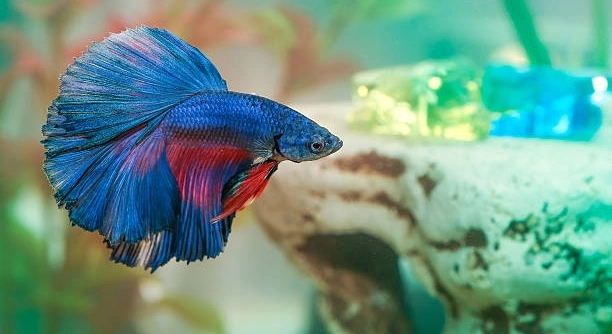
Betta fish are a popular pet for many fish lovers. Over time, these beautiful creatures may show signs of aging. It’s essential to recognize when your betta is growing older to ensure they receive the proper care they need.
Betta fish usually live for about 3 to 5 years, but like all living creatures, they show signs of aging. A change in behavior, appearance, and health can indicate that your betta is getting older and may need adjustments in care.
There are several signs to look out for when determining if your betta fish is aging. Keeping an eye on these changes will help you ensure your fish remains comfortable and healthy.
1. Slower Movement and Less Activity
As bettas age, they become less active than when they were younger. If your betta seems to swim slowly or stays in one spot more often, it may be a sign of aging. Young bettas are known for being energetic and darting around their tank, so a noticeable decline in activity can indicate their age.
Older bettas may also become less interested in interacting with their surroundings, such as plants, decorations, or even food. This lack of movement can affect their overall health. It’s important to ensure that your betta is still comfortable and not stressed, as an older fish may need more gentle care.
If your betta has become less mobile, it is important to observe other signs as well. Sometimes, their slowing down is due to a health issue rather than age. Regular water changes and maintaining a healthy environment can help keep your betta more active. If their lack of activity continues, you may need to consult a vet.
2. Dull or Faded Colors
As your betta gets older, its vibrant colors may start to fade. While changes in color can happen for various reasons, aging is one factor that often contributes to this. Betta fish, particularly those with bright hues, can lose some of their color intensity as they age.
Aging bettas may also experience changes in their scales or develop a more muted look. If your betta’s bright red, blue, or other bold colors begin to turn more dull or pale, it could be a sign of aging or a decrease in their overall health.
Color changes happen gradually over time and can also be influenced by stress or poor water quality. Aging bettas may experience less vivid colors due to slower metabolic processes and a decline in the production of pigments. To support your betta, try maintaining a clean environment and feeding them a high-quality diet. However, be aware that some color fading is natural for older fish.
3. Changes in Appetite
As bettas grow older, they may lose interest in food or eat less frequently. This is a common sign of aging. Betta fish that were once eager to eat may now seem more selective or uninterested in their meals.
A decrease in appetite could also be a result of slower metabolism, which is normal as they age. While it’s okay for older bettas to eat less, it’s important to monitor their health. If your betta refuses food for more than a day or shows signs of weakness, you may need to offer different foods or consider adjusting their diet.
A consistent lack of appetite can lead to health issues like weight loss and weakness. Offering high-quality food and adjusting feeding times may help. However, if your betta’s appetite doesn’t improve, it’s important to check their water quality and overall environment for any stressors. If the problem persists, a visit to a vet might be necessary.
4. Cloudy Eyes or Vision Problems
Older bettas can develop cloudy or clouded eyes as they age, which is a sign that their vision might be deteriorating. If your betta seems to bump into objects or appears less aware of their surroundings, it could be due to impaired eyesight.
The cloudiness is typically the result of aging, but it can also indicate a health issue like infection. If your betta seems confused or disoriented, their vision may be affected. Ensuring the water is clean and the environment is free from irritants can help prevent further issues.
If you notice cloudy eyes or behavioral changes in your betta, it is a good idea to improve the quality of their water and diet. Regular maintenance can prevent further decline in their vision. If their condition worsens, seeking advice from a vet could provide better insight and care options.
5. Changes in Behavior
As bettas age, they may exhibit behavior changes. They might become more reclusive or less playful than they were in their younger years. This shift is often due to reduced energy levels or possible health issues.
Older bettas may also act more lethargic or avoid interaction with their tank mates. They could spend more time resting at the bottom of the tank or near the surface, and might not show as much interest in their environment. Keeping track of these behavior shifts can help you monitor their overall health.
6. Loss of Fin and Tail Condition
With age, bettas may begin to lose the vibrant, full appearance of their fins and tails. You might notice that their fins appear thinner, ragged, or less colorful than before.
This can be a natural aging process, but sometimes, fin issues can also be a result of poor water quality, stress, or illness. It’s important to regularly clean their tank and keep water parameters in check. If the fin condition worsens or becomes infected, treating the issue immediately will help avoid further complications.
7. Decreased Lifespan
Bettas typically live for around 3 to 5 years, and as they age, you may notice a general decline in their health. Their activity levels will drop, and they may experience more frequent illnesses.
You should keep an eye on any changes in their behavior, appearance, and eating habits. While aging is inevitable, maintaining good water quality and a balanced diet can help your betta live a longer, healthier life. However, it’s important to recognize that all living creatures have a natural lifespan, and age-related decline is part of the process.
FAQ
How can I tell if my betta fish is sick or just old?
It can be hard to distinguish between old age and illness in bettas, as some signs overlap. Aging bettas may show slower movement, faded colors, and reduced activity. Illness, on the other hand, may cause abnormal swimming patterns, loss of appetite, and visible signs of illness like lesions or bloating. The key difference is that old age typically leads to more gradual changes, while illness can cause more sudden and noticeable symptoms. If you’re unsure, it’s always best to monitor your betta closely and consult a vet if needed.
Should I change my betta’s diet as they age?
As bettas age, their metabolism slows down, so they might not need as much food as they did when they were younger. It’s important to feed them high-quality food, but be mindful of their appetite and adjust portion sizes accordingly. Offering smaller, more frequent meals can be beneficial. Avoid overfeeding, as older bettas may not digest food as efficiently, and excessive food can lead to water quality problems. Additionally, consider incorporating more nutrient-rich food, like frozen or live food, to support their health.
What kind of water quality is best for older bettas?
Water quality is always important for bettas, but it becomes even more critical as they age. Older bettas may be more sensitive to changes in water conditions. Regular water changes, maintaining the right temperature, and ensuring your filter works properly are essential. Older bettas might also be more prone to stress, which can worsen if the water is polluted or the tank environment is unstable. Aim to keep the water clean, clear, and within the optimal range (pH 6.5-7.5, temperature 76-80°F). Regular water testing can help ensure the best environment for aging bettas.
Why is my betta’s color fading?
Fading colors in older bettas are typically due to natural aging, as their skin and scales may lose pigmentation over time. However, fading could also be a sign of poor water quality, stress, or illness. If your betta’s colors are fading rapidly or there are other symptoms like lethargy or loss of appetite, it’s worth investigating their environment and health further. A balanced diet, clean water, and proper tank conditions can help maintain their color for longer, but some fading is natural as they age.
Can old betta fish live with other fish?
As bettas age, they may become more territorial or less tolerant of other fish. Younger bettas are often more active and social, but older bettas may prefer solitude or become more aggressive. It’s important to observe their behavior closely to determine if they are still comfortable living with other fish. If your betta shows signs of aggression, it may be best to keep them in a tank alone. If they coexist peacefully, ensure the tank mates are peaceful and non-aggressive to avoid stress on your betta.
What should I do if my betta becomes lethargic?
Lethargy in bettas can indicate many things, such as illness, poor water quality, or old age. If your betta is older, some lethargy may be normal as they slow down, but if the lethargy is sudden or severe, it could be a sign of a health problem. First, check the water quality to ensure it’s optimal, then observe your betta for other signs of illness, such as loss of appetite or abnormal swimming. If the lethargy persists or worsens, it’s a good idea to seek advice from a vet.
How can I make my betta more comfortable as they age?
To make your aging betta more comfortable, focus on creating a stress-free environment. Keep their tank clean and well-maintained, with the right water temperature and pH level. Reduce loud noises or sudden movements around the tank, as older bettas may be more sensitive to stress. You can also add soft decorations or plants where they can hide to feel secure. Offering a variety of high-quality food and feeding smaller portions can help meet their changing needs. Finally, observe them closely for any signs of discomfort or illness so you can act quickly if needed.
Is it normal for older bettas to lose their appetite?
Yes, it is normal for older bettas to lose some of their appetite. As they age, their metabolism slows down, and they may not be as interested in eating as they were in their younger years. However, it’s important to ensure they are still eating enough to maintain their health. If your betta refuses food for more than a day or shows signs of weight loss or weakness, you should check their water quality and tank conditions. Sometimes, offering different types of food or reducing portion sizes can help stimulate their appetite.
How do I know if my betta is nearing the end of its life?
When a betta is nearing the end of its life, you might notice a combination of signs, including severe lethargy, loss of appetite, fading colors, and difficulty swimming. They may also show physical signs such as fin damage, cloudy eyes, or even skin lesions. As bettas age, their immune systems weaken, so they may become more susceptible to illnesses. While these signs can indicate old age, it’s important to ensure they are not caused by illness or poor water quality. Monitoring your betta closely will help you make informed decisions about their care during their final days.
Can I prevent my betta from aging prematurely?
While you can’t stop the natural aging process, you can help your betta live a longer, healthier life by maintaining excellent water quality, feeding them a nutritious diet, and minimizing stress. Keeping your betta in a well-maintained tank with stable water conditions can help reduce the risk of diseases and infections that might shorten their lifespan. Regular water changes, good filtration, and a varied diet are key components of keeping your betta healthy throughout their life. Although old age is inevitable, providing the best care can help them age gracefully.
Final Thoughts
As bettas age, they naturally undergo several changes, both physically and behaviorally. Their activity levels may decrease, they may become more reclusive, and their colors might fade. These changes can be hard to notice at first, but with careful observation, you can tell when your betta is getting older. It’s important to understand that many of these changes are simply part of the natural aging process. While it may be difficult to watch your betta grow older, providing a healthy environment and good care can make their senior years more comfortable.
In addition to these physical and behavioral changes, the care your betta requires will also shift over time. Older bettas tend to need more frequent water changes, a carefully balanced diet, and a peaceful, stable environment. They might also need more attention to ensure they are not stressed. It’s essential to keep their tank clean, monitor their appetite, and be aware of any signs of illness. Changes in appetite, activity, and behavior should be closely monitored, as they could indicate that something is wrong. Keeping their environment as stress-free as possible can help them live comfortably, even as they grow older.
Ultimately, knowing how to care for an aging betta is about being attentive and patient. With proper care, bettas can live out their senior years peacefully. It’s important to be prepared for these changes and to make adjustments as needed. While they might not be as active as they once were, they still require love and attention. By providing the best care, you can help ensure that your betta enjoys its final years with as much comfort and happiness as possible.

Hello,
If you enjoy the content that we create, please consider saying a "Thank You!" by leaving a tip.
Every little bit helps us continue crafting quality advice that supports the health, happiness, and well-being of pets around the world, for pets of all shapes, sizes, and species.
We really appreciate the kindness and support that you show us!