
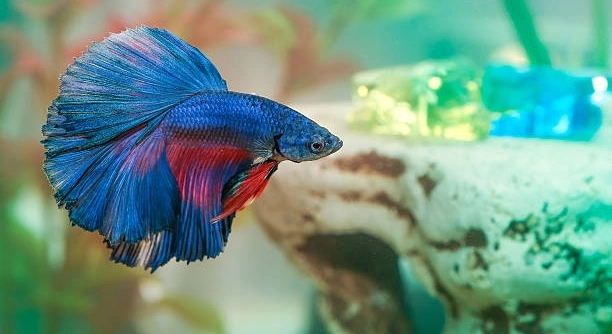
Betta fish are known for their unique behaviors and personalities. However, if you’ve noticed your Betta avoiding the edges of its tank, it may leave you wondering why this happens. Understanding their behavior can help.
Betta fish may avoid the edges of their tank due to a variety of factors, such as stress, territorial instincts, or a lack of adequate space. They may feel safer in the middle of the tank or be sensitive to changes in their environment.
Recognizing the reasons behind your Betta’s behavior can guide you in creating a more comfortable environment. Understanding these factors will improve your fish’s well-being and help you provide the best care possible.
Betta Fish Stress and Environment
Stress is one of the main reasons your Betta may avoid the tank’s edges. Changes in their environment, such as sudden movements, loud noises, or new tank mates, can create anxiety. Bettas are sensitive to changes in their surroundings and may seek refuge in the center of the tank where they feel more secure. It’s important to monitor any factors that could be causing stress, such as water quality, lighting, or overcrowding. Additionally, placing your Betta in a tank that’s too small can increase stress and make them feel confined. A larger tank can provide the necessary space for your Betta to swim and explore freely.
Sometimes, a Betta will also avoid the edges if they’re not feeling well. When they’re ill or stressed, they might look for places to hide. They tend to stay away from the edges as a way of minimizing movement, which conserves energy.
Creating a peaceful environment with a balanced ecosystem is essential for their health. This includes maintaining optimal water conditions, providing hiding spots, and offering enough space. A well-balanced tank environment can help reduce stress and improve your Betta’s overall behavior.
Tank Size and Space
The size of the tank plays a significant role in your Betta’s behavior. A cramped environment can lead to feelings of confinement, which may cause your Betta to avoid the tank’s edges. Bettas need room to swim comfortably and explore, which is essential for their well-being.
A tank that’s at least five gallons provides the necessary space for your Betta to move around and establish territory. Smaller tanks can create stress, making your Betta feel cornered. Avoid overcrowding and ensure that the tank includes places for them to hide, as well as swim freely without feeling trapped.
When Betta fish are placed in larger, properly-sized tanks, they generally feel more secure. They are less likely to avoid the edges, as they have ample room to roam. Consider also adding plants, decorations, or caves to make your Betta feel at home. The more enriched their environment, the better their behavior and overall health will be.
Territorial Behavior
Betta fish are naturally territorial, especially males. They may avoid the edges of the tank because they feel the need to guard their space. This instinct often leads them to swim in the middle, where they can keep an eye on their environment. If they feel their territory is being threatened, they may retreat to areas that offer them the most control.
Territorial behavior is common in Betta fish, and it’s an important aspect of their nature. When your Betta feels that its space is encroached upon, it can become stressed or defensive. This can lead to them avoiding certain areas of the tank, like the edges, as they try to establish boundaries. Bettas are known to react aggressively to reflections, which could be a factor in their behavior. They may see their reflection in the glass and interpret it as a rival, pushing them away from the tank edges.
It’s important to create a tank environment where your Betta can feel safe. You can achieve this by providing plenty of hiding spots, like plants or caves, which allow them to retreat when they feel threatened. If possible, avoid placing mirrors or other reflective surfaces near the tank to reduce territorial stress.
Water Quality and Temperature
Water quality is a key factor in the health of your Betta. Poor water conditions can lead to stress, which may cause your Betta to avoid the tank’s edges. High ammonia levels, fluctuating pH, or dirty water can make your Betta feel unsafe.
Keeping the water clean is essential for your Betta’s well-being. Perform regular water changes, at least 25% every week, to maintain optimal water quality. Bettas are sensitive to temperature, so ensure that the water temperature stays between 76-81°F. Consistency in both water quality and temperature can reduce stress and help your Betta feel more secure in its environment. If the water feels too cold or dirty, your Betta may avoid certain parts of the tank in search of cleaner, warmer areas.
Additionally, make sure the filtration system doesn’t create strong currents. Betta fish prefer calm waters, so excessive water flow can contribute to their unease, making them steer clear of certain areas like the tank’s edges. Balancing water conditions will create a more comfortable environment for your Betta.
Lighting and Tank Setup
Lighting plays a major role in your Betta’s behavior. Bright, harsh lights can create stress, causing your Betta to avoid the edges of the tank. They prefer soft, natural lighting, which helps them feel comfortable and secure in their environment.
If the tank lighting is too bright, your Betta may seek darker areas, often away from the edges. Bettas are naturally nocturnal to some extent, and they tend to feel safer in low light. Consider using a dimmer light or providing places for them to hide from intense lighting.
Tankmates and Interaction
Introducing tankmates can be tricky. Bettas are solitary creatures and can react negatively to the presence of other fish, especially if they feel their space is threatened. This may lead them to avoid the tank’s edges, trying to establish more control over their space.
When adding tankmates, it’s important to choose species that are calm and not likely to provoke your Betta. Tankmates should be non-aggressive and should not crowd the Betta’s space. Keeping the tank environment peaceful can encourage your Betta to explore all areas of the tank, including the edges.
Tank Maintenance
Regular tank maintenance is crucial for your Betta’s health and comfort. A dirty tank can lead to stress and cause your Betta to avoid certain areas, including the edges. Maintaining good water quality, cleanliness, and removing debris will help keep your Betta happy.
FAQ
Why is my Betta hiding in the corner of the tank?
A Betta hiding in the corner of the tank could be experiencing stress or illness. They may retreat to this area to avoid feeling exposed or threatened. Ensure the water quality is optimal and check if there are any changes in their environment that could be causing discomfort. Additionally, make sure the tank isn’t overcrowded and that your Betta has hiding spots to feel secure. If the behavior continues, monitor for signs of illness and consider seeking advice from a vet experienced with fish.
Can Betta fish live with other fish?
Betta fish are generally territorial and can be aggressive, especially towards other males. It’s important to be cautious when introducing them to tankmates. Peaceful species like snails, shrimp, or other non-aggressive fish may work. Avoid placing Betta fish with fin-nippers or similar-looking fish, as they may trigger aggression. Keep in mind that even with the right tankmates, Bettas need enough space to establish their territory and feel secure.
How do I know if my Betta is stressed?
Stress in Betta fish can manifest in various ways, such as hiding, rapid gill movement, or changes in behavior. They may swim erratically, float at the surface, or avoid certain parts of the tank. Stress can also be caused by poor water quality, inadequate tank size, or aggressive tankmates. If you notice these signs, check the water temperature, pH, and ammonia levels, and ensure the tank is clean. Consider adjusting the environment to reduce stress and allow your Betta to feel more comfortable.
What can I do to help my Betta feel more comfortable in its tank?
To help your Betta feel more comfortable, provide plenty of hiding spots and plants for them to explore. A tank that’s too small or overcrowded can cause stress, so aim for at least a 5-gallon tank. Keep the water clean and maintain the proper temperature, which should be between 76-81°F. Avoid using bright lights or placing mirrors near the tank. Creating a calm, peaceful environment will encourage your Betta to explore the tank more freely.
How often should I clean my Betta’s tank?
Regular tank maintenance is crucial for your Betta’s health. You should perform partial water changes of around 25% every week to maintain good water quality. In addition to water changes, clean the tank’s decorations, substrate, and filter to remove any buildup of waste or debris. Avoid over-cleaning, as it can disrupt the beneficial bacteria in the tank. Keeping the tank clean will reduce stress and create a healthier environment for your Betta.
Why is my Betta swimming in circles?
If your Betta is swimming in circles, it may be displaying signs of stress, boredom, or health issues. A lack of stimulation or inadequate tank conditions can lead to repetitive swimming patterns. Ensure that the tank size is sufficient, and provide enriching activities like plants or decorations to keep your Betta engaged. If the behavior continues, check for signs of illness, such as lethargy or a change in appetite, and consider seeking professional advice.
Is my Betta avoiding the edges because of a reflection?
Bettas can be territorial and may react to their reflection in the glass, thinking it’s another Betta. This could cause them to avoid the edges of the tank, especially if they feel threatened by the perceived rival. To reduce this behavior, you can cover the tank’s sides with paper or place decorations that block the reflection. Additionally, ensure the tank has plenty of hiding spots where your Betta can retreat if they feel threatened.
How do I know if my Betta is sick?
Signs of illness in Betta fish include a loss of appetite, lethargy, faded colors, or unusual swimming patterns. You may also notice physical symptoms such as spots, lesions, or swollen areas. If your Betta exhibits any of these symptoms, it’s important to check water conditions and consult a vet if necessary. Many Betta illnesses, such as fin rot or velvet disease, can be treated with proper care, but early intervention is key to preventing further complications.
Can Betta fish live in a tank without a filter?
While Betta fish can survive in a tank without a filter, it’s not ideal. A filter helps maintain water quality by removing toxins and waste that could harm your Betta. If you choose not to use a filter, you’ll need to perform more frequent water changes to ensure the tank stays clean. If using a filter, choose one with gentle flow, as Betta fish prefer calm water. Regular water testing is essential for maintaining a healthy environment.
Why is my Betta swimming upside down?
If your Betta is swimming upside down, it could be a sign of swim bladder disease. This condition affects the fish’s buoyancy and causes them to have difficulty staying upright. Swim bladder issues can result from overfeeding, constipation, or poor water conditions. To help your Betta, try fasting them for a day or two, and ensure they are fed a proper diet. If the problem persists, seek advice from a vet experienced with fish.
Final Thoughts
Betta fish can be sensitive creatures, and understanding their behavior is key to providing a happy and healthy environment. When your Betta avoids the edges of the tank, it can be a sign of stress, discomfort, or environmental factors that need to be adjusted. Lighting, tankmates, and tank maintenance all play a role in how your Betta behaves. By paying attention to these factors and ensuring your Betta’s tank is set up correctly, you can help reduce stress and allow your Betta to feel more secure. This will likely encourage them to explore the tank more freely.
It’s important to remember that Betta fish are naturally territorial and can be cautious creatures, especially when they feel threatened or unsettled. The edges of the tank, being more open and exposed, may feel unsafe for them. A few simple changes, such as adjusting lighting, adding plants or decorations, and ensuring their space is peaceful, can make a significant difference in their behavior. Regular water changes and checking the water parameters are also crucial in maintaining a safe environment. Each Betta fish is unique, so it may take some time to understand the specific needs of yours.
By observing your Betta and making the necessary adjustments to their environment, you can help create a space that encourages more comfortable and natural behavior. Whether it’s altering the lighting, improving the tank setup, or providing proper tankmates, small steps can lead to big improvements. Taking the time to ensure their comfort will contribute to their overall health and happiness. With a little attention to detail and care, your Betta will be able to live in an environment where they feel safe and secure.

Hello,
If you enjoy the content that we create, please consider saying a "Thank You!" by leaving a tip.
Every little bit helps us continue crafting quality advice that supports the health, happiness, and well-being of pets around the world, for pets of all shapes, sizes, and species.
We really appreciate the kindness and support that you show us!