
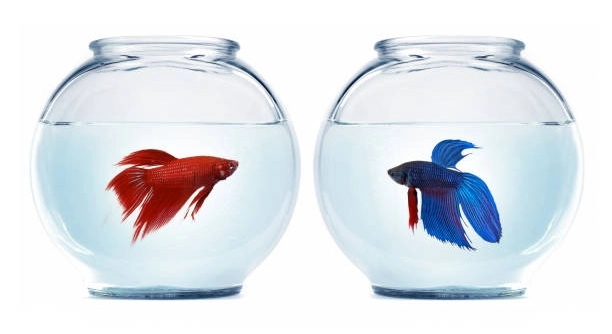
Betta fish require proper filtration to thrive in a healthy environment. Choosing the right filter ensures clear water and supports their well-being. A good aquarium filter can make a significant difference in maintaining a clean, thriving tank for your Betta.
The best aquarium filters for Betta fish are those that provide gentle water flow and efficient filtration. Filters with adjustable flow settings are ideal, as they prevent the water from becoming too turbulent while still maintaining cleanliness.
The right filter will help maintain a stable and healthy habitat for your Betta. Understanding how different filters work will ensure you select the best option for their needs.
Types of Aquarium Filters for Betta Fish
There are several types of aquarium filters available, each serving a specific purpose. The most common types include hang-on-back (HOB) filters, sponge filters, and internal filters. HOB filters are easy to install and maintain, offering excellent mechanical and biological filtration. Sponge filters are quieter and create less water flow, making them ideal for Betta fish, which prefer calm environments. Internal filters are compact and efficient, often placed inside the tank to provide good filtration without disrupting the water flow. Each filter type has its pros and cons, depending on the tank size and the Betta’s needs.
When selecting a filter, consider the flow rate and size of the aquarium. The wrong filter can create excessive water movement, which Betta fish find stressful. Choose one that is suitable for the tank size and offers a gentle current.
For Betta fish, a sponge filter is often the best option. It provides gentle filtration, ensuring the water remains clean without disturbing the Betta’s peaceful nature. Additionally, sponge filters promote biological filtration, which helps maintain healthy tank conditions.
Key Features to Look For
Before purchasing a filter, check for features like adjustable flow rates and filtration capabilities.
Filters with adjustable flow rates are highly recommended for Betta tanks, as they allow you to control the water flow. Too much movement can cause stress for Betta fish, making it essential to keep the flow gentle. Additionally, high-quality filters will remove debris, bacteria, and toxins, ensuring clean water and a healthy environment for your Betta.
Filter Flow Rate Considerations
The flow rate of a filter is crucial when selecting the right one for Betta fish. A filter with a high flow rate can create a current that is too strong for Betta fish, leading to stress. A gentle flow is more suitable, as it mimics their natural habitat.
To ensure the filter’s flow rate is appropriate, choose one with adjustable settings. Ideally, the flow rate should be less than 5 times the tank volume per hour for smaller Betta tanks. This provides adequate filtration without overwhelming the Betta. Always aim for a low flow to maintain a peaceful environment.
If the filter flow is too strong, use a flow baffle or a sponge on the intake to reduce turbulence. This helps in creating a calmer environment for the Betta while still keeping the water clean. Betta fish thrive in stiller water, so minimizing strong currents can promote a healthier, more comfortable habitat.
Maintenance and Cleaning of Filters
Regular maintenance is essential to ensure the filter works efficiently. Without proper care, filters can clog, causing poor water quality and potential harm to the Betta. Cleaning the filter every two to four weeks helps maintain optimal performance.
To clean the filter, disconnect it from the tank and rinse the filter media in water removed from the tank. Avoid using tap water, as it can harm beneficial bacteria. Ensure all parts, including the intake tube and pump, are free from debris. A clean filter will help prevent any buildup that could disrupt the tank’s ecosystem.
Regularly check the filter’s performance. If the filter is making unusual noises or not filtering effectively, it might be time for a replacement. Keeping an eye on the filter ensures your Betta always has clean, clear water to swim in.
Choosing the Right Filter Size
Filter size should match your Betta’s tank size. A filter that is too large can produce too much current, while one that’s too small won’t provide adequate filtration. Choose a filter that suits the tank’s water volume for efficient, safe water circulation.
Most filters will list the recommended tank size on the packaging. Ensure the filter you choose can handle the tank’s volume without creating turbulence. For smaller tanks, consider a filter designed for nano tanks, which provide gentle filtration without excessive water movement.
Filter Types for Smaller Tanks
For smaller Betta tanks, sponge filters and small internal filters are ideal. These filters are compact and provide gentle filtration, which is necessary for Betta fish. They also reduce the risk of disturbing your Betta’s calm swimming environment.
Sponge filters are particularly effective for small aquariums, offering both mechanical and biological filtration without disrupting the water. They are perfect for Betta fish as they ensure clean water with minimal current. Internal filters can also be used in smaller tanks, providing efficient filtration in a compact form.
Common Filter Problems
Common filter problems include clogging, excessive noise, and reduced flow rate. These issues can lead to poor water quality and stress for your Betta. Regular cleaning and timely maintenance can resolve most of these problems.
If the filter is making too much noise, check for any debris or damage that could be causing the issue. Over time, the filter’s components can wear out, so replacing them may be necessary to maintain quiet, effective operation.
FAQ
What is the best filter for a Betta fish?
The best filter for Betta fish is one that offers gentle filtration with minimal water flow. Sponge filters are often recommended due to their soft current and effective biological filtration. These filters are particularly suitable for smaller tanks and Betta fish, which prefer calm waters. Other good options include low-flow hang-on-back (HOB) filters and small internal filters, as long as the flow rate can be adjusted to avoid stress for the Betta. It’s essential to consider both tank size and the filter’s ability to maintain clean water without creating turbulence.
How often should I clean the filter?
Filters should be cleaned every 2 to 4 weeks, depending on the tank’s size and the filter’s efficiency. Over time, debris and buildup can clog the filter, reducing its performance. During cleaning, make sure to rinse the filter media with aquarium water rather than tap water, which can harm beneficial bacteria. Cleaning the filter too often can also remove these helpful bacteria, so balance is key. Regular maintenance will ensure the filter operates efficiently and keeps the water clear.
Can a Betta fish live without a filter?
While Betta fish can technically survive without a filter, it is not recommended. Without a filter, the water will quickly become polluted with waste and uneaten food, which can lead to poor water quality and potential health problems for the Betta. A filter helps maintain water clarity and removes harmful toxins, creating a healthier environment for your Betta. If a filter isn’t used, regular water changes will be essential to keep the tank clean and safe.
How do I reduce the flow rate in my filter?
To reduce the flow rate, you can adjust the settings on adjustable-flow filters. Many filters designed for Betta tanks offer a dial or lever to control the flow. If your filter does not have an adjustable flow rate, consider using a sponge or baffle to cover the intake, which will reduce the strength of the current. Alternatively, switch to a filter with a lower flow rate or one specifically designed for small tanks or Betta fish, ensuring a more peaceful environment.
Can I use a large filter in a small Betta tank?
Using a large filter in a small Betta tank is not ideal. Large filters tend to produce strong currents that can stress the Betta. Betta fish prefer calm waters, and strong currents can disrupt their natural behavior, making them anxious. A filter designed for smaller tanks or one with an adjustable flow rate is a better choice. If you already have a larger filter, use a flow baffle or a sponge on the intake to reduce the strength of the current and make it more suitable for your Betta.
How do I know if the filter is working properly?
To determine if your filter is working correctly, check if the water is clear and free from debris. If the water becomes cloudy or if the filter is making unusual noises, there could be an issue. Regular maintenance is key to ensuring proper function. Also, check the flow rate to ensure it hasn’t decreased due to clogging. Filters should run smoothly and quietly when in good condition. If the filter’s performance decreases, cleaning or replacing the media might be necessary.
Should I use a filter with activated carbon?
Activated carbon filters can be helpful in removing impurities, odors, and chemicals from the water. However, they are not always necessary for Betta fish tanks. While they can improve water quality, they may also remove beneficial medications if you’re treating the fish for illness. Activated carbon can also lose its effectiveness over time, so it will need to be replaced periodically. If you are not dealing with specific water quality issues, a sponge filter or simple mechanical filtration may be sufficient.
What happens if the filter flow is too strong for my Betta?
If the filter flow is too strong, it can cause stress to your Betta fish. Betta fish prefer calm water and may struggle against a strong current. This can lead to fatigue, decreased activity, and even injuries as they try to swim in the turbulent water. To avoid this, choose a filter with an adjustable flow rate or use a filter designed for smaller tanks. Adding a sponge or flow baffle to the intake will also help reduce the current and create a more comfortable environment for your Betta.
Can I use a filter in a Betta tank with live plants?
Yes, you can use a filter in a Betta tank with live plants. In fact, a filter can help maintain water quality and support the health of both the Betta and the plants. However, it’s important to choose a filter with a low flow rate to avoid disturbing the plants. Strong currents can uproot plants and cause them to die. A gentle filter will provide proper filtration without disrupting the plants’ growth. Additionally, live plants help filter the water naturally, reducing the burden on the filter.
Do Betta fish need a filter if they have a small tank?
Even in a small tank, a filter is beneficial for Betta fish. Small tanks are more prone to fluctuations in water quality, which can be harmful to Betta fish. A filter helps maintain clean water by removing waste, uneaten food, and toxins. Without a filter, regular water changes would be required to keep the tank clean. Choosing a small, low-flow filter will provide adequate filtration without creating too much current, which is crucial for Betta fish. A filter helps create a more stable environment for the Betta to thrive.
Final Thoughts
When selecting a filter for your Betta fish, it’s important to prioritize a model that offers gentle filtration. Betta fish are sensitive to strong currents, so a filter with adjustable flow or one specifically designed for smaller tanks is ideal. Filters that provide both mechanical and biological filtration will help keep the water clean and safe, which is crucial for your Betta’s health. Choosing the right filter will ensure that the water quality remains stable and reduces the risk of stress for your Betta.
Regular maintenance of the filter is essential. Cleaning the filter media, inspecting the water flow, and checking for any clogs will help the filter perform effectively. Filters can lose efficiency over time, so it’s necessary to replace the filter media as needed. Skipping maintenance can lead to poor water quality, which may cause health problems for your Betta. Consistent care will prolong the life of the filter and ensure it continues to provide clean water.
While filters are beneficial, it’s important to remember that they are not a substitute for regular water changes. Even with a filter, water should be changed at least every week to maintain optimal conditions. Filters help remove waste and toxins, but they cannot eliminate all pollutants, especially if there is overfeeding or excessive waste. Regular water changes will supplement the filter’s work and keep your Betta in the healthiest environment possible. Balancing filtration with routine water changes will create a clean and safe habitat for your Betta to thrive in.

Hello,
If you enjoy the content that we create, please consider saying a "Thank You!" by leaving a tip.
Every little bit helps us continue crafting quality advice that supports the health, happiness, and well-being of pets around the world, for pets of all shapes, sizes, and species.
We really appreciate the kindness and support that you show us!