
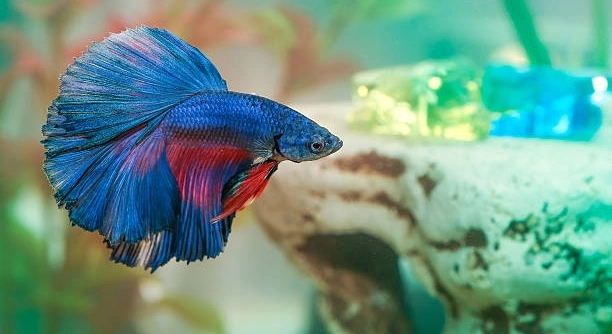
Algae growth in a Betta fish tank is a common issue. It can be frustrating to see your tank overrun by unsightly green growth. Understanding why algae appears and how to manage it can improve your Betta’s environment.
Algae in Betta fish tanks primarily develops due to excess nutrients, light, and poor water conditions. These factors create an ideal environment for algae to thrive, making regular tank maintenance essential for keeping algae under control and ensuring the well-being of your Betta.
Addressing the root causes of algae growth can help maintain a cleaner, healthier tank for your Betta. Proper care can prevent these issues from becoming overwhelming.
Why Algae Forms in Betta Fish Tanks
Algae typically thrives in tanks with excess nutrients, light, and poor filtration. Overfeeding, uneaten food, and organic waste increase the nutrient levels in the water, encouraging algae growth. Inadequate lighting, or light left on for too long, also contributes to the problem. If water isn’t changed regularly, these conditions become worse, making the tank an ideal home for algae. Algae can cause cloudiness in the water and hinder your Betta’s overall health by limiting their space to swim and disrupting their environment. It’s essential to understand why algae grows in the first place so you can prevent it from taking over.
Reducing light exposure and cleaning the tank regularly can help keep algae in check. Regular maintenance helps limit excess nutrients, keeping the tank cleaner.
Taking proactive steps to address algae growth can greatly enhance your Betta’s living conditions. The key is managing light, waste, and water quality to ensure algae doesn’t take over. By maintaining these factors, you’ll notice improvements over time.
Solutions to Prevent Algae Growth
Tank maintenance is the first line of defense against algae. Regular water changes, cleaning, and ensuring proper filtration can reduce the growth.
To prevent algae, start by removing any uneaten food after feeding your Betta. This prevents nutrients from accumulating. Also, trim any plants that may have excess growth. These practices help manage the overall cleanliness of the tank. Regular maintenance is vital for keeping your tank algae-free.
Another important step is controlling the amount of light your tank gets. Algae thrives with too much exposure, so keeping light on for about 8-10 hours a day can help prevent algae from growing. A timer for your lights can make this more manageable. Adding live plants can also help out by using nutrients that would otherwise go to algae. Keep in mind that water changes should be consistent, ideally every 1-2 weeks, depending on tank size. Regular maintenance can prevent algae from becoming a problem and keep your Betta healthy.
Excessive Light and Algae Growth
Too much light is one of the main reasons algae develop in Betta tanks. Algae need light to grow, and constant exposure encourages it.
When the tank receives too much light, especially from direct sunlight or prolonged artificial lighting, it creates a perfect environment for algae. Betta tanks should have 8-10 hours of light per day. It’s easy to install a timer for consistency and to avoid overexposure. Keeping the light to a controlled duration helps limit algae growth and maintains the balance in your Betta’s habitat.
If algae are already present, reduce the light exposure and clean the tank thoroughly. You may also consider adding floating plants to help block excess light.
Overfeeding and Algae Issues
Overfeeding your Betta is a major contributor to algae problems. Extra food leads to extra waste, which increases nutrient levels in the water.
If Betta food isn’t eaten within a few minutes, it sinks to the bottom and breaks down. This decomposition process releases nutrients, fueling algae growth. Be mindful of the amount of food you give your Betta, ensuring it’s only what they can consume in 2-3 minutes. A proper feeding schedule and portion control will help reduce uneaten food and waste.
Additionally, removing any uneaten food right after feeding helps keep the tank cleaner. Keeping the feeding routine simple and consistent makes it easier to avoid this problem.
Poor Filtration and Algae Growth
A poor filtration system allows waste to build up in the tank, creating an ideal environment for algae. A filter that isn’t strong enough or not properly maintained can’t keep the water clean.
To prevent algae, make sure the filter is appropriate for the size of your Betta tank. Regularly clean the filter to ensure it’s functioning properly. A properly working filter helps remove waste and excess nutrients that algae feed on.
Water Changes and Tank Cleanliness
Frequent water changes are essential to controlling algae. Changing 25-30% of the water weekly helps maintain a healthy tank environment.
Regular water changes remove excess nutrients and debris that can feed algae. In addition to changing the water, cleaning the decorations and substrate ensures no organic matter remains for algae to thrive on. Keeping the tank clean reduces algae buildup over time.
Live Plants to Reduce Algae
Live plants are a natural way to reduce algae growth. They consume the nutrients in the water that algae need to survive.
By adding live plants, you’re not only improving the aesthetic of the tank, but you’re also creating a balanced environment. Plants like Java Ferns, Anubias, and Amazon Swords are great choices for Betta tanks. They help reduce nutrient levels, keeping algae growth in check while providing hiding spots and shelter for your Betta.
FAQ
How can I prevent algae from growing in my Betta tank?
To prevent algae, focus on proper tank maintenance. Limit light exposure to 8-10 hours per day, feed your Betta only what they can eat in a few minutes, and change the water regularly. Proper filtration is also key. Make sure your filter is strong enough to keep the water clean and check it often. Reducing excess nutrients and organic waste will significantly help in controlling algae growth.
Why does my Betta tank have so much algae?
Excess nutrients, overfeeding, and poor lighting often lead to algae growth. When there’s more food than your Betta can consume, uneaten food breaks down, adding extra nutrients to the water. If the tank gets too much light or doesn’t get cleaned often, algae will grow faster. Regular tank maintenance is the best way to prevent these issues.
Can algae harm my Betta fish?
Algae itself doesn’t directly harm Betta fish, but it can lead to poor water quality. Algae can block light, making it harder for plants in the tank to thrive. If the algae creates a thick layer on surfaces, it can impact the oxygen levels in the water. This can lead to stress or health issues for your Betta.
What’s the best way to clean algae off tank surfaces?
Use an algae scraper or sponge to gently remove algae from tank walls. Make sure to clean decorations and the substrate as well. Avoid using harsh chemicals or cleaners, as they can harm your Betta. A simple water change after cleaning will help remove any leftover algae and waste.
How often should I do water changes to control algae?
It’s recommended to change 25-30% of the water every week to prevent algae and maintain healthy water conditions. Consistent water changes help remove excess nutrients that algae feed on, and it also keeps the environment fresh for your Betta.
Are live plants helpful in controlling algae growth?
Yes, live plants are very helpful in reducing algae. They absorb the same nutrients that algae thrive on, lowering the chances of algae growth. Plants like Java Fern and Anubias not only help with algae control but also provide natural hiding spots for your Betta.
What is the best type of filter for a Betta tank?
A gentle filter is best for a Betta tank. Betta fish are not strong swimmers, so a filter that creates strong currents can stress them out. Choose a filter designed for smaller tanks with adjustable flow, ensuring the water stays clean without disturbing your Betta.
Can I use an algae-eating fish to control algae in my Betta tank?
While some algae-eating fish can help control algae, they may not be the best option for a Betta tank. Betta fish are territorial, and adding another fish can lead to stress or aggression. If you do want to try algae-eaters, consider species like Nerite snails or Amano shrimp, which are less likely to disturb your Betta.
How can I reduce algae if my tank gets direct sunlight?
If your tank gets too much direct sunlight, it’s best to move it to a location with less exposure. Direct sunlight encourages algae growth by raising the tank’s temperature and providing constant light. If you can’t move the tank, consider using a tank cover to block out sunlight.
Are algae blooms normal in Betta tanks?
Occasional algae blooms are normal, especially in newer tanks. However, persistent blooms indicate that the tank is not being properly maintained. Regular water changes, controlling lighting, and proper filtration should prevent algae from taking over. If the issue continues, check for overfeeding or other environmental factors contributing to the algae growth.
What are some natural algae control methods for Betta tanks?
Adding live plants, adjusting light exposure, and maintaining a proper feeding routine are natural ways to control algae. Additionally, certain snails like Nerite snails can help eat algae. Avoiding overfeeding and regularly cleaning the tank also helps reduce algae growth without chemicals.
Do algae-eating snails need special care?
Algae-eating snails are relatively low-maintenance but require some care. Make sure to monitor their diet and ensure they don’t overfeed. If algae is scarce, you may need to supplement their diet with algae wafers. Make sure the water parameters are stable, and provide a suitable hiding spot for them.
What lighting schedule is best for a Betta tank?
A lighting schedule of 8-10 hours per day is ideal for a Betta tank. This prevents algae from getting too much light while still providing your Betta with enough light for a healthy environment. Use a timer to ensure the light is consistent and avoid keeping the light on too long, which can promote algae growth.
Can I use chemical treatments to control algae in my Betta tank?
Chemical treatments can be harmful to Betta fish and their environment. It’s best to avoid them whenever possible. Instead, focus on regular tank cleaning, proper lighting, and feeding habits to naturally manage algae growth. If you do need to use chemicals, ensure they are safe for fish and follow the instructions carefully.
How do I know if my Betta is stressed by algae or poor water quality?
If your Betta seems more lethargic, hides more often, or exhibits unusual behavior like clamped fins, it could be a sign of stress. Poor water quality, which algae can contribute to, can affect your Betta’s health. Regular water testing and maintenance can help prevent these issues.
Final Thoughts
Algae growth in a Betta fish tank is a common issue but can be managed with proper care and attention. By understanding the factors that contribute to algae development, such as excess nutrients, light exposure, and water quality, it becomes easier to prevent and control it. Regular maintenance, including water changes and cleaning, plays a crucial role in keeping the tank environment healthy for both the Betta and any plants or decorations.
In addition to proper maintenance, introducing live plants can help control algae naturally. Plants absorb the same nutrients that algae feed on, thus reducing the nutrients available for algae to grow. They also provide a more natural and visually appealing environment for your Betta. However, it’s important to avoid overfeeding your Betta, as uneaten food can contribute to nutrient buildup and fuel algae growth. Keeping a balanced routine and maintaining water quality will make a noticeable difference in preventing algae buildup.
Ultimately, preventing algae requires a combination of proper filtration, regular water changes, balanced feeding habits, and the right lighting conditions. Algae-eating snails or shrimp can also be helpful but should be chosen carefully, keeping in mind the compatibility with your Betta. By managing these factors, you can create a clean and healthy environment for your Betta, where both your fish and plants can thrive. Algae may seem inevitable at times, but with the right care, it doesn’t have to be a major issue.

Hello,
If you enjoy the content that we create, please consider saying a "Thank You!" by leaving a tip.
Every little bit helps us continue crafting quality advice that supports the health, happiness, and well-being of pets around the world, for pets of all shapes, sizes, and species.
We really appreciate the kindness and support that you show us!