
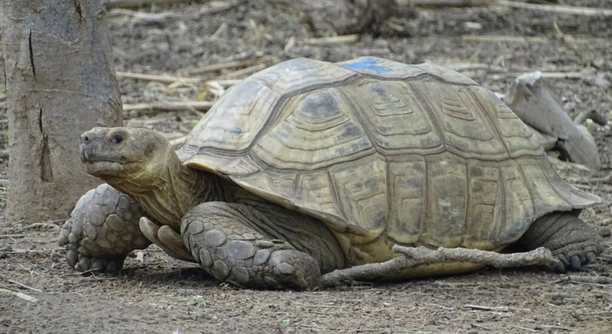
Keeping your tortoise’s nails at a healthy length is important for their overall health and well-being. Overgrown nails can cause discomfort and even lead to injury if not maintained properly. Here are seven simple ways to keep them in check.
Regular nail trimming is essential to prevent your tortoise’s nails from becoming too long. Use the right tools and take care to trim just the sharp tips, being cautious not to cut into the sensitive quick.
A few simple methods can help you maintain your tortoise’s nails with ease. Keep reading for easy steps that will keep their nails healthy and comfortable.
Understanding Why Nail Care Matters
Tortoises rely on their nails for walking, climbing, and sometimes digging. Overgrown nails can cause discomfort, making movement harder. If nails are left unchecked, they can curl into the tortoise’s feet, causing pain and injury. Maintaining the right nail length prevents these issues, promoting comfort and healthy mobility. Regular trimming can also prevent infections that might occur when nails are damaged or cracked from being too long. Healthy nails are an important part of keeping your tortoise in good shape. A consistent routine of maintenance will help you avoid these health concerns.
Regular nail trimming can be done at home with the right tools. Consider using a proper nail clipper designed for reptiles. Keep the nails trimmed to a manageable length to avoid potential issues.
Many people may hesitate to trim their tortoise’s nails because of the fear of cutting too much. To avoid this, trimming just the tips can prevent over-cutting. It’s important to get familiar with the process before tackling larger cuts. Taking small steps will ensure a comfortable experience for both you and your tortoise.
Choosing the Right Tools
Selecting the right tools is key for proper nail trimming. Nail clippers designed specifically for reptiles are the best option for safely trimming your tortoise’s nails. These clippers are sturdy and designed to handle the tougher texture of reptile nails. A pair of small animal clippers can also be used if you do not have reptile-specific ones. The key is choosing something that will not cause injury and can easily cut through the nail without causing stress.
Keep in mind, using blunt or improperly sized tools can cause discomfort. A clean, sharp clipper will ensure a precise and safe trim every time. Regular tool maintenance is just as important to avoid accidental injury.
Trimming Your Tortoise’s Nails
When trimming your tortoise’s nails, it’s essential to focus on the sharp tips. Avoid cutting too much at once to prevent injury. Start small, trimming a little bit each time. If you’re unsure, it’s better to trim less than too much. This approach will ensure safe and effective nail care.
For smaller tortoises, the trimming process is simpler due to their smaller nails. Larger tortoises may require more effort due to the size and hardness of their nails. Always check for any signs of injury or infection after trimming to ensure their nails are healthy.
It’s recommended to trim nails every 4-6 weeks, depending on the growth rate. However, you can adjust the schedule based on your tortoise’s needs. Over time, you will become more comfortable with the process, ensuring both you and your tortoise are at ease.
Using a Nail File
If your tortoise’s nails need more attention after trimming, consider using a nail file. Gently smooth any sharp edges or rough spots to prevent injury. Be cautious not to overdo it, as this could cause discomfort. A soft touch is all that’s needed to finish the trimming process.
A nail file can be an excellent tool for tortoises who are sensitive to clippers. It helps create smooth edges, avoiding the potential risk of snagging or scratching. Be gentle, filing in one direction, and regularly check for any irregularities to prevent issues from arising later on.
Observing Nail Growth
Nail growth varies between tortoises depending on their diet, age, and activity levels. Monitoring the length regularly will help you determine when it’s time for trimming. Pay attention to any signs of discomfort or difficulty in movement, which may indicate nails that have become too long.
Regular checks will allow you to spot any potential nail issues early. Keeping an eye on your tortoise’s behavior can give you important clues about whether nail trimming is needed sooner than expected.
Offering Natural Wear
Allowing your tortoise to walk on rough surfaces, such as rocks or gravel, can help naturally wear down their nails. This is especially useful for tortoises that spend a lot of time outdoors. Natural wear can reduce the need for frequent trimming.
Exposing your tortoise to these environments helps keep nails shorter and healthier. Be cautious with the surface type to avoid any injury, ensuring the rough textures aren’t too sharp or abrasive.
FAQ
How do I know when my tortoise’s nails need trimming?
If your tortoise’s nails are visibly long or begin to curve, it’s time to trim them. You should also trim if your tortoise has difficulty moving or if their nails become caught on surfaces. Regular checks will help you stay on top of this.
Can I use regular human nail clippers on my tortoise?
It’s best to use clippers designed for reptiles or small animals. Regular human nail clippers may not be sharp enough or sturdy enough to handle the thicker, tougher nails of a tortoise. Specialized reptile nail clippers are more effective and safer.
What should I do if I accidentally cut too much?
If you accidentally cut too much and cause bleeding, apply gentle pressure with a clean cloth. You can use a styptic powder to stop the bleeding, or cornstarch if you don’t have styptic powder. Keep an eye on the nail for any signs of infection.
How often should I trim my tortoise’s nails?
Most tortoises need their nails trimmed every 4-6 weeks, but this can vary depending on factors like diet, activity level, and the surfaces they walk on. Tortoises that spend time outdoors and walk on rough terrain may require less frequent trimming.
Can I trim my tortoise’s nails too often?
While it’s important to keep your tortoise’s nails at a healthy length, trimming too frequently can cause stress and discomfort. It’s best to wait until the nails need attention rather than trimming too often. Over-trimming can also damage the sensitive quick inside the nail.
Is it safe to trim my tortoise’s nails by myself?
Yes, it is safe to trim your tortoise’s nails at home as long as you are careful and use the right tools. If you are unsure or feel uncomfortable, you can consult a vet or a professional for guidance. Taking small, gradual steps will make the process easier.
What if my tortoise resists during nail trimming?
Some tortoises may resist nail trimming, but it’s important to stay calm and gentle. You can try wrapping your tortoise in a towel to keep them still. Another option is to have someone hold the tortoise while you trim the nails.
Can my tortoise’s nails break?
Yes, tortoise nails can break, especially if they become too long and start to curl or weaken. This can be painful for the tortoise and may lead to infection. Regular trimming and natural wear can help prevent breakage and ensure their nails stay strong and healthy.
Should I trim the nails of my baby tortoise?
Yes, even baby tortoises need their nails trimmed. Their nails grow just like adult tortoises, though they may not need trimming as often. Be extra cautious when trimming baby tortoise nails, as they are smaller and more delicate.
Can overgrown nails affect my tortoise’s health?
Overgrown nails can cause several health issues, including pain while walking and difficulty moving around. If the nails grow too long, they may begin to curl under, causing damage to the tortoise’s feet. Regular trimming ensures they stay healthy and mobile.
What tools do I need to trim my tortoise’s nails?
To trim your tortoise’s nails, you’ll need a pair of reptile nail clippers or small animal clippers, a nail file for smoothing edges, and possibly styptic powder for emergencies. Make sure all tools are clean and sharp to avoid causing injury.
Can I file my tortoise’s nails instead of cutting them?
Filing is a good option to smooth sharp edges after trimming, but it should not replace cutting the nails. Filing alone won’t shorten the nails, but it can help avoid sharp points after you’ve trimmed them. Always start with trimming and finish with filing if needed.
What happens if I don’t trim my tortoise’s nails?
Neglecting to trim your tortoise’s nails can lead to painful conditions, such as curled nails or foot injuries. Overgrown nails may also prevent your tortoise from moving properly, causing discomfort and affecting their overall health. Regular nail care is crucial for their well-being.
Can tortoises trim their own nails naturally?
Tortoises can naturally wear down their nails if they are allowed to roam on rough surfaces like gravel or rocks. However, this may not be enough in some cases, and regular trimming may still be required to maintain healthy nail length.
Is it normal for a tortoise’s nails to grow quickly?
Tortoise nail growth varies from one individual to another. Some tortoises may experience faster nail growth, especially if they have a diet rich in calcium or if they have an active lifestyle. Keep an eye on growth patterns to determine when to trim.
What should I do if my tortoise has soft or brittle nails?
If your tortoise has soft or brittle nails, it could be a sign of a nutritional deficiency, especially a lack of calcium. Consult a vet to check their diet and overall health. Supplementing their diet with calcium-rich foods may help improve nail strength.
Can I use baby nail clippers on a tortoise?
Baby nail clippers may be too small and not strong enough for tortoise nails, especially if the nails are thick or tough. It’s better to use specialized reptile clippers or small animal clippers to ensure a clean and safe trim.
Final Thoughts
Maintaining your tortoise’s nails is a straightforward task but essential for their overall well-being. Regular trimming ensures that their nails stay at a healthy length, preventing them from becoming too long, curled, or causing discomfort. Without proper care, overgrown nails can affect your tortoise’s movement, leading to potential injury or difficulty walking. While it may seem like a small detail, nail maintenance plays a significant role in keeping your tortoise active and healthy.
The best way to ensure that your tortoise’s nails remain in good condition is by incorporating nail checks into their routine care. Pay attention to any changes in behavior or signs of discomfort, as these can be indicators that a trim is needed. Remember, it’s important to use the right tools for the job. Reptile nail clippers are the safest and most effective, allowing you to trim the nails carefully without causing harm. In case of mistakes, it’s helpful to have styptic powder on hand to stop any bleeding.
While it’s easy to overlook nail trimming, it’s just one of the many ways to care for your tortoise. By providing a balanced diet, offering a variety of surfaces for natural wear, and staying on top of nail care, you can help ensure your tortoise’s long-term health. Trimming nails doesn’t need to be stressful for you or your tortoise. With a little patience and consistency, it will become a routine part of your pet’s care, helping them lead a happy and active life.

Hello,
If you enjoy the content that we create, please consider saying a "Thank You!" by leaving a tip.
Every little bit helps us continue crafting quality advice that supports the health, happiness, and well-being of pets around the world, for pets of all shapes, sizes, and species.
We really appreciate the kindness and support that you show us!