
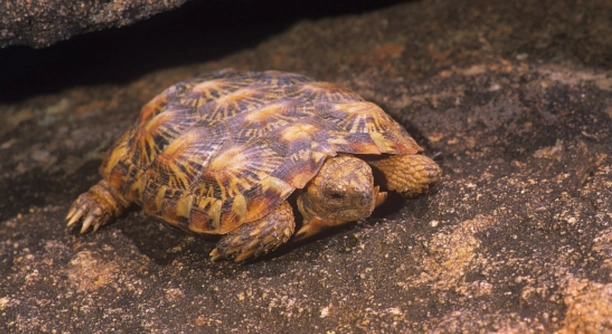
Respiratory infections in tortoises are common but can be tricky to identify early on. Knowing how to spot the symptoms early can help you take action and prevent further complications. Early intervention is key for their health.
Respiratory infections in tortoises can be detected through various signs. Symptoms such as nasal discharge, wheezing, or difficulty breathing may indicate an infection. Prompt attention to these signs can help prevent severe illness and support recovery.
Understanding these symptoms will allow you to address any issues and ensure your tortoise’s well-being. Taking quick action is essential for managing their health effectively.
Common Early Symptoms of Respiratory Infections in Tortoises
Tortoises with respiratory infections may show early signs like nasal discharge or wheezing. These symptoms can be subtle at first, often going unnoticed. It’s important to monitor them closely, especially if your tortoise has recently been exposed to cold temperatures or high humidity. Another key indicator is labored breathing, which may be a sign of fluid in the lungs. These infections often start slowly, but they can escalate quickly if not addressed. Recognizing these early symptoms can help you seek treatment promptly, preventing the infection from becoming more severe.
Tortoises may also display changes in behavior, such as a loss of appetite or lethargy. These signs are often overlooked, but they can be key to spotting respiratory issues early. If your tortoise becomes less active or refuses food, it might be trying to conserve energy to fight off an infection.
Early detection of respiratory infections is critical for the health of your tortoise. While some symptoms may seem minor at first, they can rapidly progress. If left untreated, infections can lead to serious complications, including pneumonia. Monitoring your tortoise’s health regularly and watching for these early signs is essential to ensuring they stay healthy and active.
Treatment Options for Respiratory Infections
If you notice symptoms of a respiratory infection, it’s important to act quickly. Immediate veterinary care can significantly improve your tortoise’s chances of recovery.
Treatment often involves antibiotics to combat the infection. In some cases, your vet may also recommend supportive care, such as warmth and hydration, to help your tortoise recover faster. It’s essential to follow the prescribed treatment plan to avoid further complications.
Identifying Nasal Discharge in Tortoises
Nasal discharge is one of the earliest signs of a respiratory infection in tortoises. It can range from clear fluid to a thicker, colored mucus, often indicating an infection. If you notice your tortoise’s nose is constantly wet or has discharge, it’s time to act.
A small amount of nasal discharge might not be alarming, but consistency is key. If the discharge continues for days or thickens, it’s a clear signal that something isn’t right. It could be caused by environmental factors like poor humidity or temperature control, or it may indicate a bacterial infection.
Watch for any other symptoms like wheezing or labored breathing. If they appear along with nasal discharge, seek veterinary care immediately. The infection can worsen, leading to more serious complications if untreated. Maintaining proper enclosure conditions can help prevent these issues, but early intervention is essential.
Wheezing or Labored Breathing
Wheezing or labored breathing is another concerning sign. Tortoises may struggle to breathe, making a wheezing or clicking sound. This happens when the respiratory system becomes blocked or inflamed due to infection.
If your tortoise’s breathing sounds labored, it’s likely that the infection has advanced to the point where it’s affecting their lungs or airways. This is not something to ignore. Tortoises need access to fresh air, so if their breathing is restricted, it can be uncomfortable and even dangerous for them.
To treat this issue, consult a vet immediately. They will provide the necessary medication to help clear up the infection and ensure your tortoise can breathe normally again. Proper habitat management can reduce the risk of these infections in the future.
Changes in Behavior and Appetite
Loss of appetite or unusual behavior can also signal a respiratory infection. A tortoise with an infection might not be as interested in food or might become more lethargic than usual. This is often a result of their body fighting the infection.
When your tortoise becomes less active, it may be trying to conserve energy. If this behavior continues, it’s important to investigate further. Infections can make tortoises feel unwell, and they may also stop eating due to difficulty breathing or pain. Seek veterinary care if these changes last longer than a day or two.
Swelling Around the Eyes or Neck
Swelling in areas like the neck or around the eyes can sometimes accompany a respiratory infection. The swelling occurs when fluid builds up as the body reacts to the infection. This can be quite noticeable and uncomfortable for the tortoise.
If you notice this swelling, it could indicate an infection that has progressed. The body’s immune system is fighting the infection, but excess fluid can create additional stress on the tortoise. Treatment from a veterinarian is essential to help reduce inflammation and promote recovery.
Clear Discharge from Eyes
In some cases, clear discharge from the eyes can be another symptom of a respiratory infection. When tortoises have a cold or infection, the fluid may begin to drain from the eyes, much like how humans experience a runny nose.
It’s essential to monitor how long the eye discharge lasts and how much is produced. If it continues for several days, it’s a sign that the infection isn’t resolving and requires professional treatment. Early care can help prevent the infection from spreading further or affecting other parts of the body.
FAQ
What causes respiratory infections in tortoises?
Respiratory infections in tortoises are typically caused by bacteria or viruses. These infections can develop when the tortoise’s immune system is weakened by environmental stressors, such as poor humidity, extreme temperatures, or overcrowding. Bacteria like Pseudomonas or Mycoplasma are common culprits. Inadequate living conditions or sudden changes in the tortoise’s environment can lead to respiratory issues, especially if their enclosure is too cold or too humid.
How can I prevent respiratory infections in my tortoise?
To prevent respiratory infections, it’s important to maintain proper temperature and humidity levels in your tortoise’s enclosure. Ensure they have access to clean, dry bedding and a diet that supports their immune health. Regularly cleaning their habitat helps prevent bacteria buildup. Also, avoid sudden changes in their environment, as tortoises are sensitive to fluctuations in temperature and humidity.
How do I know if my tortoise is getting sick?
Watch for signs like lethargy, lack of appetite, wheezing, nasal discharge, or labored breathing. If you notice these symptoms, your tortoise may be ill. Other signs could include swelling around the eyes or neck and changes in behavior, such as increased hiding or unusual movements. It’s crucial to act fast when you notice these signs.
Can a respiratory infection kill a tortoise?
Yes, if left untreated, a respiratory infection can be fatal. Infections like pneumonia can develop, which are very serious and can cause significant damage to the respiratory system. Early intervention with antibiotics and proper care can help prevent the infection from becoming life-threatening. If you notice symptoms, it’s essential to consult a veterinarian immediately.
What should I do if my tortoise shows signs of a respiratory infection?
If you see signs of a respiratory infection, the first step is to get your tortoise to a veterinarian. They can provide the proper diagnosis and recommend antibiotics or other treatments. While waiting for a vet appointment, keep your tortoise warm and ensure they are in a dry, clean environment. This will help support their immune system while they recover.
Are respiratory infections contagious to other tortoises?
Yes, respiratory infections can be contagious to other tortoises, especially if they are housed together. If one tortoise shows symptoms, it’s advisable to isolate them to prevent the spread of the infection. Regularly cleaning the enclosure and disinfecting any shared items, like water bowls or food containers, can help limit the risk of transmission.
How long does it take for a tortoise to recover from a respiratory infection?
Recovery time can vary depending on the severity of the infection and how quickly treatment begins. Minor infections may resolve in a week or two, while more severe cases could take longer. It’s important to follow your vet’s instructions carefully and monitor your tortoise’s health regularly. If the infection does not improve, additional treatments may be necessary.
Can I treat my tortoise’s respiratory infection at home?
It’s not recommended to treat a tortoise’s respiratory infection at home without veterinary guidance. While keeping the environment warm and clean can help, antibiotics and other medications should be prescribed by a vet. Self-treating with over-the-counter medications can be harmful to your tortoise and may worsen the condition.
What is the best humidity level for my tortoise?
The ideal humidity level depends on the species of tortoise. For most species, the humidity should range from 40% to 60%, but some species may require more specific conditions. Too high or too low humidity can lead to respiratory issues. Check with your vet or research your tortoise’s specific species to find the correct humidity range for optimal health.
How can I tell if my tortoise is dehydrated?
Signs of dehydration in tortoises include sunken eyes, dry or flaky skin, and a lack of appetite. Dehydration can contribute to illness, including respiratory infections. Ensure your tortoise has constant access to clean water, and soak them in warm water occasionally to keep them hydrated. Dehydration can be serious, so if you notice these signs, seek veterinary care.
Can a tortoise survive a severe respiratory infection without treatment?
A severe respiratory infection can be fatal if left untreated, as it can lead to pneumonia or other complications. If a tortoise’s respiratory system is compromised, their ability to absorb oxygen diminishes, making it difficult for them to recover without medical intervention. Early treatment is crucial for a better chance of recovery.
What kind of food helps a tortoise recover from illness?
A balanced diet rich in vitamins, especially vitamin A, is important for recovery. Foods like dark leafy greens, carrots, and bell peppers can help boost their immune system. However, it’s essential to follow your vet’s dietary recommendations, as some foods may need to be adjusted depending on the tortoise’s condition. Avoid offering food that could further stress the digestive system during recovery.
Final Thoughts
Recognizing the early signs of a respiratory infection in tortoises is crucial for their well-being. These signs, such as changes in behavior, appetite loss, nasal discharge, and swelling, should not be overlooked. The sooner these symptoms are identified, the faster a veterinarian can provide the appropriate treatment. This can significantly improve the chances of recovery and prevent the infection from worsening. Early intervention is key to ensuring that your tortoise stays healthy and avoids long-term complications.
Taking proper care of your tortoise’s environment can help prevent respiratory infections from occurring in the first place. Keeping their living space at the correct temperature and humidity levels, as well as maintaining a clean and dry habitat, is essential. Regular health checks and good nutrition will also play a role in strengthening their immune system. A balanced diet with the right vitamins and minerals will help them stay strong and resist infections. Paying attention to these factors can reduce the likelihood of respiratory issues and support their overall health.
If your tortoise shows any signs of a respiratory infection, it’s important to take immediate action. Consult with a veterinarian who is familiar with reptiles to ensure your tortoise gets the proper care. While it may seem like a small issue at first, untreated respiratory infections can quickly become severe and even fatal. Being proactive in both preventing and treating these infections can help your tortoise live a long, healthy life. By providing the right environment and care, you can protect your pet from the challenges of respiratory infections and help them thrive.

Hello,
If you enjoy the content that we create, please consider saying a "Thank You!" by leaving a tip.
Every little bit helps us continue crafting quality advice that supports the health, happiness, and well-being of pets around the world, for pets of all shapes, sizes, and species.
We really appreciate the kindness and support that you show us!