
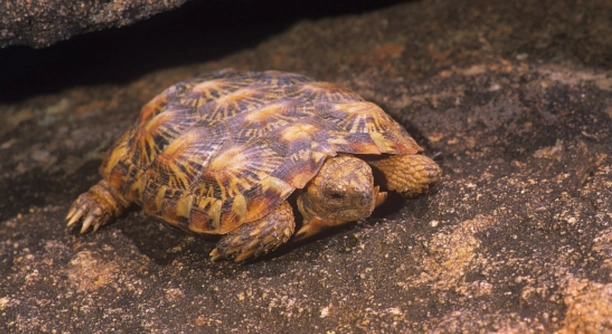
It’s essential to ensure your tortoise receives enough sunlight to stay healthy. Sunlight plays a vital role in their well-being, helping them thrive and preventing common health issues. Without it, they may face problems.
A tortoise’s need for sunlight is critical for vitamin D synthesis, which helps in calcium absorption. Insufficient sunlight can result in weak bones, lethargy, and other health problems. Seven clear signs can indicate whether your tortoise is getting enough sunlight.
Understanding these signs will help you keep your tortoise healthy and happy. By making small adjustments to their environment, you can ensure they receive the necessary sunlight for their well-being.
Importance of Sunlight for Your Tortoise
Sunlight is essential for your tortoise’s health, as it helps them produce vitamin D3, which is crucial for calcium absorption. Without proper sunlight exposure, they can develop soft, brittle shells and weakened bones. Natural sunlight supports their overall immune system, aiding in their ability to fight off infections. When tortoises don’t receive enough sunlight, they often become lethargic and lose their appetite. In some cases, poor lighting can lead to metabolic bone disease, which severely affects their mobility and quality of life.
Providing proper sunlight, whether outdoors or through UVB lamps indoors, can prevent these health issues. Ideally, tortoises should have access to direct sunlight for at least a few hours each day. Without this, their growth and vitality will be hindered. Consistent sunlight exposure is crucial for maintaining their energy levels and ensuring their long-term health.
The amount of sunlight a tortoise needs can vary depending on its species. Some may require more than others, but the goal remains the same: regular exposure to natural or artificial UVB light helps them thrive.
Seven Signs Your Tortoise Needs More Sunlight
It’s important to look for signs that indicate your tortoise is not getting enough sunlight.
One of the first signs is noticeable lethargy. If your tortoise spends most of the day sleeping or moving slowly, it could be a sign they need more sunlight. Lack of activity is often linked to insufficient UVB exposure. Another key indicator is a poor appetite. Tortoises that aren’t exposed to enough sunlight often lose interest in food. Additionally, weakened shells or soft spots can be a clear sign of calcium deficiency caused by inadequate sunlight. If your tortoise is suffering from these symptoms, they may be lacking proper sunlight.
Tortoises with poor lighting will also have difficulty shedding their old skin. This can lead to infections or irritations on their shell. Another sign to watch for is changes in behavior, such as increased aggression or hiding more than usual. In some cases, you might notice a drop in weight, which could be a result of improper digestion linked to insufficient vitamin D3. Finally, a pale or discolored shell is another visual cue that your tortoise might not be getting enough sunlight.
How to Improve Sunlight Exposure for Your Tortoise
Improving your tortoise’s sunlight exposure doesn’t have to be difficult. If you have an outdoor enclosure, make sure it’s in a sunny area where your tortoise can bask for several hours each day. It’s important to ensure they have a shaded area to retreat to when they feel too hot. If your tortoise is kept indoors, a high-quality UVB lamp is necessary. These lamps mimic the sun’s rays and help provide the necessary UVB light. Keep the light on for about 10 to 12 hours a day to simulate natural daylight cycles.
However, keep in mind that UVB lamps need to be replaced every 6 to 12 months to maintain their effectiveness. A basking spot with a heat lamp will also ensure your tortoise can regulate its body temperature. If you choose to let your tortoise outside, supervise them to prevent them from wandering off or getting into any harmful situations. Even in an outdoor environment, make sure your tortoise can retreat into a shaded space if needed. With the right care and setup, your tortoise can enjoy all the benefits of sunlight and thrive.
The Right Temperature for Sunlight Exposure
Temperature plays a key role in ensuring your tortoise gets the full benefits of sunlight.
Your tortoise needs a basking area with temperatures ranging from 85°F to 95°F, depending on the species. Too much heat can cause dehydration, while insufficient warmth can make them sluggish. A heat lamp or a shaded area should also be available for when they need to cool down. The proper balance of warmth and sunlight encourages healthy digestion and activity levels, which are critical for their well-being. Tortoises can also regulate their body temperature by moving between the hot and cool spots, mimicking natural behaviors.
A thermometer is essential to monitor the basking spot temperature and ensure it stays within the correct range. Too little sunlight can lead to poor absorption of vitamin D3, while temperatures that are too high can cause overheating. Providing both heat and UVB light in the right balance will help your tortoise maintain good health and stay active throughout the day.
Signs of Overexposure to Sunlight
Sunlight is essential for tortoises, but too much exposure can be harmful.
Excessive sun can lead to dehydration, heatstroke, and shell damage. Overheating is a common issue if your tortoise is exposed to the sun for too long without access to a shaded area. This is especially problematic in the summer months, when temperatures can climb quickly. If you notice that your tortoise is becoming lethargic or has a dry, cracked shell, it might be a sign of overexposure.
Providing access to shaded areas is essential in preventing these issues. It’s best to monitor how long your tortoise spends in direct sunlight, ensuring they have the option to retreat into a cooler space if needed. This will prevent overheating and protect them from sunburn, which can cause long-term damage to their health. Be mindful of the climate in your area and adjust the time your tortoise spends outdoors based on weather conditions.
How Long Should Your Tortoise Be in the Sun?
Tortoises need a few hours of sunlight each day for their health.
The ideal duration varies depending on their species, but a good rule of thumb is at least 3 to 5 hours of direct sunlight per day. In the absence of sunlight, UVB lights can supplement their needs.
If your tortoise is outdoors, you can let them bask for longer periods, especially during cooler weather. However, always monitor their behavior to avoid signs of overheating. It’s also important to make sure they have access to shade and fresh water, allowing them to stay hydrated and comfortable while they soak in the sun.
UVB Lighting for Indoor Tortoises
UVB lighting is a crucial component for tortoises kept indoors.
These lights mimic natural sunlight and help provide the necessary vitamin D3. Without proper UVB lighting, your tortoise won’t be able to absorb calcium, leading to health problems. Be sure to place the light source close enough so that your tortoise can bask comfortably under it.
UVB lamps should be replaced regularly because their UVB output decreases over time, even though they may still emit visible light. If your tortoise’s shell appears soft or they seem sluggish, the UVB light may not be providing enough exposure.
The Impact of Seasons on Sunlight Needs
Seasonal changes can affect the amount of sunlight your tortoise receives.
During the summer, sunlight exposure is more abundant, allowing tortoises to spend longer periods outside. In contrast, winter months often lead to shorter days and cooler temperatures, making outdoor basking less feasible. Be prepared to adjust their habitat and lighting conditions accordingly.
FAQ
How much sunlight does my tortoise need?
Tortoises need at least 3 to 5 hours of direct sunlight daily. The exact amount can depend on the species, but this general guideline works for most. If you keep your tortoise indoors, make sure to provide a UVB light for at least 10 to 12 hours a day to mimic sunlight.
Can my tortoise get too much sunlight?
Yes, tortoises can get too much sunlight, which can cause dehydration, heatstroke, or even shell damage. If your tortoise is spending too much time in direct sun, make sure they have access to shaded areas and fresh water. Overexposure can be harmful, especially in hot weather.
Should I keep my tortoise outside all day in the sun?
It’s best to limit outdoor time to a few hours daily, depending on the weather and temperature. While tortoises benefit from sunlight, they can easily overheat, especially during peak sunlight hours. Always monitor their behavior and provide shaded spots where they can cool down when needed.
What are the signs that my tortoise isn’t getting enough sunlight?
If your tortoise seems lethargic, refuses food, or has a soft shell, these are signs that they may not be getting enough sunlight. These symptoms are typically due to a vitamin D3 deficiency, which sunlight helps produce. Make sure your tortoise has access to proper lighting and basking spots.
How do I provide UVB light for my indoor tortoise?
For indoor tortoises, a UVB lamp is necessary to mimic sunlight. Place the lamp over the basking area, ensuring it’s within 12 to 18 inches of your tortoise. Replace the bulb every 6 to 12 months, as UVB output decreases even if the light still works.
Can I use a regular light bulb for my tortoise’s basking spot?
Regular light bulbs do not emit UVB rays, so they won’t provide the necessary benefits for your tortoise. You need a specific UVB light bulb to ensure proper calcium absorption and vitamin D3 production. These bulbs are specially designed for reptiles and are essential for your tortoise’s health.
How long does UVB light need to be on each day?
UVB light should be on for 10 to 12 hours per day, simulating a natural day-night cycle. This duration helps your tortoise produce vitamin D3 and stay healthy. Make sure to turn off the light during the night to mimic the natural light cycle and provide a proper resting period.
Can I take my tortoise outside for sunlight during colder weather?
In cooler weather, it’s best to avoid taking your tortoise outside unless the temperature is warm enough. Tortoises are cold-blooded and cannot regulate their body temperature well in cold conditions. If you choose to take them outside, make sure the temperature is within a safe range and provide a place for them to retreat to if they get too cold.
What are the risks of not providing enough sunlight to my tortoise?
Without enough sunlight, your tortoise can develop metabolic bone disease, which leads to weak bones and a soft shell. It can also cause lethargy, loss of appetite, and overall poor health. To prevent these issues, ensure your tortoise gets enough UVB exposure, whether through natural sunlight or a UVB lamp.
Can I use a heating pad instead of a UVB light for my tortoise?
A heating pad can help provide warmth but does not replace the need for UVB light. UVB light is essential for calcium absorption and overall health. Heating pads can provide a comfortable basking spot, but they should be used alongside proper UVB lighting to meet your tortoise’s needs.
Final Thoughts
Providing your tortoise with adequate sunlight is vital for their health and well-being. Sunlight allows them to produce vitamin D3, which is necessary for calcium absorption and bone strength. Without proper sunlight, tortoises can develop serious health issues, such as metabolic bone disease. It’s important to understand how much sunlight your tortoise needs and to monitor their behavior for signs of insufficient exposure. Whether your tortoise is outdoors or indoors, ensuring they have access to UVB light is essential for their long-term health.
When keeping a tortoise indoors, it’s crucial to provide UVB lighting that mimics the sun’s rays. UVB bulbs should be placed over their basking spot and replaced regularly to ensure they are still effective. Without proper UVB light, your tortoise will not be able to produce the vitamin D3 they need to stay healthy. Regular exposure to UVB light, combined with a balanced diet and adequate hydration, will help maintain your tortoise’s well-being. If your tortoise shows signs of poor health, such as lethargy or a soft shell, consider increasing their sunlight or UVB exposure.
Tortoises that live outdoors should be given several hours of direct sunlight each day, but caution is needed to avoid overheating. If the weather is too hot, they should have access to shade and fresh water to keep them comfortable. During colder months, it might be necessary to bring them inside or provide a heat source. By understanding and meeting your tortoise’s sunlight needs, you can ensure they live a healthy and active life.

Hello,
If you enjoy the content that we create, please consider saying a "Thank You!" by leaving a tip.
Every little bit helps us continue crafting quality advice that supports the health, happiness, and well-being of pets around the world, for pets of all shapes, sizes, and species.
We really appreciate the kindness and support that you show us!