
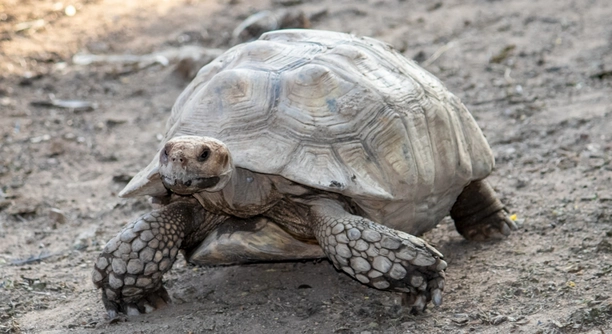
Tortoises are calm creatures, but they can experience anxiety, just like any other pet. Understanding the signs of stress can help ensure their well-being and prevent unnecessary harm. Recognizing these behaviors is essential for proper care.
An anxious tortoise may exhibit signs such as excessive hiding, lack of appetite, or rapid movements. These behaviors are often stress responses due to changes in environment, diet, or routine. Observing these signs helps address anxiety early.
Recognizing anxiety in your tortoise is important for its health. Understanding these signs will help you create a calm environment that promotes comfort and security.
Excessive Hiding: A Clear Sign of Stress
Tortoises are naturally solitary animals, but if they start hiding more than usual, it could indicate anxiety. When feeling stressed, a tortoise will often retreat to its shell or find a secluded area. This behavior is a protective response, signaling that they are trying to cope with overwhelming surroundings. Changes in temperature, light, or habitat can trigger these reactions, causing them to seek refuge more frequently. It’s crucial to observe the environment closely for any shifts that may be stressing your tortoise out. Proper temperature, lighting, and habitat size can reduce these triggers, helping your pet feel secure.
Hiding is a way tortoises deal with stress. They may also become less active, staying hidden for extended periods. If your tortoise is hiding excessively, it’s important to evaluate its environment and remove potential stressors. Creating a peaceful space will help your pet feel more at ease.
If hiding becomes persistent, it might be time to examine your tortoise’s surroundings. Check for anything that could be disrupting their sense of security. It could be a sign of an issue that needs to be addressed, such as too much noise, the presence of other pets, or even a change in the season. A stable, quiet, and well-maintained environment is key to preventing unnecessary anxiety.
Loss of Appetite: An Indication of Stress
Tortoises may lose interest in food when feeling stressed or anxious. When anxious, they may refuse to eat for extended periods.
Stress can result from a variety of factors, including a disrupted feeding schedule or an environment that’s too hot or too cold. A sudden change in diet may also cause anxiety. Keep a consistent routine to help your tortoise feel secure. If the loss of appetite persists, it could lead to further health complications, including weakness or dehydration. Ensure that the diet provided is nutritionally balanced and in line with your tortoise’s natural needs. Keeping feeding times regular can encourage your tortoise to eat and maintain its energy levels.
If your tortoise isn’t eating, it’s essential to find the root cause. Pay attention to changes in its environment, such as temperature fluctuations or stress from handling. Making necessary adjustments will help restore their appetite and well-being.
Excessive Movement and Agitation
When a tortoise begins pacing or making rapid movements, it’s often a sign of stress. An anxious tortoise might frantically move around its enclosure, searching for an escape or a more comfortable spot. This behavior indicates that something in its environment is triggering discomfort, such as overcrowding or disturbances.
Excessive movement is an attempt by the tortoise to find relief or to escape from perceived threats. If the enclosure is too small, the lack of space can cause restlessness and anxiety. Even noisy surroundings or changes in lighting can make your tortoise feel uneasy. It’s important to create a peaceful environment with enough room for your tortoise to roam freely.
Keep in mind that tortoises are creatures of habit and prefer familiar surroundings. If they feel something is off, their behavior can change drastically. Minimizing stressors, maintaining a steady routine, and giving them ample space are essential to calming their nerves. Pay attention to their movements, and consider rearranging their space to provide more comfort.
Changes in Shell or Skin Appearance
Changes in a tortoise’s shell or skin can sometimes be linked to stress. This may manifest as unusual discoloration or shedding, which can be a sign of anxiety or improper care.
Stress affects tortoises both physically and emotionally. Environmental factors, such as humidity levels or temperature, can contribute to unhealthy shell growth or shedding issues. Dry, cold, or overly humid conditions can also lead to skin problems, which may cause further distress. Stress may also cause your tortoise to become less active, which can exacerbate these physical changes.
Ensuring that the habitat has the right temperature, humidity, and proper care routine is vital. A well-maintained enclosure encourages a healthy shell and skin. A stressed tortoise may not have the energy to bask or hydrate properly, which can impact its health. Regular shell inspections and a proper diet are essential to maintaining overall health.
Avoidance of Social Interaction
A tortoise that is feeling anxious may avoid interaction with others, including its owner. Normally, tortoises can be curious and even enjoy mild contact, but stress can cause them to withdraw.
If your tortoise is hiding from you or other animals, it’s a sign of anxiety. Stressful situations, such as loud noises or unfamiliar pets, may trigger this avoidance behavior. In addition, handling your tortoise too often or in ways that make it feel threatened can also cause it to retreat. Giving your tortoise space and allowing it to come to you on its own terms is important for building trust.
Changes in Breathing or Activity Level
Stress can affect a tortoise’s breathing and activity. An anxious tortoise may start breathing more heavily or less frequently, as its body reacts to its heightened state. You may also notice that your tortoise becomes more lethargic or less mobile than usual.
Changes in activity can be related to either physical or emotional stress. If your tortoise is normally active and suddenly becomes sluggish, it’s a red flag. It could be a sign of both stress and possible illness. Ensure that its enclosure is comfortable and that it is receiving proper nutrition. A quiet, stress-free environment will help maintain your tortoise’s normal breathing patterns and activity levels.
Aggressive or Defensive Behavior
In certain situations, stress can lead to aggressive behavior in tortoises. They may bite, try to snap at their owner, or become defensive when approached. An anxious tortoise might react aggressively to perceived threats, even if it is usually docile.
This behavior can occur when your tortoise feels cornered, frightened, or overstimulated. It’s essential to respect their space and avoid aggressive handling. Overcrowding in the enclosure or the presence of unfamiliar animals can cause stress, leading to a defensive response. Reassessing the environment and reducing potential stress factors can help your tortoise feel more secure and less reactive.
FAQ
What are the most common signs of anxiety in tortoises?
The most common signs of anxiety in tortoises include excessive hiding, loss of appetite, rapid or restless movement, and avoidance of social interaction. If a tortoise is spending more time in its shell or not eating as much as usual, it could be experiencing stress. Similarly, excessive pacing or changes in breathing or activity levels are other indicators that something might be off.
How can I reduce stress for my tortoise?
To reduce stress, ensure your tortoise’s environment is stable and comfortable. Maintain a consistent temperature, humidity level, and lighting. Provide enough space for your tortoise to roam and hide if needed. Keep the enclosure clean and free of disturbances. Avoid frequent handling, as this can cause stress, especially if your tortoise isn’t used to it.
Can a tortoise become stressed from being too hot or too cold?
Yes, temperature extremes can cause stress in tortoises. If the enclosure is too hot or too cold, your tortoise may become anxious and display behaviors like hiding or avoiding food. It’s essential to provide a temperature gradient in their enclosure so they can move to warmer or cooler spots as needed. A heat source like a basking lamp is crucial for thermoregulation.
Is it normal for a tortoise to stop eating?
It is normal for a tortoise to lose interest in food occasionally, but if it lasts for an extended period, it could be a sign of stress. Changes in diet, environment, or routine can affect a tortoise’s appetite. If your tortoise is refusing food for more than a few days, check the habitat for stressors and ensure that the food being offered is appropriate and fresh.
Can handling my tortoise too much cause stress?
Yes, excessive handling can cause stress, especially if it is done improperly or too frequently. Tortoises prefer to have control over their environment and will often retreat into their shell if they feel threatened. Limit handling to short, calm sessions and allow your tortoise time to adjust and become familiar with you. Be patient and respect its space.
What should I do if my tortoise shows signs of aggression?
If your tortoise is showing signs of aggression, such as biting or snapping, it’s important to give it some space. Aggression often arises from feeling threatened or stressed. Ensure the enclosure is large enough and free of stressors, and avoid forcing interactions. If aggressive behavior persists, consider consulting a veterinarian to rule out underlying health issues or seek advice on handling techniques.
Can loud noises stress my tortoise?
Yes, loud or sudden noises can cause stress for your tortoise. They are sensitive to vibrations and sounds in their environment. If the area around their enclosure is too noisy, it may cause anxiety. Consider placing their habitat in a quieter, more peaceful location, away from loud noises like music or household activity.
How can I tell if my tortoise is too hot or too cold?
A tortoise that is too hot may exhibit behaviors like excessive panting, seeking cooler areas, or becoming lethargic. On the other hand, a tortoise that is too cold may try to hibernate, become sluggish, or stop eating. If you notice either of these behaviors, check the temperature in the enclosure and adjust the heat source accordingly to keep the habitat within the optimal range.
What type of substrate is best for a tortoise enclosure?
The best substrate for a tortoise enclosure depends on the species, but generally, a mixture of coconut coir, hay, and organic soil works well. It allows for burrowing and helps maintain humidity. Avoid using sandy or gravel-based substrates, as they can cause respiratory issues or digestive problems if ingested. Keep the substrate clean and dry to prevent bacterial growth.
Can other pets in the house cause stress to my tortoise?
Yes, the presence of other pets, especially more active animals like dogs or cats, can cause stress for your tortoise. They might view these pets as threats, which can lead to hiding or defensive behavior. Keep other pets away from the tortoise’s enclosure to provide a calm environment. If you need to interact with both pets, do so in separate, safe spaces.
How often should I check on my tortoise’s health?
It’s essential to check on your tortoise’s health regularly. Look for signs of weight loss, shell abnormalities, or changes in activity levels. Regular checkups will help you spot early signs of stress or illness. In addition to visual checks, ensure that your tortoise’s diet remains balanced, and its environment is properly maintained. If you notice significant changes, a vet visit is recommended.
Can tortoises show stress due to changes in their environment?
Yes, tortoises are sensitive to changes in their environment. A new enclosure, changes in routine, or the introduction of unfamiliar objects or animals can all cause stress. When setting up a new habitat, make sure it’s as similar as possible to the previous environment, especially regarding temperature, humidity, and available space.
Should I provide water for my tortoise?
Yes, tortoises need access to clean, fresh water at all times. Dehydration can lead to stress and health issues. Make sure your tortoise can drink from a shallow dish or water feature in its enclosure. Some species may also benefit from regular baths to help with hydration, especially in dry environments.
What signs indicate that my tortoise is experiencing extreme stress?
Extreme stress in a tortoise can show up in several ways, including a complete loss of appetite, excessive hiding, rapid or shallow breathing, and sudden aggression. If your tortoise is showing any of these signs, it’s important to assess the situation quickly and make adjustments to its habitat, diet, or routine. Long-term stress can lead to serious health problems, so addressing the cause is essential.
Final Thoughts
Understanding the signs of anxiety in tortoises is crucial for ensuring their well-being. Tortoises are sensitive creatures that rely on a stable, comfortable environment to thrive. When they become stressed, it can lead to changes in behavior, appetite, and overall health. Identifying these signs early allows for quick intervention, which can prevent long-term problems. The more you observe your tortoise, the easier it will be to spot changes in their behavior and address any stressors.
Providing the right habitat, proper care, and reducing stress triggers can help your tortoise feel secure. A stable temperature, proper humidity, and sufficient space are essential factors in creating an ideal environment. Reducing external disruptions, like loud noises or the presence of other pets, can also make a significant difference. Regularly checking on your tortoise’s health and behavior helps you to stay ahead of any issues. Remember, tortoises thrive in predictable, calm environments, and creating this kind of setting is often the best way to prevent anxiety.
Ultimately, taking a proactive approach to your tortoise’s health and well-being is the most effective way to avoid anxiety-related problems. While some level of stress is unavoidable, it is important to minimize it as much as possible. By maintaining a healthy routine, providing proper care, and staying alert to signs of distress, you can help ensure that your tortoise leads a happy, healthy life.

Hello,
If you enjoy the content that we create, please consider saying a "Thank You!" by leaving a tip.
Every little bit helps us continue crafting quality advice that supports the health, happiness, and well-being of pets around the world, for pets of all shapes, sizes, and species.
We really appreciate the kindness and support that you show us!