
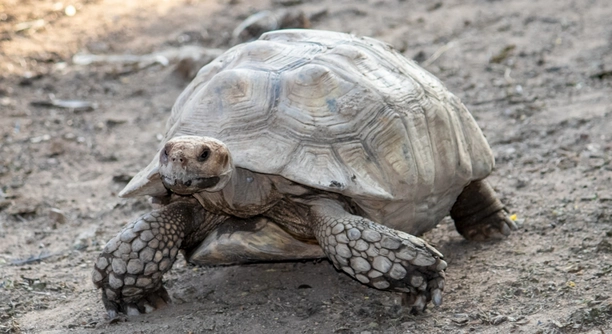
Tortoises are known for their curious digging behavior, often leaving holes in their enclosure. This activity can be puzzling for many owners. Understanding why your tortoise digs may help you address its needs and ensure its well-being.
The primary reason your tortoise digs is related to its natural instincts. Tortoises dig for various purposes such as nesting, seeking shelter, or regulating body temperature. This behavior is typical and often reflects the tortoise’s attempt to feel secure.
By identifying the cause behind the digging, you can better manage the behavior and provide a more comfortable environment.
Natural Instincts: Why Tortoises Dig
Tortoises are driven by instincts, and digging is a fundamental part of their behavior. In the wild, they dig to create burrows for shelter, find food, or maintain a comfortable temperature. When kept as pets, they may dig to replicate these behaviors. Even if your tortoise has access to a well-maintained enclosure, it may still dig for these same reasons. This natural instinct helps them feel safe and secure in their environment.
Sometimes, digging can be a response to stress or a lack of stimulation. If the enclosure feels too small or lacks hiding spots, your tortoise might resort to digging. It’s important to observe your pet’s behavior and make adjustments to its habitat if needed.
To prevent excessive digging, ensure your tortoise’s enclosure is spacious with hiding spots and different temperature zones. A larger area allows your tortoise to express itself without feeling restricted. Adding items like logs or rocks can also provide enrichment and reduce unwanted digging.
Temperature Regulation and Digging Behavior
Tortoises dig to maintain optimal body temperature. By digging into the substrate, they find cooler or warmer areas to regulate their body heat. This is especially true in outdoor enclosures where temperatures can vary. It’s essential to create a habitat with varying temperature zones to allow your tortoise to control its environment naturally.
If your tortoise is constantly digging, consider checking the temperature gradient in its enclosure. Ensure that there are warm spots for basking and cooler areas for resting. A temperature-controlled environment mimics the conditions tortoises would experience in the wild, encouraging natural behaviors.
Proper temperature control reduces stress and promotes overall health. Tortoises rely on external heat sources to regulate their body temperature. Without adequate temperature control, your tortoise may dig excessively, which can indicate discomfort or an inability to regulate its heat.
Nesting Behavior
Digging is a common part of nesting behavior in female tortoises. When ready to lay eggs, a tortoise will often dig to create a safe spot for egg deposition. This behavior is instinctual and crucial for ensuring that the eggs are safely laid in a secure environment.
If your female tortoise is of breeding age, you might notice an increase in digging activity, especially if the enclosure has no nesting area. Providing a designated nesting site with deeper substrate can help her fulfill this natural need. This area should be separate from regular living spaces to give her privacy and comfort.
The presence of an appropriate nesting site will reduce stress, helping the tortoise focus on laying eggs. It’s important to keep the substrate moist but not overly wet. This mimics the conditions tortoises experience in the wild and encourages more natural behaviors. If the digging persists, she might need additional environmental changes, such as more space or temperature adjustments.
Boredom and Stress
Tortoises can start digging out of boredom or stress. A lack of stimulation, especially in a small or unvaried habitat, may cause your pet to dig. Offering variety in the form of new objects or space may reduce unwanted behaviors.
The more interactive the environment, the less likely your tortoise is to dig excessively. This can include adding natural hiding spots, climbing structures, or even other tortoises for social interaction. Environmental enrichment helps prevent digging as a response to stress. Try observing when your tortoise is digging most frequently to pinpoint triggers like lack of interaction or overcrowding.
Boredom can also be exacerbated by insufficient exercise opportunities. Ensure your tortoise has space to move around and explore. Regular outdoor time in a safe, enclosed area can keep your tortoise mentally stimulated and content. By offering more natural stimuli, you help prevent behaviors like excessive digging, allowing your tortoise to thrive in a more balanced, enriched environment.
Overcrowding
Overcrowded enclosures can lead to stress and trigger digging. If your tortoise feels cramped, it may resort to digging in search of more space. Overcrowding restricts movement and can lead to heightened anxiety, which manifests as digging behavior.
If your tortoise’s space feels limited, it’s time to reassess the enclosure size. A larger area will allow for more natural movement and reduce the urge to dig. Inadequate space can also lead to territorial behavior, which may encourage digging as your tortoise tries to establish boundaries.
A spacious environment mimics natural conditions, offering freedom of movement and an increased sense of security. This allows your tortoise to express itself without frustration, reducing the frequency of digging. Consider upgrading the enclosure if you notice your pet consistently trying to dig through barriers.
Substrate Choice
The type of substrate in your tortoise’s enclosure can significantly impact digging behavior. Some substrates, like loose soil or sand, encourage digging because they feel more natural to your tortoise. Choose a substrate that mimics the wild environment while being safe for your pet.
A suitable substrate promotes natural behavior and ensures the comfort of your tortoise. Materials like coconut fiber, shredded paper, or leaf litter are good options. Avoid substrates that may be too dusty or harmful when ingested. The right texture and depth will allow your tortoise to dig safely and comfortably.
Health Issues
Digging can sometimes be a sign of health issues. If your tortoise is digging excessively, it could be due to discomfort caused by parasites or other health concerns. Monitor for signs of illness, such as changes in appetite or behavior.
A visit to the vet can help rule out any underlying health problems. If your tortoise is stressed or digging excessively, it may be related to discomfort, which could stem from something as simple as dehydration or more complex health issues. Addressing these early can prevent further behavioral problems.
FAQ
Why is my tortoise digging so much?
Tortoises dig for several reasons, including nesting, temperature regulation, boredom, or even stress. It’s important to observe your tortoise’s behavior and environment. If it’s a female tortoise, digging might indicate the need for a nesting area. A lack of stimulation or an overcrowded enclosure could also contribute to excessive digging. Additionally, if the digging is persistent or unusual, it could be a sign of health concerns.
How can I stop my tortoise from digging?
If your tortoise is digging excessively, first check its environment. Ensure it has enough space, hiding spots, and temperature variation. Providing a deeper substrate for nesting or temperature regulation can reduce digging. Enrichment activities like outdoor time, objects to climb on, or new plants may also help. Ensure your tortoise is not overcrowded and has access to appropriate nutrition and hydration.
Is digging normal for tortoises?
Yes, digging is a normal and instinctual behavior for tortoises. In the wild, tortoises dig to create burrows for protection, regulate their body temperature, and search for food. Even in captivity, tortoises retain these instincts. However, excessive digging may indicate an environmental or health issue that needs attention.
Can stress cause a tortoise to dig?
Yes, stress can lead to digging. Factors such as overcrowding, inadequate space, lack of environmental enrichment, or changes in routine can cause stress. A stressed tortoise might dig more frequently to cope with the discomfort. It’s essential to create a calm and stimulating environment to help reduce stress and prevent excessive digging.
How do I create a proper nesting area for my tortoise?
If your tortoise is a female, a proper nesting area is essential for egg-laying. Choose a secluded spot within the enclosure, ideally with a deep, loose substrate like soil or sand. The substrate should be damp but not wet to mimic natural conditions. Providing a privacy area will help reduce stress during the nesting process.
How can I tell if my tortoise is digging due to health problems?
Excessive digging can sometimes be linked to health issues like discomfort, parasites, or dehydration. If your tortoise is digging more than usual and showing other signs of illness, such as lethargy, loss of appetite, or changes in behavior, it’s important to consult a veterinarian. Digging as a response to health issues often accompanies other physical symptoms.
Should I worry if my tortoise digs during the night?
It’s common for tortoises to dig during the night, especially if their enclosure is cooler or darker. Tortoises are crepuscular animals, meaning they are most active during dawn and dusk, and some may dig more during these times. As long as your tortoise is not showing signs of stress or illness, nighttime digging is usually not a cause for concern.
Can I stop my tortoise from digging altogether?
It’s not possible or advisable to stop a tortoise from digging entirely, as it’s a natural behavior. However, you can manage excessive digging by ensuring your tortoise’s environment is comfortable and enriching. Adequate space, appropriate substrate, and proper temperature regulation can help minimize unnecessary digging. If the digging is becoming problematic, examine your tortoise’s habitat and make adjustments to address its needs.
What is the best substrate for tortoises that dig?
For tortoises that dig, the best substrates are those that mimic their natural environment. Loose, sandy soil or a mixture of soil and coconut fiber works well. The substrate should be deep enough for digging and should maintain moisture without becoming too wet. Avoid using substrates that may be harmful if ingested, like small pebbles or pine shavings.
Can digging be a sign of boredom in my tortoise?
Yes, boredom is a common reason for digging. If your tortoise doesn’t have enough enrichment or stimulation in its environment, it may start digging to relieve stress or pass the time. Ensuring that your tortoise has a larger enclosure, access to safe objects to explore, and outdoor time can help alleviate boredom and reduce digging behavior.
How do I prevent my tortoise from digging up its food?
Tortoises may dig around their food for several reasons, like trying to bury it or find more food. To prevent this, make sure your tortoise’s food is provided in a stable, designated spot. Using a food dish or placing food on a flat surface helps keep it in place. If digging is due to a lack of food variety or proper diet, adjusting its meals can reduce this behavior.
Can I provide my tortoise with more space to reduce digging?
Yes, providing more space is one of the most effective ways to reduce digging. A larger enclosure allows for more freedom of movement and better temperature regulation, both of which can reduce the need for digging. A spacious enclosure can also give your tortoise room to explore and engage in other behaviors that are more natural, reducing stress and boredom.
Is digging a sign that my tortoise is unhappy?
Digging isn’t necessarily a sign that your tortoise is unhappy. It’s a natural behavior, but if your tortoise is digging excessively or in unusual patterns, it could indicate stress or discomfort. Ensuring your tortoise’s enclosure is appropriately sized, enriched, and properly temperature-controlled can help reduce any negative impact on its well-being.
Final Thoughts
Understanding why your tortoise digs can help you provide a better environment for it. Digging is a natural behavior, and for most tortoises, it’s an instinctive action linked to their survival in the wild. Whether it’s nesting, regulating temperature, or seeking food, digging serves a purpose. However, when it becomes excessive or problematic, it’s important to evaluate factors such as space, substrate, and stressors within the enclosure. Observing your tortoise’s behavior and environment can help identify whether the digging is normal or if adjustments are needed.
Ensuring your tortoise has a comfortable, spacious enclosure is key. A lack of space can lead to boredom, frustration, and stress, which often result in digging. Providing more room for movement and exploration allows your tortoise to exhibit more natural behaviors. Also, paying attention to the type of substrate you use can significantly affect your tortoise’s digging habits. A deep, loose, and safe substrate like soil or coconut fiber helps provide a more natural setting, allowing your tortoise to dig in a healthy way. Adding items to climb on or hiding places can also give your tortoise more to explore and reduce the chances of it digging out of boredom.
If your tortoise’s digging continues despite changes to its environment, it’s essential to monitor for signs of illness. Digging may sometimes be linked to discomfort, such as dehydration, parasites, or other health concerns. In these cases, it’s crucial to seek professional advice from a veterinarian. Regular check-ups can ensure your tortoise stays healthy and comfortable. By creating an enriching and well-maintained habitat, you can minimize unwanted digging behaviors and provide your tortoise with a safe and fulfilling environment.

Hello,
If you enjoy the content that we create, please consider saying a "Thank You!" by leaving a tip.
Every little bit helps us continue crafting quality advice that supports the health, happiness, and well-being of pets around the world, for pets of all shapes, sizes, and species.
We really appreciate the kindness and support that you show us!