
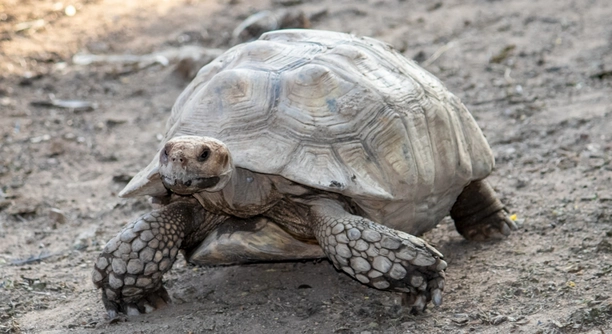
Tortoises are fascinating creatures, each with their own unique behavior. Sometimes, you might notice your tortoise tapping its beak on things. This behavior can be curious, but it is often related to natural instincts or health concerns.
Tortoises may tap their beaks on objects due to a variety of reasons, including stress, boredom, or a physical issue like beak overgrowth. Understanding the root cause can help in addressing the behavior effectively and ensuring their well-being.
Understanding the reasons behind this behavior will help you identify the best course of action to support your tortoise’s health.
Stress or Anxiety
Stress is one of the most common reasons for tortoises to tap their beaks on objects. Tortoises are sensitive creatures, and changes in their environment can cause them to feel anxious. For example, a new habitat, loud noises, or the presence of other animals may cause your tortoise to tap its beak repeatedly. When a tortoise feels threatened or uncomfortable, tapping its beak can be a coping mechanism. This behavior is similar to how some animals pace or show repetitive movements when stressed.
If you notice this behavior, check for any factors that might be unsettling your tortoise. Try to provide a calm, quiet environment with plenty of space. Avoid sudden changes to their habitat, and ensure the temperature and humidity are at ideal levels. Creating a routine can also help your tortoise feel more secure. With time and consistency, stress-related tapping may reduce or stop entirely.
Managing stress is essential for your tortoise’s well-being. Providing a safe space and limiting disturbances can lead to a healthier, happier tortoise.
Beak Overgrowth
If your tortoise’s beak grows too long, it may begin tapping or rubbing it on objects in an attempt to trim it down. Beak overgrowth can happen naturally, but it can also result from a poor diet or insufficient opportunities for natural beak-wear.
To prevent this, ensure your tortoise is eating the right food, such as fibrous plants that help keep the beak properly worn down. You can also provide rough surfaces like rocks or logs for your tortoise to rub its beak against. Regularly check the condition of the beak to make sure it remains in a healthy state.
Proper care can keep your tortoise’s beak from becoming overgrown and prevent discomfort.
Boredom
Tortoises need mental stimulation, just like they need physical activity. If they don’t have enough to do, they may tap their beaks on things out of boredom. This repetitive behavior helps them expend energy and pass the time.
To prevent this, offer your tortoise enrichment activities. You can place new items in their enclosure, such as different types of plants, logs, or even toys that encourage exploration. Ensure they have enough space to move around, as a lack of room can lead to frustration. Regularly change their environment to keep them engaged.
A well-stimulated tortoise is less likely to resort to tapping as a form of boredom relief. Keep them active with fresh, interesting challenges.
Illness or Discomfort
Sometimes, beak tapping can signal that your tortoise is in pain or discomfort. This could be related to a physical injury, such as a sore beak, or an internal issue, like digestive discomfort. Watch for other signs of illness, such as changes in appetite, behavior, or movement.
If you suspect an injury or illness, it’s important to seek veterinary care. A vet can perform a thorough examination to determine if there’s an underlying health issue. Early detection and treatment can prevent more serious problems from developing.
Beak tapping is not always a harmless behavior; it may indicate your tortoise is not feeling well. Addressing potential health issues early on can help ensure a faster recovery.
Natural Behavior
Tortoises may tap their beaks as part of their natural behavior. In the wild, they may tap objects while foraging or exploring their surroundings. This can be a way of investigating their environment, similar to how they might use their legs or head to push things around.
If this behavior seems to be a normal part of your tortoise’s exploration, there is no need for concern. However, if the tapping becomes excessive or is accompanied by other signs of distress, it may be worth looking into further. Sometimes, repetitive behavior can indicate discomfort or boredom.
Understanding your tortoise’s natural instincts can help you distinguish between normal behaviors and those that may need attention.
Lack of Proper Diet
A poor diet can lead to several health issues, including beak problems that may result in tapping. If your tortoise isn’t getting the proper nutrients, it might begin using its beak more often to tap objects. This is often a sign of frustration or an attempt to trim its overgrown beak.
Make sure your tortoise’s diet includes the right balance of vegetables, fiber, and calcium. A lack of these nutrients can lead to health issues, including soft or improperly shaped beaks. Offering a varied diet will also keep your tortoise physically and mentally healthy, reducing unwanted behaviors.
A well-balanced diet is key to preventing unnecessary beak tapping.
FAQ
Why does my tortoise tap its beak on the glass?
Tortoises may tap their beak on glass as a sign of curiosity or frustration. In captivity, this is a common behavior when they see something outside the enclosure but can’t reach it. They may also tap the glass because they are looking for a way out or seeking attention. It’s important to ensure that the enclosure provides everything your tortoise needs so it doesn’t feel trapped or stressed. Giving your tortoise opportunities to explore and providing enrichment can help reduce this behavior.
Can stress cause my tortoise to tap its beak on objects?
Yes, stress is one of the main causes of beak tapping. When a tortoise feels anxious, whether due to changes in its environment or lack of space, it might tap its beak on objects. This repetitive behavior helps them release built-up tension. Ensuring your tortoise’s environment is calm and stable, and that it has plenty of room to move around, can help reduce this behavior.
Is beak tapping always a sign of illness?
No, not necessarily. Beak tapping can also be linked to stress, boredom, or natural exploration behavior. However, if your tortoise is tapping its beak excessively, showing signs of discomfort, or displaying changes in appetite, activity levels, or posture, it may be an indication of illness. Always monitor other behaviors and consult with a vet if you suspect something more serious.
How can I tell if my tortoise’s beak is overgrown?
An overgrown beak can appear longer than usual or may have an irregular shape. If the beak looks excessively long or has sharp edges, it may not be naturally wearing down and could lead to discomfort. Inspect your tortoise’s beak regularly, and if you notice any issues, a visit to the vet can help determine if trimming or further treatment is necessary.
What should I do if my tortoise is tapping its beak because of boredom?
If your tortoise is tapping its beak out of boredom, it’s a sign that it needs more mental stimulation and environmental enrichment. Offer a variety of safe toys, plants, and obstacles for your tortoise to interact with. Providing a larger enclosure or changing its environment can also make a big difference. A stimulated tortoise is less likely to engage in repetitive behaviors like beak tapping.
Can diet affect beak tapping behavior?
Yes, diet plays a crucial role in the health of your tortoise’s beak. A poor diet, especially one lacking in essential nutrients like calcium, can lead to beak issues, such as overgrowth or softness. Ensure your tortoise has a well-balanced diet that includes a variety of leafy greens, vegetables, and supplements to maintain overall health, including the condition of its beak.
How can I tell if my tortoise is tapping its beak due to an injury?
If your tortoise is tapping its beak due to an injury, you might notice swelling, bleeding, or other signs of trauma around the beak. It could also display more signs of pain, like a lack of appetite or unusual behavior. If there is any concern about injury, it’s important to consult with a veterinarian for an examination and potential treatment.
Should I worry if my tortoise taps its beak on the ground frequently?
Tapping the beak on the ground can be a normal part of your tortoise’s exploration or foraging behavior. However, if the tapping becomes excessive or if it appears to cause discomfort, it could indicate that your tortoise is trying to wear down its beak or is experiencing discomfort. Ensure your tortoise has enough space and objects to interact with to help with natural wear.
What is the best way to prevent beak tapping?
Preventing beak tapping starts with addressing the potential causes: stress, boredom, and beak health. Provide a stable and quiet environment, offer plenty of space, and keep your tortoise mentally stimulated. Regularly check its beak for signs of overgrowth or other issues and ensure it’s on a balanced, nutrient-rich diet to maintain optimal health.
Can beak tapping be a sign of mating behavior?
Beak tapping can sometimes be part of mating behavior, particularly in certain species of tortoises. Male tortoises may tap their beaks to show interest in a female, or it could be part of their natural courtship rituals. If your tortoise is tapping its beak and displaying other mating-related behaviors, this could be the cause. However, if you are unsure, consulting a vet can help confirm the cause.
Does the type of tortoise affect beak tapping behavior?
Yes, different species of tortoises may exhibit different behaviors when it comes to beak tapping. For example, some species are naturally more curious and may tap their beaks more frequently. Other species may be more prone to tapping due to stress or health issues. Understanding the behavior of your specific tortoise species can help you determine if the tapping is normal or needs attention.
Final Thoughts
Beak tapping in tortoises is generally not a cause for immediate concern. It is often a natural behavior linked to curiosity, exploration, or even a way to communicate with their environment. However, it can sometimes signal stress, boredom, or health issues that need attention. If your tortoise taps its beak occasionally, there is likely no need to worry, as it is a common behavior among tortoises. Keeping an eye on your tortoise and observing any other changes in its behavior will help you determine whether it is a normal part of its routine or something that needs more attention.
If your tortoise seems to be tapping its beak excessively or in a way that causes concern, there are a few things you can do. First, check its living conditions. Make sure the enclosure is large enough, safe, and stimulating. A lack of space or enrichment can cause stress and lead to repetitive behaviors like beak tapping. Offering a variety of objects to interact with, such as rocks or plants, and even changing the layout of the enclosure can help reduce boredom. Additionally, make sure your tortoise has a well-balanced diet with all the necessary nutrients, including calcium, to ensure its beak remains healthy.
If tapping becomes constant or is accompanied by other signs, such as changes in appetite or behavior, it may be worth consulting a veterinarian. They can check for any underlying health problems, such as an overgrown beak, an injury, or other issues that might be causing discomfort. Regular health checks and a proper diet can prevent many common health concerns. By paying attention to these factors, you can help ensure that your tortoise remains healthy, happy, and free from stress, allowing it to live a long and fulfilling life.

Hello,
If you enjoy the content that we create, please consider saying a "Thank You!" by leaving a tip.
Every little bit helps us continue crafting quality advice that supports the health, happiness, and well-being of pets around the world, for pets of all shapes, sizes, and species.
We really appreciate the kindness and support that you show us!