
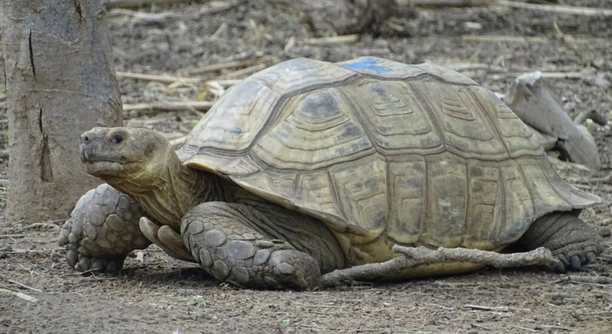
Tortoises are gentle creatures that thrive on a balanced diet. However, just like humans, their nutritional needs can change over time. If your tortoise isn’t looking or feeling its best, it may be time to consider their diet.
A sudden weight gain, lack of energy, or digestive issues are common signs that your tortoise might need a diet change. Adjusting their food can help improve their overall health and well-being, making them feel more comfortable and active.
Small changes to your tortoise’s diet can have a big impact. We’ll take a closer look at how to spot the signs that indicate your tortoise might need some dietary adjustments.
1. Weight Gain or Loss
If you notice your tortoise is gaining or losing weight without any obvious reason, it could be a sign that their diet isn’t right. Weight changes can be caused by overfeeding or underfeeding, both of which can affect your tortoise’s overall health. It’s essential to monitor your tortoise’s weight and eating habits regularly.
Sometimes, a tortoise can gain weight if they are eating too many high-calcium foods or foods with high-fat content. On the other hand, losing weight could signal they aren’t getting enough food or are having difficulty digesting their meals. It’s important to offer them a variety of foods and adjust portions as needed.
Proper diet adjustments can help keep your tortoise in a healthy weight range. Adding fresh vegetables and cutting back on treats like fruits will make a noticeable difference. A balanced diet is essential for avoiding obesity and malnutrition. Be sure to adjust their meals based on the species and age of your tortoise. Regular check-ups with your vet are helpful to keep track of changes in their diet and health.
2. Decreased Energy Levels
When your tortoise is not as active or energetic as usual, it could be a sign that their diet isn’t providing the necessary nutrients.
Poor energy levels often indicate a lack of proper vitamins or minerals. For example, tortoises need a diet high in fiber to stay active and healthy. Without enough fiber, they may become lethargic or avoid moving around as much.
If your tortoise is sluggish, consider increasing their intake of leafy greens like dandelion greens and adding more fibrous plants such as hay. Over time, these dietary changes can help bring their energy levels back to normal. You can also make sure they are getting enough calcium for strong bones, which may also affect how active they are.
3. Changes in Stool
If your tortoise’s stool is consistently soft, runny, or overly dry, it might be a sign of diet issues. The consistency of their stool can reveal a lot about their health and nutrition.
Overfeeding certain foods, such as high-water fruits, can cause diarrhea, while lack of fiber can lead to dry, hard stools. Both extremes are harmful and should be addressed. Make sure your tortoise has a balanced amount of leafy greens, veggies, and fiber-rich plants to maintain regular bowel movements. Monitor how they react to food changes and keep an eye on their stool to see if improvements are needed.
If changes in diet don’t help improve their stool, consult a vet to rule out other underlying health conditions. An imbalance in gut bacteria could also be a factor. Ensuring that your tortoise receives proper hydration and variety in their diet is crucial for their digestive health.
4. Lack of Appetite
If your tortoise refuses to eat or shows disinterest in food, it could indicate that their diet is not meeting their needs. A sudden loss of appetite is often a red flag.
A variety of factors can affect your tortoise’s appetite, from boredom with the food offered to a lack of proper nutrients. It’s important to rotate foods and offer different options to keep them interested. If they are consistently turning down food, it might be time to reassess their diet. Consider adding foods high in fiber and calcium to keep them healthy and satisfied.
A lack of appetite can also be a sign of illness, so monitor other symptoms such as lethargy or changes in behavior. If food refusal persists for more than a few days, it’s best to consult a vet to rule out any health concerns. A well-balanced diet not only supports your tortoise’s appetite but also contributes to their overall well-being.
5. Shell Deformities
If you notice any changes to your tortoise’s shell, such as softening, deformities, or unusual shapes, it may be related to an improper diet. A healthy shell requires the right nutrients.
A calcium deficiency is often a key factor in shell deformities. Tortoises need a balanced amount of calcium and vitamin D3 to maintain a hard, healthy shell. Without these, their shell can become soft and weak, putting them at risk of injury. Make sure your tortoise’s diet includes calcium-rich foods like leafy greens, and offer a calcium supplement if necessary.
In addition to calcium, too much phosphorus in their diet can prevent proper calcium absorption. Ensuring that the calcium-to-phosphorus ratio in their food is correct will help keep their shell strong and prevent deformities.
6. Poor Skin Condition
Tortoises can suffer from poor skin health due to a lack of vitamins or dehydration. Dry, flaky, or cracked skin often points to diet issues.
Providing enough hydration and the right vitamins can help restore your tortoise’s skin condition. Adding vitamin A-rich foods like dark leafy greens and carrots can support skin health. Regularly offering water and maintaining humidity levels in their environment also helps prevent dehydration, which is another cause of skin problems.
If the skin condition doesn’t improve with dietary adjustments, a visit to the vet is recommended to rule out any infections or other underlying health issues.
FAQ
What should I feed my tortoise to maintain a healthy diet?
A healthy tortoise diet includes a variety of leafy greens such as dandelion greens, collard greens, and mustard greens. These vegetables are high in fiber and essential nutrients. You can also offer edible flowers like hibiscus and marigold. Some tortoises enjoy small amounts of fruits like berries, melons, or apples, but they should not be a regular part of their diet. For protein, certain species may need occasional insects or worms. Avoid feeding them high-fat or high-calcium foods like lettuce and spinach in large quantities, as they can cause imbalances.
How often should I feed my tortoise?
Young tortoises typically need to be fed every day, while adults can be fed every other day. The amount you give should be based on the size of the tortoise and its activity level. Overfeeding can lead to obesity, so it’s important to avoid offering food that is too high in calories. Make sure to remove any uneaten food after a few hours to prevent it from spoiling.
Can I feed my tortoise pellets?
Pellets can be used as a supplement to a fresh diet but should not be the main food source. Many commercially available pellets are fortified with essential nutrients like vitamins and minerals. However, they may not offer the same variety and freshness as live food. If you choose to use pellets, make sure they are specifically designed for tortoises and are not too high in protein. Fresh vegetables should still make up the bulk of their diet.
How can I tell if my tortoise is dehydrated?
Dehydration in tortoises can lead to many health issues. Signs of dehydration include sunken eyes, dry or flaky skin, and a lack of appetite. A dehydrated tortoise may also be less active and sluggish. To help prevent dehydration, provide your tortoise with fresh water daily. Some tortoises also benefit from occasional soaks in shallow water.
What if my tortoise refuses to eat?
If your tortoise refuses food for a prolonged period, it could indicate a diet imbalance, stress, or a health problem. Check if their environment is comfortable and stress-free. Ensure they have access to fresh food and water. If they are still refusing food, consider offering a different variety of foods or supplements. If the problem persists for more than a few days, it’s best to consult a vet.
Can I feed my tortoise fruit every day?
Fruits should be fed in moderation. While they are a source of natural sugars and vitamins, they can be too rich and may cause digestive upset if fed too often. Limit fruit to small amounts, and focus on offering fibrous, leafy greens as the primary part of their diet. Fruit should be considered a treat, not a staple.
What should I do if my tortoise’s shell is soft?
A soft shell is often a sign of calcium deficiency. If you notice your tortoise’s shell is soft or deforming, it’s important to adjust their diet immediately. Ensure they are getting enough calcium-rich foods, such as kale or collard greens. You may also need to provide a calcium supplement. If the problem persists, a vet visit is necessary to address potential metabolic bone disease.
How can I balance the calcium-to-phosphorus ratio in my tortoise’s diet?
Tortoises require a proper calcium-to-phosphorus ratio to maintain bone health. Ideally, the ratio should be 2:1, meaning twice as much calcium as phosphorus. Many leafy greens, such as dandelion greens, have the right balance. Avoid feeding high-phosphorus foods like lettuce or grains in large quantities. Supplements can also help, but they should be used in moderation and only when needed.
How do I know if my tortoise is overweight?
An overweight tortoise may have a round or puffy appearance, especially around the belly and legs. You should be able to feel their ribs easily, but they shouldn’t be too visible. Regularly weigh your tortoise to track its weight and compare it to the average for its species. If your tortoise is overweight, cut back on fatty foods and adjust portion sizes.
Is it necessary to supplement my tortoise’s diet?
While a well-balanced diet of fresh vegetables should provide most of the nutrients your tortoise needs, some species may require additional supplements, such as calcium or vitamin D3. This is especially true for species that don’t get enough sunlight or live indoors. Always consult with a vet before introducing supplements to ensure they’re necessary and properly dosed.
How can I encourage my tortoise to eat a varied diet?
To encourage your tortoise to eat a variety of foods, offer different types of vegetables, leafy greens, and safe edible flowers. Make sure the food is fresh and cut into manageable sizes. You can also try varying the textures of the food by offering it chopped, whole, or shredded. If your tortoise is picky, try offering food at different times of the day.
Should I feed my tortoise commercial food or fresh food?
Fresh food is the best option for tortoises as it provides a natural, varied diet with all the nutrients they need. Commercial foods, such as pellets, can be used as a supplement but should not be the main part of their diet. Always check the label of commercial foods to ensure they are appropriate for your tortoise species.
How much water should my tortoise drink?
Tortoises get most of their hydration from food, but they should always have access to fresh water. Ensure they have a shallow bowl of water they can easily drink from. Some species may need to be soaked regularly in water to help them stay hydrated. If your tortoise seems to be drinking a lot of water or none at all, it could be a sign of an underlying health issue.
What if my tortoise’s skin is peeling or flaking?
Peeling or flaking skin is usually a sign of dehydration or inadequate humidity. Make sure your tortoise has enough access to water and is living in the proper humidity levels. If the skin continues to peel or looks abnormal, it might be related to a nutritional deficiency. Vitamin A deficiencies can cause skin problems, so offering foods rich in this vitamin can help.
Can I feed my tortoise worms or insects?
Some species of tortoises, such as those in the Mediterranean, are herbivores and do not need protein in their diet. However, other species, like box turtles, are omnivorous and can benefit from occasional insects or worms. If you feed insects, make sure they are small and properly sourced to avoid any harmful parasites.
How can I make sure my tortoise is getting enough fiber?
Fiber is crucial for a tortoise’s digestive health. Providing a variety of fibrous plants like grass, hay, and certain leafy greens helps maintain healthy digestion. Avoid feeding soft, low-fiber foods such as lettuce, which can cause digestive problems. Offering hay, such as Timothy hay, is a great way to ensure fiber intake.
Final Thoughts
Maintaining a healthy diet for your tortoise is essential to their overall well-being. Just like any pet, their nutrition directly affects their energy levels, growth, and behavior. A well-balanced diet includes a mix of leafy greens, vegetables, and sometimes fruits. When you pay attention to your tortoise’s eating habits and adjust their diet as needed, it can help them stay healthy and active for years to come. It’s important to remember that not all tortoises have the same dietary needs, so researching your specific species is key.
While dietary changes are important, it’s also essential to consider other factors like proper habitat, regular water intake, and the right temperature. A healthy diet will support their body’s natural functions, but a proper living environment ensures they can digest their food properly. Make sure your tortoise has access to clean water and a suitable environment with enough space to roam. Also, monitor their activity and appearance, such as their shell, skin, and energy levels, to notice if something isn’t quite right.
If you ever notice any unusual behavior, changes in appetite, or health concerns, it’s best to consult a veterinarian who specializes in reptiles. Regular checkups can help identify underlying issues early on and ensure your tortoise’s diet is meeting their needs. With a little attention and care, your tortoise can thrive in a balanced, nutritious environment, leading to a long, happy life.

Hello,
If you enjoy the content that we create, please consider saying a "Thank You!" by leaving a tip.
Every little bit helps us continue crafting quality advice that supports the health, happiness, and well-being of pets around the world, for pets of all shapes, sizes, and species.
We really appreciate the kindness and support that you show us!