
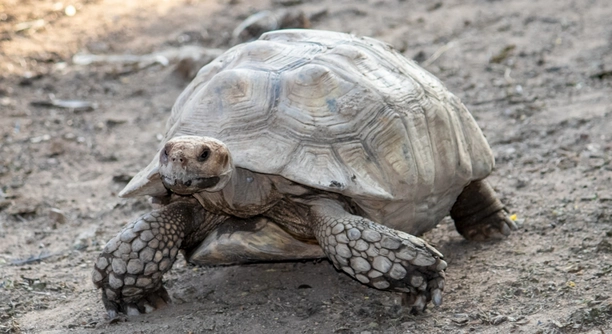
Is your pet tortoise spending most of its time hiding or resting? Tortoises have unique personalities, and interacting with them requires patience and creativity. Understanding their behaviors and preferences can help you build a stronger bond and keep them engaged.
Engaging with your pet tortoise involves gentle handling, providing stimulating environments, and offering food-based interactions. Creating safe outdoor spaces, encouraging exploration, and using enrichment activities can keep them active. Understanding their natural instincts and respecting their pace is essential for fostering a trusting and enriching relationship.
From obstacle courses to hand-feeding, there are many enjoyable ways to connect with your tortoise while ensuring their well-being.
Create an Engaging Outdoor Space
A well-designed outdoor area encourages your tortoise to explore and stay active. Providing a secure enclosure with natural elements like rocks, logs, and shaded spots helps mimic their natural habitat. Adding different textures, such as grass, sand, or flat stones, keeps them engaged and allows them to exercise naturally. Water sources like a shallow dish give them a place to drink and soak. Ensure fencing is high enough to prevent escapes and bury it deep to avoid burrowing underneath. A stimulating outdoor environment encourages movement, helping to maintain their health and well-being.
Supervised outdoor time lets your tortoise experience fresh air while staying safe. It prevents them from wandering too far and keeps them protected from potential dangers like predators or extreme weather conditions. Observing their reactions to different elements also helps you understand their preferences.
Consider adding safe plants like dandelions or hibiscus for snacking. A variety of hiding spots, such as overturned pots or wooden shelters, provides comfort. Large rocks and gentle slopes encourage natural climbing behaviors, helping with muscle development. If space allows, a shallow pond area can serve as a soaking station. By tailoring the space to their needs, you can create an enriching outdoor area that keeps them engaged and healthy.
Offer Food-Based Interactions
Using food as an interactive tool strengthens your bond with your tortoise. Hand-feeding small treats helps build trust and encourages them to approach you willingly. Feeding them at consistent times also helps establish a routine.
Presenting food in different ways stimulates their natural instincts. Placing leafy greens on a flat rock mimics foraging, while hanging vegetables from a safe height encourages them to stretch and reach. Scatter-feeding small pieces across their enclosure keeps them engaged and moving. For added stimulation, placing treats inside a hollowed-out vegetable or a safe, shallow container encourages problem-solving skills.
Introducing new foods gradually prevents digestive issues. Leafy greens, edible flowers, and occasional fruits provide variety and essential nutrients. Observing their reactions to different textures and flavors helps you understand their preferences. By incorporating food-based interactions into their routine, you can keep mealtime engaging while strengthening your connection with your tortoise.
Encourage Gentle Handling
Regular handling helps your tortoise become comfortable with human interaction. Start by placing your hand near them and allowing them to approach at their own pace. Lift them slowly, supporting their shell from underneath to prevent stress. Consistency and patience help build trust over time.
Handling sessions should be brief and gentle. Avoid sudden movements, as they can cause distress. Holding them close to the ground prevents injuries if they move unexpectedly. If they seem uncomfortable, place them back in their enclosure and try again later. Letting them walk on your hand or lap can also help them adjust.
Tortoises recognize familiar scents and routines. Washing your hands before handling removes unfamiliar smells that may startle them. Over time, they will associate your presence with safety. With patience and a calm approach, handling can become a positive and enjoyable experience for both you and your tortoise.
Introduce Sensory Enrichment
Tortoises rely on their senses to explore their surroundings. Adding different textures, scents, and objects to their enclosure provides stimulation. Placing smooth stones, soft moss, and rough logs allows them to experience a variety of surfaces. Safe, edible flowers add fragrance and visual interest, making their environment more engaging.
Interactive toys encourage movement and exploration. A shallow dish filled with water or damp soil offers a cooling spot while stimulating their sense of touch. Placing small, lightweight objects like rubber balls or sturdy leaves allows them to push and nudge items around. This keeps them engaged and active throughout the day.
Rotating enrichment items prevents boredom. Changing their layout or introducing new textures helps maintain their curiosity. Simple adjustments, like shifting their basking spot or adding a different type of branch, encourage them to investigate their surroundings. Small changes can make a big difference in keeping your tortoise mentally stimulated.
Set Up an Obstacle Course
Simple obstacles encourage movement and problem-solving. Placing small logs, flat rocks, or ramps in their enclosure helps them navigate different terrains. Ensure obstacles are sturdy and low enough to prevent falls. Gentle challenges keep them active while promoting natural behaviors like climbing and exploring.
Creating pathways with different textures, such as grass, sand, and pebbles, adds variety. Placing food at different points encourages them to move around. Adjusting obstacles occasionally prevents boredom and keeps their environment stimulating. Observing how they navigate the course helps you understand their preferences and mobility.
Provide a Digging Area
Tortoises enjoy burrowing, which helps regulate their temperature and provides a sense of security. A designated digging area with soft soil or coconut coir allows them to engage in this natural behavior safely. Keeping the area slightly moist helps maintain the right texture for comfortable digging.
Play Gentle Music
Soft, calming sounds can create a relaxing environment. Playing slow instrumental music or nature sounds at a low volume helps some tortoises feel at ease. Avoid loud or sudden noises, as they can cause stress. Observing their reaction to different sounds helps determine what they find most soothing.
FAQ
How do I know if my tortoise is happy?
A happy tortoise shows curiosity and is actively moving around its enclosure. They will eat regularly and explore their environment, displaying natural behaviors like digging, basking, and seeking out food. If they seem alert and responsive to their surroundings, it’s a good sign that they are content.
Can tortoises recognize their owners?
Yes, tortoises can recognize familiar scents and associate them with positive experiences, such as feeding or gentle handling. They may become more comfortable with their owners over time, especially if they have consistent interactions. However, their bond is not like that of dogs or cats.
How long should I interact with my tortoise each day?
Interactions should be short but consistent. Spending about 10 to 15 minutes each day with your tortoise is ideal. This can include feeding, gentle handling, or letting them explore a safe, controlled space. Avoid long sessions to reduce stress.
What is the best food for a tortoise?
The best food for your tortoise depends on its species. In general, they thrive on a diet of leafy greens, grasses, and edible flowers. Dandelions, clover, and hibiscus are excellent choices. Avoid feeding them high-protein or sugary foods, which can harm their health.
Should I let my tortoise roam freely outside?
Yes, but only in a secure, enclosed space. Tortoises love to explore outdoors, but they can easily wander off or fall prey to predators. Supervised outdoor time on grass, under shade, and with access to water helps them stay active and engaged. Always monitor them to ensure they are safe.
Can I keep more than one tortoise together?
It depends on the species. Some tortoises are solitary, while others can tolerate company. If you want to keep multiple tortoises, ensure that their space is large enough and that each one has its own food and hiding spots. Avoid overcrowding, which can lead to stress and aggression.
How often should I clean my tortoise’s enclosure?
Clean the enclosure at least once a week. Remove uneaten food, soiled bedding, and waste daily to prevent bacteria build-up. You can spot-clean the water dish and any wet spots as needed. A thorough cleaning, including disinfecting the enclosure, should be done regularly to ensure a healthy environment.
Do tortoises need a heat source?
Yes, tortoises are cold-blooded and need access to a heat source to regulate their body temperature. Provide a basking area with a heat lamp to help them stay warm. Ensure the temperature is appropriate for your specific species, and include a cooler area in their enclosure for variety.
What are the signs of stress in a tortoise?
Stress in tortoises can manifest in several ways, including reduced appetite, excessive hiding, or sudden changes in behavior. If your tortoise is constantly hiding, not eating, or showing signs of lethargy, it may be stressed. Check the environment for temperature imbalances or other potential stressors.
Can I train my tortoise to do tricks?
Tortoises can be trained to some extent, but their learning ability is limited compared to other pets. With patience and food rewards, you can train them to follow basic cues or come to you for food. However, tricks like jumping or complex behaviors are not realistic for tortoises.
How can I make my tortoise’s enclosure more interesting?
Add variety by including different textures, hiding spots, and enrichment items. Use rocks, logs, and plants to create climbing areas. Change up the environment occasionally by rotating toys or adding safe, edible items like herbs or flowers. The goal is to make the space dynamic and engaging for your tortoise.
Do tortoises need a companion?
Tortoises are generally solitary animals, and while some species can tolerate being with others, they don’t form social bonds in the way other animals do. In most cases, a single tortoise is fine on its own. However, if you decide to keep more than one, ensure they have plenty of space and resources.
How can I ensure my tortoise gets enough exercise?
Provide a spacious, stimulating environment where your tortoise can explore freely. Offer obstacles like rocks or logs to climb and places to dig. Take your tortoise outside in a safe, enclosed area for supervised exercise. This will help keep them active, healthy, and engaged.
Can tortoises live with other pets?
Tortoises can live alongside other pets, but care must be taken to ensure they are safe. Avoid housing them with aggressive animals like dogs, cats, or even larger reptiles. Monitor interactions closely, especially if you have free-roaming pets. Always supervise your tortoise to prevent stress or injury.
What temperature should my tortoise’s enclosure be?
The temperature depends on the species, but a general range is between 75°F and 85°F in the cooler part of the enclosure. The basking area should be around 90°F to 100°F. It’s important to use a thermometer to maintain proper temperatures and avoid overheating or chilling your tortoise.
How can I tell if my tortoise is sick?
Signs of illness in tortoises include lethargy, loss of appetite, swollen eyes, respiratory issues, or abnormal shell growth. If your tortoise is showing these symptoms, it’s best to consult a vet. Early diagnosis and treatment can prevent more serious health issues.
What should I do if my tortoise escapes?
If your tortoise escapes, search the area immediately, checking under bushes, rocks, or other hiding places. If they’re outside, make sure the enclosure is secure before letting them roam again. Consider adding barriers like higher fences or buried edges to prevent future escapes.
Final Thoughts
Interacting with a tortoise can be a rewarding experience, as these unique creatures offer a different kind of companionship. They may not show affection in the same way as other pets, but they still benefit from consistent, gentle interactions. Tortoises are known for their slow and steady nature, making them a calm and relaxing pet to have. Understanding their specific needs, from diet to environment, is essential in keeping them healthy and happy.
While tortoises are not the most interactive pets in terms of playing or responding to commands, they still appreciate attention and engagement. Spending time with them by offering food, cleaning their enclosure, or simply watching them move around can build a connection. Their natural curiosity will often lead them to explore, which can provide you with a lot of joy as you observe them. Just remember that patience is key.
Ultimately, taking care of a tortoise means providing them with the right environment and care, but also recognizing their independent nature. They don’t require constant interaction, but rather consistent, appropriate care that respects their natural behaviors. This makes them a low-maintenance pet in some ways, but their needs should never be overlooked. With a little understanding and a lot of care, your tortoise will thrive in a safe, enriching environment.

Hello,
If you enjoy the content that we create, please consider saying a "Thank You!" by leaving a tip.
Every little bit helps us continue crafting quality advice that supports the health, happiness, and well-being of pets around the world, for pets of all shapes, sizes, and species.
We really appreciate the kindness and support that you show us!