
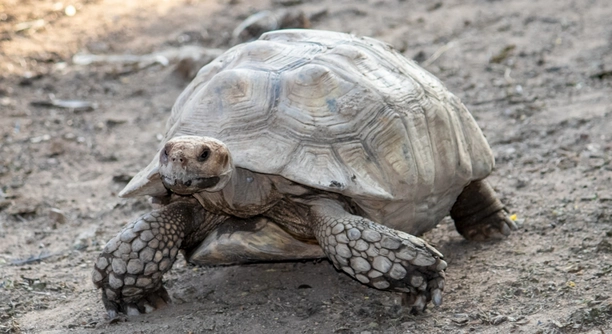
Tortoises are unique pets that need proper care and space. As they grow, their habitat requirements can change, and providing the right enclosure is essential for their health and well-being. Understanding these needs will ensure they thrive.
A tortoise’s enclosure should offer enough room for movement and exploration. As your pet grows, it may need a larger space to accommodate its size, activity level, and natural behaviors. Watch for specific signs to determine when it’s time for an upgrade.
A proper enclosure plays a key role in your tortoise’s quality of life. Knowing when to adjust it will help you support their growth and overall health.
Your Tortoise’s Size and Growth Rate
As your tortoise grows, its space needs will change. Small tortoises may do well in a smaller enclosure, but larger ones require more room to move around comfortably. It’s essential to keep track of their growth. If your tortoise seems cramped or isn’t able to move around freely, it may be time for a bigger enclosure. A cramped space can lead to stress and hinder natural behaviors like foraging or basking.
When choosing an enclosure, consider your tortoise’s size and activity level. For example, a larger species like the Aldabra or Sulcata tortoise will need a significantly bigger space than a smaller species like the Russian tortoise. A tight space can limit their ability to stretch and explore, which is crucial for their physical and mental health.
Giving your tortoise a larger enclosure allows them to exhibit natural behaviors and promotes their well-being. It can also make cleaning easier and ensure they have plenty of space for food, water, and basking areas.
Signs of a Tight Enclosure
If your tortoise is showing signs of stress, it could be due to the lack of space. Monitor its behavior for signs of discomfort.
An unhappy tortoise may pace or spend most of its time in a corner of the enclosure. These behaviors often indicate it’s struggling to find space to roam. The lack of movement can lead to stress and possibly health issues like obesity or depression. Always observe your pet’s daily activities to gauge if they’re comfortable.
Enclosure Size and Shape
The shape of your tortoise’s enclosure matters. A square or rectangular enclosure provides more room for movement than a circular one.
A rectangular space offers more opportunity for your tortoise to explore, allowing it to move in straight lines rather than constantly turning in a circle. This can help prevent frustration and stress. For larger species, look for an enclosure with a larger surface area. The more space your tortoise has to roam, the better. A proper shape and size allow them to exhibit natural behaviors, which is essential for their health and happiness.
The shape of the space also plays a role in keeping your tortoise comfortable. You can add plants, rocks, or other hiding places to encourage exploration and create a more enriching environment. A well-designed enclosure can make a significant difference in how your tortoise interacts with its habitat.
Temperature and Humidity Control
Maintaining the right temperature is crucial for your tortoise’s health. If the enclosure doesn’t allow you to regulate temperature, your tortoise may not be able to properly digest food or stay healthy.
Your tortoise needs a warm basking area, typically between 85 and 90°F, and a cooler area around 75°F. Keeping these areas separate is important for your tortoise to regulate its body temperature. Without proper temperature control, your tortoise might become lethargic or suffer from digestive problems. If the current enclosure doesn’t support a stable temperature gradient, upgrading to a larger or more suitable setup may be necessary.
Humidity levels are also vital, especially for species like the Russian tortoise, which need a drier environment, and others like the Greek tortoise, which thrive in slightly higher humidity. Make sure your enclosure has a way to maintain the right balance for your tortoise’s specific needs.
Activity Level and Behavior Changes
If your tortoise has become more active or is moving around its enclosure more often, it could be a sign it needs more space.
An active tortoise should have enough room to roam and exercise. If it seems restless, pacing, or constantly trying to escape, it’s likely that the enclosure is too small. In these cases, providing a larger habitat will allow your tortoise to stay active and engaged.
Changing behavior, like increased digging or burrowing, can also signal that the tortoise is trying to find more space. These behaviors are natural, but when they become more frequent, a larger enclosure may be needed.
Ventilation and Airflow
Proper ventilation is key in any enclosure. Without it, humidity can become trapped, leading to mold or fungal growth.
Ensure the enclosure has adequate airflow to maintain a healthy environment for your tortoise. Poor ventilation can also lead to stale air, which may affect the tortoise’s respiratory health. Regularly checking for proper airflow is important.
If the current setup doesn’t provide ventilation, consider upgrading to a larger one with better airflow design. The right ventilation is crucial for your tortoise’s overall well-being, as stale air can promote unhealthy conditions.
Enclosure Cleaning
Regular cleaning is essential, but it can become difficult with a small enclosure.
A bigger enclosure gives you more room to clean thoroughly and makes it easier to maintain proper hygiene. Small enclosures can quickly become dirty, and cleaning them frequently may stress your tortoise. A larger space will allow for a cleaner environment, and less frequent cleaning is needed to maintain hygiene.
FAQ
How do I know if my tortoise is outgrowing its enclosure?
If your tortoise is becoming more active or seems frustrated, it’s likely outgrowing its current space. When a tortoise starts pacing, trying to escape, or spending more time in one corner of the enclosure, it’s a sign that it needs a bigger area. Also, if your tortoise seems lethargic or uninterested in its environment, it might be a sign that it doesn’t have enough room to move and explore. Keep track of your tortoise’s behavior and size to determine if it’s time for an upgrade.
What size enclosure does my tortoise need?
The size of the enclosure depends on the species and age of your tortoise. For smaller species, a 4-foot by 2-foot enclosure is often sufficient, but for larger species like Sulcatas or Aldabras, you may need an enclosure that is 8 feet long or more. It’s important to choose an enclosure that gives your tortoise enough space to walk around comfortably and engage in natural behaviors. A good rule of thumb is to ensure the length of the enclosure is at least 1.5 times the length of your tortoise.
Can I use a glass aquarium for my tortoise?
Glass aquariums can be used for small species, but they may not be ideal for larger tortoises. Aquariums can trap humidity, leading to potential health issues, and they may not provide adequate ventilation. For a larger tortoise, it’s better to use an open-top enclosure or a wooden habitat with proper ventilation and space to allow the tortoise to move freely. If using a glass aquarium, ensure the tortoise has a large enough space and that the temperature and humidity are properly managed.
How can I make sure my tortoise’s new enclosure is comfortable?
A comfortable enclosure for your tortoise needs the right temperature gradient, humidity levels, and areas for hiding and basking. Make sure to include a warm basking spot, cooler areas for resting, and enough space for your tortoise to move around. Adding objects like rocks or logs encourages natural behaviors such as climbing, hiding, and foraging. Additionally, you should include a water dish that’s large enough for your tortoise to drink from and soak in if needed. Regularly check the enclosure’s cleanliness and adjust the habitat as your tortoise grows.
Should I put my tortoise outside in a larger enclosure?
If the weather allows, providing your tortoise with an outdoor enclosure can be beneficial. Outdoor enclosures can offer more space, access to natural sunlight, and allow your tortoise to engage in more natural behaviors, like grazing on grass. However, outdoor enclosures need to be secure to prevent escape and protected from predators. Ensure the enclosure has a shaded area and that the temperature remains consistent with your tortoise’s needs. It’s important to monitor your tortoise’s behavior and adjust its outdoor environment as necessary.
How often should I change my tortoise’s enclosure?
You should clean and replace bedding in your tortoise’s enclosure regularly. At a minimum, perform a deep cleaning once every two weeks. This includes replacing any substrate, cleaning the water dish, and wiping down the enclosure walls. Spot cleaning should be done daily to remove waste and uneaten food. A larger enclosure will make cleaning easier, as it gives you more space to work with and reduces the frequency of deep cleanings.
Can I add other animals to my tortoise’s enclosure?
It’s not recommended to house multiple species together, especially if the animals are of different sizes or temperaments. Tortoises are solitary creatures and may become stressed or territorial if another animal is introduced. If you wish to add another tortoise, ensure they are of the same species and roughly the same size to avoid fighting. Even then, it’s important to monitor their behavior closely. It’s best to keep your tortoise in an enclosure of its own to ensure it feels safe and secure.
How do I make my tortoise feel safe in its new enclosure?
To make your tortoise feel safe, you should create a space that mimics its natural habitat as much as possible. Include hiding spots like logs or rocks, and offer both a basking area and a cooler spot for resting. Keep the enclosure free from disturbances, such as loud noises or excessive handling. Gradually introduce your tortoise to its new space, allowing it to adjust without feeling threatened. Providing food and water in the right areas will also make the environment feel more familiar and comforting.
How can I ensure my tortoise’s new enclosure is escape-proof?
To ensure your tortoise’s enclosure is escape-proof, you need to pay attention to the walls and the lid. Make sure the walls are tall enough that your tortoise can’t climb over them, and that the lid is securely fastened, especially if the tortoise is an active climber. If you’re building a custom enclosure, use materials like wood, metal, or secure mesh. You should also check for any gaps or holes where your tortoise could escape, and seal them tightly. Regularly inspect the enclosure to make sure there are no signs of wear or damage.
Do I need to provide a UVB light for my tortoise?
Yes, UVB lighting is important for your tortoise’s health. UVB light helps them produce vitamin D3, which is necessary for calcium absorption and shell health. If your tortoise cannot get adequate natural sunlight, it’s important to provide a UVB light in its enclosure. This light should be placed near the basking area and should be replaced every 6 months, as UVB bulbs lose their effectiveness over time. Ensure the UVB light is on a timer to provide a consistent day-night cycle for your tortoise.
How can I adjust the temperature in my tortoise’s enclosure?
Adjusting the temperature in your tortoise’s enclosure requires the use of heat lamps, ceramic heaters, and possibly a thermostat. Make sure the basking spot is warm enough (85-90°F), while the rest of the enclosure is cooler (around 75°F). Use a thermometer to monitor temperatures and ensure they stay within the ideal range for your tortoise’s species. If the enclosure is too hot or too cold, your tortoise may become stressed or sick. Providing both heat and cooler areas will help your tortoise regulate its body temperature.
Final Thoughts
Ensuring that your tortoise has an appropriate enclosure is essential for its health and well-being. A proper living space allows your tortoise to engage in natural behaviors, such as moving freely, basking, and exploring. If your tortoise’s enclosure is too small, it can lead to stress, inactivity, and poor health. Monitoring its behavior and regularly assessing the size of its habitat will help you determine when it’s time for an upgrade. As your tortoise grows, its space needs will change, and providing the right environment is crucial for its long-term happiness.
When considering a larger enclosure, it’s important to plan ahead. Think about the materials, space, and features you’ll need to provide a comfortable habitat. Ensure there are proper temperature gradients, humidity levels, and hiding spots for security. Pay attention to your tortoise’s needs and preferences. The more you understand its behavior and natural instincts, the better equipped you’ll be to create a space that suits it. Whether you choose an indoor or outdoor enclosure, remember that safety and comfort should always come first.
A proper enclosure is more than just a space for your tortoise to live in—it’s a place that directly impacts its health. By regularly assessing the enclosure size and making changes as needed, you can ensure that your tortoise lives a healthy, stress-free life. With the right care, your tortoise can thrive and enjoy a happy, comfortable environment for years to come. Keep track of its growth, behavior, and habitat requirements, and always be ready to adjust its enclosure to meet its changing needs.

Hello,
If you enjoy the content that we create, please consider saying a "Thank You!" by leaving a tip.
Every little bit helps us continue crafting quality advice that supports the health, happiness, and well-being of pets around the world, for pets of all shapes, sizes, and species.
We really appreciate the kindness and support that you show us!