
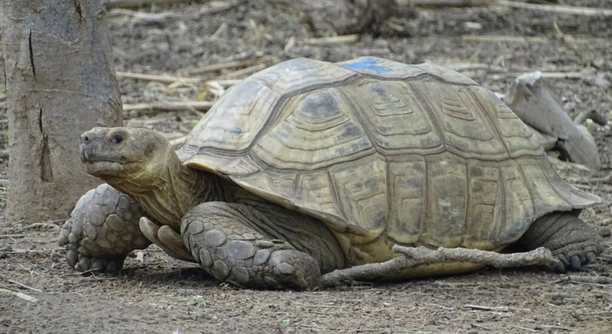
Tortoises are calm creatures, but sometimes stress can take a toll on their well-being. It’s important to recognize when your pet is feeling overwhelmed. Knowing the signs of stress will help you provide the best care possible.
A stressed tortoise may exhibit physical and behavioral signs, such as a change in eating habits, excessive hiding, or abnormal movements. Monitoring these changes closely can help you determine whether your tortoise is stressed and in need of attention.
Identifying the signs early is key to ensuring your tortoise remains healthy and comfortable. We’ll explore seven key indicators to watch for in your pet’s behavior and what you can do to help.
Change in Appetite or Eating Habits
A stressed tortoise might stop eating, eat less than usual, or even refuse to eat altogether. This can be alarming, especially since tortoises rely on regular feeding to stay healthy. Stress can affect their digestive system, making them lose their appetite. It’s important to observe their behavior closely and note any changes in their eating habits. If your tortoise is not eating, it’s a good idea to check for other signs of stress or illness.
If your tortoise has lost interest in food, you should first check its environment for any stress triggers. For instance, changes in temperature, humidity, or even sudden noises can upset your pet.
A healthy tortoise should be eating regularly. If your pet consistently refuses food, it could be a sign that stress or discomfort is affecting its well-being. Make sure to offer fresh food daily, monitor the temperature and lighting in their habitat, and avoid loud disturbances. If the issue persists, consult with a vet for further guidance.
Excessive Hiding or Retreating
If your tortoise spends too much time hiding, it could be a sign that something is wrong.
Tortoises are naturally shy, but when stressed, they might retreat into their shells more than usual. This behavior often indicates that your pet is feeling unsafe or overwhelmed. If your tortoise is consistently hiding and seems reluctant to come out, it’s worth investigating the cause.
Excessive hiding can be triggered by various factors, including environmental changes, a lack of proper lighting, or even a change in its habitat. Ensure the environment is consistent, and check that the temperature and humidity are at appropriate levels. Sometimes, moving the tortoise to a quieter, more peaceful area can help them feel more secure.
Unusual Behavior or Movements
When a tortoise is stressed, it may begin moving in unusual ways, like pacing or restless walking. These movements are signs that something is off. A tortoise that is normally slow and steady might suddenly become agitated.
If your tortoise starts walking in circles or pacing back and forth, it could indicate stress or discomfort. This behavior can also be linked to a lack of space or environmental stressors such as loud sounds, sudden changes, or overcrowding.
It’s essential to provide your tortoise with a comfortable, spacious enclosure where they can move freely without feeling trapped. If your tortoise is pacing, reassess the environment and ensure it is quiet, peaceful, and free from disturbances. Check that the habitat offers enough room for exploration, as a lack of space can also contribute to stress.
Shell or Skin Problems
Changes in the condition of your tortoise’s shell or skin can also signal stress.
A stressed tortoise might develop shell problems like cracks, discoloration, or abnormal shedding. The shell is an important part of a tortoise’s well-being, and any signs of damage or poor condition should be addressed promptly.
Ensure your tortoise has a balanced diet rich in calcium and vitamin D, as deficiencies can lead to shell problems. Environmental factors like humidity and temperature are key as well. The humidity needs to be consistent, and the temperature should be in the right range for your tortoise’s species. Regularly check your tortoise’s shell for signs of dryness or cracking. If you notice significant changes, consult with a vet for proper care.
Loss of Interest in Normal Activities
A stressed tortoise may lose interest in activities they normally enjoy, like exploring or soaking in water. They may stay in one spot for extended periods.
If your tortoise isn’t showing interest in their surroundings or exhibits lack of curiosity, it’s a sign of distress. When their usual routines are disrupted, it may be due to changes in their environment, diet, or health.
This loss of interest can also occur if the tortoise feels unsafe or is in pain. Make sure your pet has enough space to roam, and that there are no sudden changes in its environment. Stress can make a tortoise lethargic, so ensure the habitat remains stable.
Aggressive or Defensive Behavior
Stress can lead to aggression or defensive behaviors in tortoises.
If your tortoise becomes more defensive or aggressive, such as biting or hissing, it could be a response to feeling threatened. These behaviors indicate that your tortoise is uncomfortable and may be trying to protect itself.
A change in the environment or social dynamics can trigger aggression. If you have other pets or animals around, they may be causing your tortoise to feel unsafe. Take the time to remove or limit potential stressors and provide a calm, secure environment for your tortoise. Monitor your pet’s behavior to catch stress signs early.
Difficulty Breathing
A tortoise under stress might show signs of difficulty breathing, like wheezing or labored breaths.
Difficulty breathing can be caused by stress or an underlying health issue. If you notice your tortoise’s breathing is irregular, it’s important to act quickly. Check the environment for stress triggers such as temperature imbalances or excess humidity.
Ensure that the temperature and humidity in the habitat are consistent. If your tortoise’s breathing does not improve or worsens, take them to a veterinarian for a thorough checkup.
FAQ
What causes stress in tortoises?
Tortoises can experience stress from a variety of factors, including environmental changes, improper temperature or humidity, loud noises, overcrowding, and sudden changes in their routine. A lack of space or social interaction with other pets can also contribute to stress. When a tortoise’s environment doesn’t meet its needs, it can feel threatened or uncomfortable, leading to stress.
How can I prevent my tortoise from getting stressed?
To prevent stress, provide a stable environment with proper temperature, humidity, and lighting. Ensure your tortoise has enough space to roam and explore. Avoid loud noises, sudden changes in their habitat, or moving them to new locations too frequently. A consistent daily routine can also help your tortoise feel secure and comfortable.
Can stress cause health problems for my tortoise?
Yes, stress can have negative effects on your tortoise’s health. It can lead to loss of appetite, weight loss, and weakened immune function, making your pet more susceptible to infections and diseases. Chronic stress can also cause behavioral changes, like aggression or excessive hiding, which can further impact their overall well-being.
How do I know if my tortoise is stressed or sick?
It can be challenging to differentiate between stress and illness because both can cause similar symptoms like loss of appetite, lethargy, and unusual behavior. However, if your tortoise’s behavior changes suddenly or drastically, and there are no clear environmental stressors, it might indicate a health problem. It’s best to monitor their behavior and consult a vet if you’re unsure.
What should I do if my tortoise stops eating?
If your tortoise stops eating, first check for any obvious environmental changes, like temperature fluctuations or changes in their food. Make sure the food is fresh and that they have access to clean water. If the problem persists, consult a vet to rule out underlying health issues. Stress, poor diet, or even an incorrect environment can all cause loss of appetite in tortoises.
Is it normal for my tortoise to hide a lot?
Tortoises do hide, especially in new or unfamiliar environments, as a way to feel secure. However, if they are hiding excessively, it could be a sign of stress. Tortoises may retreat into their shells more often if they are feeling threatened or unwell. If hiding becomes a constant behavior, it’s important to evaluate their surroundings and check for stress triggers.
How often should I check on my tortoise’s habitat?
Regular checks on your tortoise’s habitat are essential. Make sure to check their enclosure daily for cleanliness, proper temperature, and humidity. Ensure that the habitat has plenty of hiding spots and a comfortable, safe space. Conduct a more thorough inspection weekly to make sure there are no signs of wear or damage that could affect your tortoise’s health.
Can I keep more than one tortoise together?
Tortoises are generally solitary creatures and can become stressed if kept with others, especially in small enclosures. Some species are more social than others, but it’s usually best to house tortoises separately to prevent territorial issues, stress, and fighting. If you plan to keep more than one tortoise together, ensure the enclosure is large enough to accommodate each animal comfortably.
What are some signs that my tortoise is in pain?
If your tortoise is in pain, they may display signs like reluctance to move, changes in posture, or hissing when touched. They may also become more withdrawn, eat less, or exhibit abnormal behaviors. If you notice these signs, it’s essential to take your tortoise to a vet for a checkup to determine the cause of the pain and get proper treatment.
Can temperature affect my tortoise’s stress levels?
Yes, temperature plays a critical role in your tortoise’s overall health and comfort. Tortoises require specific temperature ranges depending on their species. If the temperature in their habitat is too high or too low, it can lead to stress, discomfort, and health issues. Make sure to provide a temperature gradient in the enclosure, with a warm basking area and a cooler side for them to regulate their body temperature.
How do I know if my tortoise’s shell is healthy?
A healthy tortoise shell should be smooth, firm, and free from cracks, holes, or discoloration. Look for any signs of softness or abnormalities, which may indicate shell rot or other health concerns. Regularly check for dry, flaky patches, which can also be a sign of stress or inadequate humidity levels in their habitat. If you notice any issues with their shell, consult a vet for an evaluation.
What should I do if my tortoise has trouble breathing?
If your tortoise is having trouble breathing or showing signs of wheezing, it could be a sign of respiratory infection, which is often caused by stress or improper habitat conditions. Take immediate steps to improve their environment by adjusting the temperature and humidity levels. If the breathing difficulties continue, contact a vet as soon as possible for treatment.
How can I reduce stress when transporting my tortoise?
When transporting your tortoise, ensure they are safely secured in a well-ventilated container with soft bedding. Keep the temperature in the transport area consistent with their normal environment. Minimize handling and avoid loud noises to reduce stress. Once at the destination, allow your tortoise time to adjust before making any changes to their environment.
Final Thoughts
Understanding and recognizing signs of stress in your tortoise is essential to ensuring their health and happiness. Stress can affect tortoises in various ways, from changes in behavior to physical symptoms. By keeping a close eye on your pet’s habits, you can spot problems early and address them before they become serious. Whether it’s a loss of appetite, abnormal movements, or issues with their shell or skin, all these signs point to the need for a change in their environment or care routine.
Taking steps to reduce stress is not only about improving your tortoise’s current well-being but also about preventing long-term health problems. Tortoises thrive in stable environments where their basic needs are met. By ensuring proper temperature, humidity, and space, you create a more comfortable home for your pet. Also, offering a consistent routine and minimizing disruptions can help your tortoise feel safe and secure. It’s important to remember that tortoises are sensitive to their surroundings, so small changes can have a significant impact on their stress levels.
If you notice any signs of stress that don’t improve with environmental adjustments, don’t hesitate to consult a veterinarian. A professional can help identify any underlying health conditions or provide specific advice on managing stress in your tortoise. Proper care, attention, and a peaceful environment are key to a healthy tortoise. By understanding their needs and responding to any signs of stress, you ensure your tortoise leads a happy and long life.

Hello,
If you enjoy the content that we create, please consider saying a "Thank You!" by leaving a tip.
Every little bit helps us continue crafting quality advice that supports the health, happiness, and well-being of pets around the world, for pets of all shapes, sizes, and species.
We really appreciate the kindness and support that you show us!