
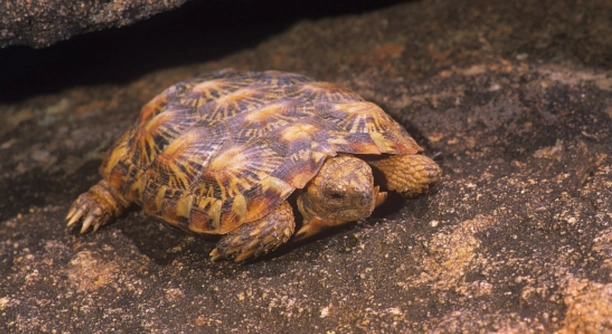
Bonding with a tortoise may seem like a slow process, but it’s a rewarding experience. They may not show affection like other pets, but with patience, you can develop a special connection with your shelled companion.
The key to bonding with your tortoise lies in consistency and gentle interactions. Offering regular feeding, providing a suitable environment, and engaging in calm activities can help your tortoise feel safe and comfortable around you.
The following simple tips will ensure your tortoise feels cared for and begin building a trusting relationship with you.
1. Create a Safe and Comfortable Habitat
A comfortable habitat is essential for building trust with your tortoise. Start by setting up a spacious enclosure that includes areas for both warmth and cooling, as well as plenty of hiding spots. The space should mimic their natural environment, with the right humidity levels and UVB lighting to keep them healthy.
You’ll also want to keep the environment clean and free of any sharp objects that could harm them. Providing a shallow water dish for drinking or soaking is important as well. When they feel secure in their surroundings, they’ll be more likely to interact with you.
When you give your tortoise the proper space and comfort, they’ll start feeling at ease with their environment. This stability is key to developing a bond. It’s important to regularly check their habitat and ensure it remains as stress-free as possible.
2. Spend Time with Your Tortoise Regularly
Regular interaction helps your tortoise feel more familiar with you, especially if they have time to adjust to your presence. Tortoises may take time to warm up to you, so patience is key.
The more often you spend time around them, the more comfortable they’ll become. Avoid sudden movements and try to be calm, as loud noises or quick actions might startle them. Over time, they’ll associate your presence with safety and routine.
A consistent presence will help them feel secure and familiar with you. Let them approach you at their own pace without forcing interaction. Always ensure that the time you spend together is peaceful.
3. Offer Healthy Food
Food is a great way to bond with your tortoise. Offer a variety of fresh, leafy greens and vegetables. Tortoises love a colorful diet, including foods like dandelion greens, collard greens, and squash. Avoid feeding them processed foods or high-calcium items that can cause issues.
Offering food at regular times can help create a routine. Be patient as they may take time to eat in front of you. Allowing your tortoise to eat at its own pace helps avoid stress. Gently place the food in front of them and let them explore.
Over time, they’ll begin to associate you with food. This connection can build trust and encourage your tortoise to come closer. Make sure to remove any uneaten food after a few hours to prevent spoilage. The key is to make feeding a calm, enjoyable routine.
4. Handle with Care
When handling your tortoise, approach them slowly and gently. Avoid picking them up suddenly, as it may frighten them. Start by letting your tortoise explore your hands, offering a calm environment where they can feel safe and secure.
Always support their body with both hands, ensuring that their legs and shell are fully supported. Lifting them too high or dropping them can cause injury or stress. It’s best to keep the handling short, gradually increasing the time as they become more comfortable with your touch.
Be patient, as tortoises may not always enjoy being handled. Let them move around freely once they feel comfortable, and avoid forcing them into your hands. Over time, your tortoise will become more accustomed to your touch and may even seek your company.
5. Create a Routine
Tortoises thrive on routine. Set feeding times, light schedules, and playtime so your tortoise can predict what’s coming. They find comfort in consistency and will start to trust you more once they recognize these patterns.
Routine also helps them feel less stressed. Knowing when food is coming or when to expect cleaning can make them more comfortable with your presence. Slowly incorporate activities they enjoy into this schedule, like offering treats or setting aside time for them to explore.
Over time, they will associate you with their daily routine, building a stronger bond.
6. Let Them Roam Freely
Allowing your tortoise time outside its enclosure can be a great bonding experience. A safe, enclosed area where they can roam freely helps them feel more relaxed. It also gives them a chance to explore their environment, which tortoises love to do.
Be sure the area is free from hazards like sharp objects or small gaps they might escape through. Always supervise them during this time to keep them safe. While they wander, try sitting quietly nearby. Your tortoise will get used to your presence without feeling pressured, allowing for natural bonding.
7. Be Patient
Patience is crucial when bonding with your tortoise. They may take time to adjust to you, and rushing the process can harm the relationship. Let your tortoise set the pace.
Understanding that tortoises are slow to trust will help you manage expectations. Give them space and let your connection develop naturally.
FAQ
How long does it take to bond with my tortoise?
Bonding with a tortoise is a gradual process. Depending on the tortoise’s personality, it may take a few weeks to a few months for them to start feeling comfortable with you. The key is consistency. By providing a safe, predictable environment and handling them with care, they will begin to trust you more over time. Some tortoises are naturally more shy and will take longer, while others may warm up quickly. Don’t rush the process, and remember that patience is essential.
Can I train my tortoise to recognize me?
Yes, tortoises can learn to recognize their owners, but it takes time. They won’t have the same level of attachment as dogs or cats, but they can become familiar with your scent, voice, and routine. By feeding them at the same time every day and interacting regularly, your tortoise will start associating you with positive experiences. Over time, they may even approach you when they see you, especially if they expect food or attention. However, it’s important to note that tortoises are more likely to interact for food or comfort, not out of affection.
What are signs that my tortoise is stressed?
Stress in tortoises can manifest in several ways. If your tortoise starts hiding more than usual, stops eating, or appears lethargic, these may be signs of stress. Changes in behavior, such as pacing or excessive digging, can also indicate that your tortoise is not comfortable. To reduce stress, ensure that their habitat is safe, clean, and free from loud noises or sudden changes. Make sure their diet and environment are appropriate for their species. If you notice signs of stress that don’t improve, it’s best to consult a vet.
How can I tell if my tortoise likes me?
While tortoises don’t express affection in the same way as other pets, there are a few signs that show your tortoise is becoming more comfortable with you. They might approach you when they see you, especially when it’s time to eat. Some may also follow you around or show curiosity about your movements. If your tortoise is no longer hiding or retreating when you approach, it’s a good sign that they trust you. Patience is key, and over time, they may even seem more relaxed and comfortable in your presence.
What should I do if my tortoise isn’t eating?
If your tortoise is not eating, it could be a sign of stress, illness, or an improper environment. First, check that the temperature, humidity, and lighting in their enclosure are appropriate for their species. Tortoises are sensitive to environmental changes, so if these conditions are wrong, it can lead to a lack of appetite. Also, consider whether their diet is varied and fresh. If your tortoise continues to refuse food for more than a couple of days, it’s best to consult a veterinarian to rule out health issues.
How often should I handle my tortoise?
Tortoises do not need as much handling as some other pets. In fact, too much handling can stress them out. Aim to handle your tortoise only a few times a week. Keep the sessions short, allowing your tortoise to feel comfortable in your hands without being overwhelmed. Handling should always be gentle and slow. If your tortoise seems stressed or uncomfortable, it’s best to stop and let them rest. Over time, you can increase the frequency, but always ensure the interactions are calm and enjoyable for both of you.
Can my tortoise live in a small enclosure?
Tortoises need space to roam, and a small enclosure is not ideal for their health. In the wild, they often cover large distances in search of food and shelter. A cramped space can lead to stress, poor health, and behavioral issues. Ideally, provide an enclosure large enough for your tortoise to walk around, with room for both heat and cool areas. If you have a smaller space, consider letting your tortoise roam in a safe, enclosed outdoor area for part of the day. The bigger the space, the better for their well-being.
Why does my tortoise bury itself?
Burying is a natural behavior for tortoises. In the wild, they dig to find cooler spots, protect themselves from predators, or create a safe resting place. If your tortoise is burying itself, it’s usually nothing to worry about. However, if they bury themselves frequently or for long periods, it could indicate stress or discomfort with their environment. Check that their temperature and humidity levels are appropriate. Also, ensure they have enough space and hiding areas where they feel safe.
Can I take my tortoise outside?
Yes, you can take your tortoise outside, but only in a secure, safe area. Make sure the environment is free from predators, harmful plants, and toxins. If you live in a region with cold winters, avoid taking your tortoise outside in cooler months, as they are highly sensitive to temperature changes. Supervise them at all times while outside to prevent escape or injury. A secure outdoor enclosure with proper shade, food, and water will give your tortoise a healthy space to explore. Just be sure the weather and conditions are safe for them.
Do tortoises need to drink water?
Yes, tortoises need to drink water. While they get some moisture from the food they eat, they still need access to fresh water daily. Provide a shallow dish that they can easily access, allowing them to soak and hydrate. Some tortoises also enjoy soaking their bodies in water to stay hydrated, especially in warmer climates. Regular water intake is crucial for maintaining proper hydration and preventing kidney issues. Always clean the water dish daily to avoid bacteria build-up.
Final Thoughts
Bonding with your tortoise is a slow and steady process. Tortoises are naturally independent animals, and they don’t form bonds in the same way as more social pets like dogs or cats. However, with time, patience, and consistency, you can create a positive relationship with your tortoise. The key is to understand their needs and respect their space. By offering a comfortable environment, a healthy diet, and gentle handling, you can start building trust and a sense of security with your tortoise. While they may not show affection in the way you might expect, their comfort and willingness to approach you are signs that they are becoming more relaxed and familiar with you.
It’s important to remember that every tortoise is different. Some may warm up to you faster than others, while some may take longer to feel comfortable. This is normal. You should never rush the process or force interactions, as this can cause stress or fear. Pay attention to your tortoise’s behavior and adjust your approach based on their responses. Some tortoises may be more curious and interactive, while others may prefer to stay in their shell and observe from a distance. The bond will grow as they begin to recognize that you are a source of care and safety.
In the end, building a bond with a tortoise is about creating a stable environment and offering consistent care. Over time, your tortoise will come to recognize you as a trusted part of their routine. Even though tortoises may not seek constant attention, knowing they feel safe and cared for will allow them to thrive. Be patient and continue to provide the best care possible, and your tortoise will slowly begin to show their trust.

Hello,
If you enjoy the content that we create, please consider saying a "Thank You!" by leaving a tip.
Every little bit helps us continue crafting quality advice that supports the health, happiness, and well-being of pets around the world, for pets of all shapes, sizes, and species.
We really appreciate the kindness and support that you show us!