
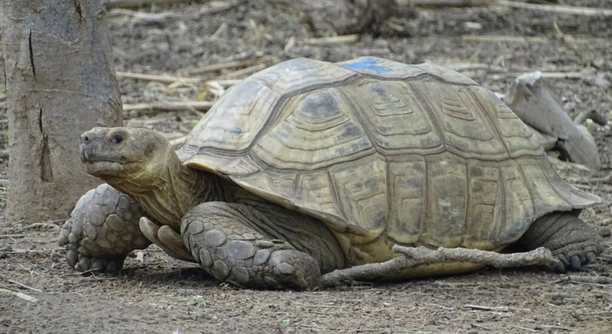
As winter approaches, it’s important to make sure your tortoise stays comfortable and healthy. Cold weather can affect their well-being, but with the right care, they can stay happy throughout the colder months.
To keep your tortoise comfortable in winter, maintain a stable environment with proper temperature control. Offer a warm, dry area for basking, ensure they are eating well, and monitor their humidity levels to avoid potential health issues.
Implementing these simple steps can ensure your tortoise remains comfortable and healthy. With a little extra care, you can help them thrive through the colder months.
Temperature Regulation
Keeping your tortoise warm during winter is crucial for their health. Tortoises are cold-blooded animals, meaning they rely on their environment to regulate their body temperature. A consistent temperature of around 75-85°F (24-29°C) is ideal. You may need to invest in a heat lamp or heating pad to maintain this temperature. Ensure your tortoise has a basking spot that provides direct warmth, but also a cooler area to retreat to when they need to regulate their body heat. If the temperature drops too low, it could lead to lethargy or other health issues.
Make sure to check the temperature regularly with a thermometer. This will help you avoid overheating or underheating the environment, which can stress your tortoise. A well-controlled environment will make all the difference in their comfort.
Additionally, avoid placing your tortoise near drafts or in areas where the temperature fluctuates drastically. Keeping the enclosure in a stable, warm space is essential. If the outside temperature is particularly cold, you may want to move the tortoise indoors or use a space heater to ensure consistent warmth.
Proper Humidity Levels
Maintaining proper humidity levels in your tortoise’s habitat is just as important as temperature. Too much moisture can cause respiratory issues, while too little can lead to dehydration.
Use a humidity gauge to keep track of moisture levels in the enclosure. A good range for most tortoises is between 40-60% humidity. If the humidity is too low, you can increase it by misting the enclosure or placing a shallow dish of water in their habitat. This will provide them with the moisture they need without the risk of excess dampness.
Ensure that the bedding is not too wet to avoid mold growth, which can be harmful. You can also use moisture-retaining substrates like coconut coir or cypress mulch to maintain the right level of humidity. Avoid using sand or other materials that don’t hold moisture well, as these can dry out too quickly.
By managing humidity properly, you ensure that your tortoise’s skin stays healthy and they remain comfortable through the colder months.
Provide Adequate Lighting
Proper lighting is essential for your tortoise’s health, especially during the winter months. Tortoises need UVB light to help them absorb calcium and maintain a healthy shell. A UVB bulb should be placed above their basking area, ensuring it’s positioned correctly to provide sufficient exposure.
UVB lighting should be on for about 12-14 hours a day to simulate natural daylight. Consider using a timer to maintain consistency in the light cycle. Avoid placing the light too far away from your tortoise, as this reduces its effectiveness. Replace UVB bulbs regularly, as their intensity diminishes over time.
Ensure the light is not too close to the tortoise, as it may cause discomfort or even burn them. Always maintain a safe distance between the light and the tortoise’s basking spot. Proper lighting encourages healthy activity and digestion, which are essential for your tortoise’s well-being during colder months.
Monitor Diet and Hydration
A balanced diet is crucial during winter. Your tortoise may have a reduced appetite in colder months, so offering more nutrient-rich foods can help maintain their health. Leafy greens like kale, collard greens, and dandelion greens are ideal choices. Adding small amounts of high-calcium foods, such as clover or calcium-fortified vegetables, supports their overall health.
Hydration is equally important, especially in dry winter air. Ensure they have access to fresh water at all times. You can mist their food to increase moisture intake, or provide a shallow water dish for them to drink from. Avoid forcing your tortoise to drink, as this can cause stress.
A well-rounded diet, combined with adequate hydration, helps your tortoise maintain a healthy weight and strengthens their immune system to fight off any illnesses during the winter.
Create a Comfortable Hiding Spot
Tortoises need a safe space to retreat when they feel stressed or want to sleep. Make sure their enclosure has a hiding spot where they can feel secure. This spot should be dry, warm, and free from disturbances.
Use materials like a cardboard box, wooden hide, or even a ceramic tunnel. Keep it in a quiet corner of their habitat. This area helps your tortoise regulate its own space and energy. A hiding spot provides them with an extra layer of comfort during the colder months.
Reduce Stress Levels
Stress can weaken your tortoise’s immune system, making them more susceptible to illnesses. Keeping the habitat calm and quiet is key to minimizing stress. Avoid loud noises or any sudden changes that may startle your tortoise.
Additionally, do not frequently handle your tortoise during the winter months unless necessary. Handling can be stressful, especially when their energy levels are lower. Ensure that they have time to rest and adjust to their environment. Stress-free living contributes significantly to your tortoise’s health and comfort throughout the colder season.
Limit Outdoor Exposure
During winter, it’s essential to limit your tortoise’s time outdoors. Cold temperatures can be dangerous, even for hardier species. Instead, focus on providing a comfortable indoor environment that replicates their natural habitat. Outdoor exposure should only occur on warm, sunny days and for short periods.
A tortoise’s immune system is vulnerable during winter, and exposure to cold weather may weaken it further. Avoiding unnecessary outdoor activities helps your tortoise maintain its energy and warmth. Keeping them indoors also ensures that their living conditions stay stable and stress-free.
FAQ
How cold is too cold for my tortoise in winter?
Tortoises are sensitive to temperature changes. In general, temperatures below 50°F (10°C) are too cold for most species. Prolonged exposure to such temperatures can lead to hypothermia or even death. It is crucial to maintain a warm environment indoors, especially during the colder months. Using a heat source, like a heat lamp or heating pad, will help keep the temperature stable. A thermometer will also allow you to monitor the environment and adjust as needed to ensure your tortoise stays safe and comfortable.
Can I let my tortoise hibernate in winter?
Some species of tortoises naturally hibernate during winter, while others do not. Before considering hibernation, it’s important to know whether your specific species is capable of it. If your tortoise hibernates, make sure their environment is properly prepared with suitable temperatures and humidity levels. If unsure, consult a veterinarian to confirm whether hibernation is necessary or safe for your tortoise. For species that do not hibernate, it is best to keep them warm and active throughout winter.
What should I feed my tortoise during winter?
Tortoises may eat less in winter due to lower activity levels. However, it is still important to offer a balanced diet to support their health. Provide leafy greens, such as kale, dandelion, and collard greens, which are rich in calcium and fiber. Avoid offering high-fat foods like fruit or lettuce, which can cause digestive issues. Some species may also require supplements like calcium or vitamins to prevent deficiencies during the winter months. Adjust the portion size according to your tortoise’s appetite, and remove uneaten food daily to avoid contamination.
How do I keep my tortoise hydrated during winter?
Hydration is crucial, even in winter when tortoises drink less. Make sure your tortoise has access to fresh water at all times. If they are not drinking enough, you can help by misting their food or offering water in a shallow dish. Some tortoises also enjoy soaking in water, which helps them stay hydrated and moisturize their skin. Be sure to change the water regularly to prevent bacterial growth. The humidity in their habitat should also be monitored to ensure that the environment isn’t too dry, which can lead to dehydration.
Is it okay to take my tortoise outside in winter?
It’s generally not recommended to take your tortoise outside during the winter, as the cold temperatures can be harmful to them. Even on sunny days, the ambient temperature can still be too low for your tortoise to be safe. If you do take them outside, make sure it’s during a warm, sunny day with temperatures above 60°F (15°C) for short periods. Always monitor the temperature and avoid leaving them outside for extended periods, as they can quickly become chilled. Ensure that their outdoor enclosure has adequate shelter to protect them from the elements.
Should I use a heat lamp for my tortoise in winter?
Yes, a heat lamp is a helpful tool in providing your tortoise with the warmth they need during winter. Set the heat lamp above their basking area, ensuring it maintains a temperature between 75°F and 85°F (24°C to 29°C). Be sure to create a temperature gradient in their enclosure so they can move to cooler areas when needed. A thermometer will help you keep track of the temperature and make necessary adjustments. Be cautious about the lamp’s proximity to your tortoise to avoid burns or overheating.
How can I prevent my tortoise from getting sick in winter?
To prevent illness, maintaining a warm, stable, and clean environment is key. Ensure that their enclosure is free of drafts and has proper temperature and humidity levels. A proper diet, including calcium and vitamins, will also help maintain their immune system. Reducing stress is important, so avoid frequent handling during the winter months. If your tortoise shows signs of illness, such as lethargy, loss of appetite, or nasal discharge, contact a veterinarian immediately for advice and treatment. Preventing illness starts with consistent care and attention.
Can I use a heating pad for my tortoise in winter?
A heating pad can be a good option to provide warmth, especially if your tortoise is kept indoors. Place the heating pad under the enclosure or inside their hide to give them a warm area to retreat to. Be sure to monitor the temperature and avoid overheating, as tortoises should be able to move to cooler areas if needed. Heating pads should not be used as the sole heat source; they work best when combined with a heat lamp or another form of temperature regulation. Always ensure the heating pad is designed for reptile use for safety.
What are the signs that my tortoise is too cold?
If your tortoise is too cold, it may show signs of lethargy, a lack of appetite, or slow movements. A cold tortoise may retreat into its shell more frequently or be less active. In severe cases, they could become unresponsive or appear to be in a hibernating state. If you suspect your tortoise is too cold, immediately raise the temperature of their enclosure and allow them to warm up. If they do not improve after warming, or if other health symptoms are present, consult a veterinarian.
How often should I clean my tortoise’s enclosure in winter?
Regular cleaning of your tortoise’s enclosure is important to prevent bacteria buildup, especially in the winter when they may be more susceptible to illness. Clean the enclosure at least once a week, removing uneaten food and any waste. Scrub the water dish and wash all surfaces with reptile-safe cleaners. Ensure that the substrate remains dry and clean to avoid mold growth. If your tortoise is more sedentary during winter, you might not need to clean as often, but maintain a clean environment to ensure their health.
Can I leave my tortoise outside in winter if it’s inside a heated shelter?
While a heated shelter can help protect your tortoise from the cold, it’s important to ensure the shelter is properly insulated and the temperature is maintained at a safe level. If temperatures outside drop below 50°F (10°C), it’s safer to bring your tortoise indoors. A heated shelter can still be too cold for them to remain outside for long periods, as they need a controlled and consistent warm environment. Always check the temperature inside the shelter and monitor their health regularly during the colder months.
Do tortoises need extra food in winter?
Tortoises generally eat less during the winter due to their slower metabolism. However, providing them with nutrient-rich food is important, even if their appetite decreases. Offer them a balanced diet of leafy greens, grasses, and calcium-rich foods to ensure they are getting the nutrients they need to stay healthy. Avoid overfeeding, as they may not be as active and may not require as much food. Ensure any uneaten food is removed daily to maintain a clean environment and prevent health issues.
Final Thoughts
Taking care of a tortoise during winter requires careful attention to their environment and health. It is important to ensure that the temperature is warm enough to keep them active and safe. Tortoises can be sensitive to cold, and exposure to low temperatures can lead to serious health problems. Understanding their specific needs and making necessary adjustments to their living space will help keep them comfortable. Whether indoors or outdoors, providing a stable environment with proper heating, humidity, and lighting is essential to their well-being.
In addition to environmental care, monitoring their food and hydration is crucial. While tortoises may eat less in winter, it is important to offer them a balanced diet to meet their nutritional needs. Leafy greens and calcium-rich foods are important to maintain their health. Providing fresh water is also key, as hydration can sometimes be overlooked in colder months. Some species of tortoises will naturally reduce their intake or go into a form of hibernation, but it’s important to check their overall condition to make sure they’re not suffering from any underlying issues. Always remove uneaten food to maintain cleanliness and prevent bacterial growth.
Lastly, regular observation and keeping a close eye on any changes in behavior will help you catch any potential health concerns early. If you notice that your tortoise is not as active, is not eating, or is displaying unusual signs of distress, it is important to seek advice from a veterinarian. Preventive care during winter can ensure that your tortoise remains healthy and happy, no matter the season. With the right care, they will continue to thrive throughout the colder months.

Hello,
If you enjoy the content that we create, please consider saying a "Thank You!" by leaving a tip.
Every little bit helps us continue crafting quality advice that supports the health, happiness, and well-being of pets around the world, for pets of all shapes, sizes, and species.
We really appreciate the kindness and support that you show us!