
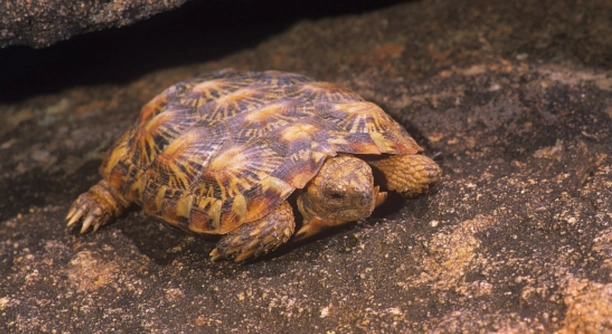
Taking proper care of a tortoise requires more than just providing food and water. The right tools are essential to ensure their health and well-being. This guide covers the top tools you need for effective tortoise care.
The necessary tools for proper tortoise care include a secure enclosure, proper lighting, substrate for burrowing, feeding equipment, water bowls, a temperature control system, and a UVB light source. These tools are vital for ensuring a comfortable, safe, and healthy environment for your tortoise.
With the right tools in place, you can ensure your tortoise thrives. Understanding the proper setup will create a stable environment for your pet to enjoy.
Secure Enclosure for Tortoise Care
A secure enclosure is one of the most important tools you’ll need for tortoise care. Tortoises require a safe space where they can move freely and feel protected. The enclosure should be large enough to allow them to roam around without feeling restricted. It should also have high walls to prevent your tortoise from escaping and keep them safe from predators. It’s important to use materials that are safe for your tortoise and easy to clean. A good enclosure will ensure they feel secure and comfortable in their home.
When setting up an enclosure, think about their natural environment. Tortoises thrive in areas with different textures and surfaces. Providing rocks, logs, or other items to climb or hide behind can help mimic their natural habitat and keep them active.
A secure enclosure provides your tortoise with a place to feel safe and active. The right setup helps promote a healthy and happy life for your pet.
Proper Lighting and UVB Light
Proper lighting is crucial for your tortoise’s well-being. Tortoises need both basking and UVB light to stay healthy. The basking light allows them to regulate their body temperature, while UVB light is essential for absorbing calcium and maintaining strong bones. Without sufficient UVB light, your tortoise may develop health problems, such as shell deformities or metabolic bone disease.
A quality UVB light source should be installed above their basking area. This ensures your tortoise gets the right amount of light for 10-12 hours a day. It’s also important to replace UVB bulbs regularly since their effectiveness decreases over time.
Ensuring proper lighting is key to helping your tortoise thrive. Without the right lighting, your pet may not be able to absorb the nutrients it needs. So, don’t overlook this essential tool in their care.
Substrate for Tortoise Enclosure
The right substrate is essential for creating a comfortable and natural environment for your tortoise. It provides them with a space to burrow and feel secure. Choose a substrate that is easy to clean and safe for your tortoise to ingest. Popular options include coconut coir, cypress mulch, and sand.
A good substrate helps maintain the right humidity levels in the enclosure. It also allows tortoises to engage in natural behaviors like digging and burrowing, which is important for their mental and physical health. Be sure to avoid substrates that could irritate their skin or digestive system.
A suitable substrate helps ensure your tortoise feels at home. It’s important for their overall well-being, as it encourages natural instincts and promotes a clean environment. Choose carefully, and it will contribute to a healthy habitat for your pet.
Temperature Control System
Temperature control is a must for any tortoise enclosure. Your pet needs a specific range of temperatures to stay healthy. Without the right heat, your tortoise may become sluggish, stressed, or even sick. A thermostat can help maintain a stable environment.
The basking area should be around 90-95°F, while the cooler side should range between 75-85°F. Proper temperature gradients allow your tortoise to regulate its body heat by moving between areas. It’s also a good idea to use a heat mat or ceramic heater to maintain consistent warmth during cooler months.
The correct temperature is key to your tortoise’s health. Too much heat or too little can cause significant health issues. Ensure the temperature is well-regulated, and monitor it regularly to keep your tortoise comfortable.
Water Bowl for Tortoise Care
A clean water bowl is essential for your tortoise’s hydration. It should be large enough for your tortoise to drink from and soak in. The water must be changed daily to ensure it remains clean and fresh.
Make sure the bowl is shallow enough to prevent accidental drowning. Tortoises often enjoy soaking in their water bowl, which also helps with hydration. Be sure to use a sturdy, non-tip bowl to keep water from spilling.
Having fresh water available is vital for your tortoise’s health. Proper hydration supports digestion, skin health, and overall well-being.
Feeding Equipment
Proper feeding equipment helps you offer your tortoise a balanced diet. Use shallow dishes for their food to prevent waste and ensure easy access. A food dish with low sides works well for most tortoises.
Make sure the dish is made of safe, non-toxic materials, and keep it clean. Regularly washing the feeding dish prevents the buildup of bacteria, which could harm your tortoise. A clean and stable food setup is essential for promoting healthy eating habits.
Using the right feeding equipment can help provide your tortoise with the nutrition they need. It’s an easy step to keep their diet organized and hygienic.
UVB Light Bulb
UVB light is a crucial tool for tortoise care. It allows them to process calcium, which is essential for strong bones and a healthy shell. Without UVB light, your tortoise could suffer from serious health issues like metabolic bone disease.
UVB light bulbs should be placed directly above the basking area. These bulbs need to be replaced regularly, as their effectiveness decreases over time. Choosing a high-quality UVB bulb that emits the right wavelength is essential to support your tortoise’s health.
UVB lighting is non-negotiable for proper tortoise care. Without it, your tortoise won’t get the nutrients it needs to thrive.
FAQ
What should I feed my tortoise?
Tortoises require a diet rich in fiber and low in fat. Leafy greens like dandelion greens, kale, and collard greens are excellent staples. You can also offer other vegetables, such as bell peppers and squash, along with a variety of grasses and edible flowers. Avoid feeding your tortoise fruits too often, as they are high in sugar and can lead to health problems. Make sure to provide a mix of foods to ensure balanced nutrition. A calcium supplement may be necessary to prevent shell deformities and support bone health.
How often should I feed my tortoise?
Most adult tortoises should be fed once a day. However, younger tortoises, particularly those under a year old, may need to be fed more frequently, such as twice a day. Offering a small portion of food each time is better than overfeeding. Make sure to remove any uneaten food after a few hours to keep the enclosure clean and prevent it from becoming a breeding ground for bacteria.
Do tortoises need supplements?
Yes, tortoises often need supplements, especially calcium. Calcium is crucial for shell development and bone health, so it’s essential to provide it regularly. A vitamin D3 supplement is also important if they don’t get adequate UVB exposure, which helps them absorb calcium. It’s best to sprinkle these supplements on their food, following the manufacturer’s directions. Over-supplementing can be harmful, so always use the recommended amount.
How do I know if my tortoise is sick?
A sick tortoise may exhibit a variety of signs, including lack of appetite, lethargy, or a change in behavior. If your tortoise is staying in one spot for too long, has difficulty moving, or appears to have difficulty breathing, these could be signs of illness. You may also notice swelling, a soft or misshapen shell, or discolored skin. If you notice any of these symptoms, it’s essential to consult a veterinarian as soon as possible. Early detection can prevent more serious health issues.
Can my tortoise live outdoors?
Yes, many tortoises can live outdoors in a suitable enclosure, especially if you live in a warm climate. An outdoor enclosure should provide shade, a warm basking spot, and protection from predators. It’s important to monitor the temperature and humidity to ensure they stay within safe limits. Make sure to check your local climate and the species of tortoise you have, as some species may require more indoor care during colder months.
How do I clean my tortoise’s enclosure?
Cleaning the tortoise’s enclosure should be done regularly to maintain a hygienic living environment. Remove uneaten food daily, and clean the water bowl every few days. The substrate should be spot-cleaned regularly to remove waste. You should also do a more thorough cleaning every few weeks, wiping down surfaces with a reptile-safe disinfectant and replacing the substrate as needed. A clean environment helps prevent the growth of harmful bacteria and ensures your tortoise stays healthy.
Can tortoises swim?
While many tortoises enjoy soaking in shallow water, most species are not built for swimming. Water should always be shallow enough for them to stand, as they can get easily overwhelmed in deep water. Some aquatic species, such as the red-footed tortoise, are more comfortable in water, but terrestrial tortoises should never be left in water where they cannot touch the bottom. Overexposure to water can lead to respiratory infections and other health problems.
Do tortoises need a basking area?
Yes, tortoises need a basking area to regulate their body temperature. The basking spot should be the warmest part of the enclosure, ideally around 90-95°F, depending on the species. This allows your tortoise to absorb heat and aid digestion. Without a proper basking area, your tortoise may struggle with digestion and overall health. It’s important to have a temperature gradient in the enclosure, allowing your tortoise to move between warmer and cooler areas as needed.
Can I handle my tortoise?
Yes, but with care. Tortoises are not like other pets that enjoy being held or cuddled. They can be stressed by excessive handling. However, you can gently pick them up when necessary, ensuring you support their entire body, especially their shell. Always avoid handling them too frequently or roughly, as this can cause them anxiety. Tortoises generally prefer to be left to roam at their own pace, so it’s best to interact with them in a calm and respectful manner.
What type of enclosure does my tortoise need?
Tortoises need a spacious enclosure with enough room to move around. The size depends on the species, but as a general rule, the enclosure should be at least 4 times the length of the tortoise. It should include a basking area, a cooler side, and plenty of hiding spots to help them feel secure. Outdoor enclosures can be an option in warm climates, but they must be escape-proof and predator-safe. For indoor enclosures, large plastic containers, wooden boxes, or custom-made tanks work well, provided they meet the size and temperature requirements.
How can I tell if my tortoise is overweight?
You can tell if your tortoise is overweight by observing the shape of its shell and body. A healthy tortoise has a well-proportioned, firm shell. If the shell looks overly round or bloated, this could be a sign of excess weight. Another way to check is by feeling the tortoise’s sides. If they feel soft or squishy, it might indicate that the tortoise is carrying extra weight. Overfeeding, especially with high-fat foods, can lead to obesity, so it’s important to feed your tortoise a balanced, fiber-rich diet.
Final Thoughts
Caring for a tortoise requires a blend of knowledge and commitment to ensure their well-being. Understanding their dietary needs, proper habitat, and social requirements is essential to keeping them healthy. By providing a proper enclosure, feeding a balanced diet, and ensuring regular exercise, you can help your tortoise thrive. Each species may have specific care needs, so it’s important to tailor your care to their natural habitat and habits.
Regular monitoring of your tortoise’s health is key. Watching for signs of illness and seeking prompt veterinary care when necessary can help prevent more serious health issues. Make sure to create an environment that mimics their natural surroundings, with appropriate humidity, lighting, and temperature. Consistency in care, such as offering food at the same time daily, can make your tortoise feel more secure in their environment.
In the long run, keeping a tortoise can be a rewarding experience. These animals can live for many years with proper care and can become an interesting and low-maintenance companion. If you commit to providing the right tools, space, and knowledge, your tortoise can enjoy a healthy and fulfilling life. Always do your research, stay patient, and learn from your tortoise’s behavior to provide the best care possible.

Hello,
If you enjoy the content that we create, please consider saying a "Thank You!" by leaving a tip.
Every little bit helps us continue crafting quality advice that supports the health, happiness, and well-being of pets around the world, for pets of all shapes, sizes, and species.
We really appreciate the kindness and support that you show us!