
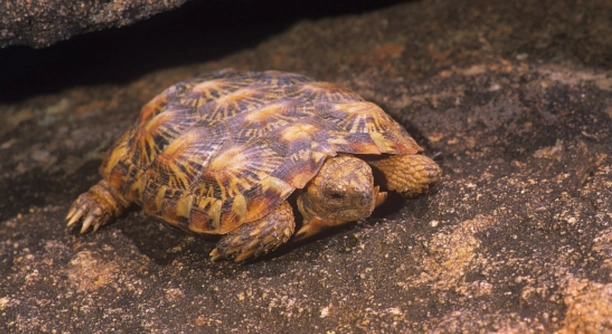
Tortoises are known for their slow and steady nature, but if you notice that your pet’s poop is unusually runny, it could be a sign of something important. Understanding the causes of this change is essential for their health.
Runny stool in tortoises can be caused by a variety of factors, including diet, hydration levels, parasites, and environmental stress. Identifying the root cause will help you take the necessary steps to address the issue and restore balance.
Learning about these causes will help you keep your tortoise happy and healthy. Let’s take a closer look at the potential reasons behind this concern.
Diet Imbalance and Nutritional Issues
A runny stool can often be linked to an improper diet. Tortoises need a balanced diet rich in fiber, fresh greens, and some fruits. If they are fed too much fruit or too little fiber, their digestive system can become upset, leading to diarrhea. The excess sugars from fruit can also affect their gut health.
An imbalance in calcium and phosphorus levels in their diet could also contribute to digestive problems. These nutrients need to be in the right ratio for proper digestion and bone health. Without this balance, tortoises can experience digestive upset, leading to runny stools.
It’s important to ensure that your tortoise’s meals are properly balanced with the right amount of fiber, calcium, and phosphorus. Offering a variety of foods like leafy greens, grasses, and some occasional fruits can help maintain good digestive health. If the problem persists, consider consulting with a veterinarian for a more tailored diet plan for your pet.
Hydration and Water Intake
Lack of proper hydration can cause your tortoise’s stool to become runny. Dehydration is a common issue, especially if they aren’t provided with enough fresh water. A tortoise’s diet, particularly leafy greens, should also offer moisture, but it may not be enough on its own.
It’s important to make sure your tortoise always has access to fresh water, especially if they are not eating moist vegetables regularly. Some tortoises may also benefit from soaking in shallow water to help them stay hydrated. Dehydration can lead to digestive issues, so keeping your pet hydrated is essential for their overall health.
If your tortoise has been drinking less water than usual, or if you’ve noticed other signs of dehydration, increase the water availability and try offering more hydrating foods. This small change can improve digestion and help resolve any digestive issues over time.
Parasites and Infections
Parasites, such as worms or protozoa, can affect your tortoise’s digestive system, causing runny stool. These infections are common in tortoises and often lead to more severe symptoms if untreated. You might notice other signs like lethargy, weight loss, or unusual behavior.
Veterinarians can diagnose parasitic infections through stool samples. Once identified, they will prescribe appropriate treatments, such as deworming medication, to get your tortoise back to health. If you suspect parasites, it’s crucial to seek professional help to prevent further complications. Regular check-ups and a clean habitat can help avoid these issues.
Infections from bacteria, fungi, or viruses can also lead to digestive issues and runny stool. The most common infection among tortoises is Salmonella, which affects their gut. Your tortoise may experience watery stool, a decrease in appetite, or swelling. Immediate veterinary treatment is needed to address infections before they worsen.
Environmental Stress
Environmental changes can greatly impact a tortoise’s digestion, leading to diarrhea. Stressors like sudden temperature fluctuations or changes in lighting can upset their stomachs. These changes can make your tortoise feel uneasy, which could lead to digestive problems.
Maintaining a stable environment is essential for your tortoise’s health. Ensure the habitat temperature stays consistent and that your tortoise has enough time in natural sunlight. Stress from improper lighting or temperatures can easily disrupt their digestive system, making them vulnerable to digestive upset.
Overfeeding or Sudden Diet Changes
Overfeeding your tortoise can lead to digestive issues, including runny stool. Large portions or sudden diet changes can upset their system. Gradually introducing new foods can help avoid stress on their digestive tract.
If you’ve recently changed their diet, monitor their stool to ensure everything stays normal. Sudden shifts can overwhelm their gut, causing watery stools or discomfort. Stick to a steady, balanced diet to prevent these issues.
Improper Food Choices
Certain foods, like high-fat items or too much fruit, can cause your tortoise’s stool to become runny. Feeding these in excess can upset their digestive system, leading to softer stools or diarrhea.
Always choose appropriate foods for your tortoise’s species, focusing on leafy greens and grasses. Avoid high-fat or overly sugary foods to maintain a healthy digestion.
FAQ
Why is my tortoise’s poop runny?
Runny poop in tortoises can be caused by several factors, including diet imbalance, dehydration, parasites, infections, or environmental stress. A sudden change in diet or overfeeding can also lead to soft stool. If the issue persists, it’s important to consult a veterinarian to identify any underlying health issues.
Can I treat my tortoise’s runny poop at home?
In some cases, you can make adjustments at home by changing your tortoise’s diet or increasing water intake. Offering more fiber and hydrating foods like leafy greens might help improve digestion. However, if the runny stool continues or worsens, a visit to the vet is necessary for a proper diagnosis and treatment.
What foods should I avoid feeding my tortoise to prevent runny poop?
Avoid feeding your tortoise high-fat or sugary foods like fruit, dairy, or processed snacks. These can upset their digestion and lead to diarrhea. Instead, focus on offering a balanced diet of leafy greens, grasses, and high-fiber vegetables. A varied and appropriate diet will help prevent digestive issues.
How can I tell if my tortoise is dehydrated?
Signs of dehydration in tortoises include dry, flaky skin, sunken eyes, lethargy, and reduced appetite. Their stool may also become runny or overly watery. Providing constant access to fresh water and soaking them in shallow water can help prevent dehydration. If symptoms persist, a vet visit is recommended.
How often should I feed my tortoise?
Tortoises should be fed daily, but the quantity and type of food can vary based on their age and species. Young tortoises may need more frequent meals, while adults generally eat less often. Overfeeding can lead to digestive problems, so it’s best to offer a measured amount each day.
Can stress cause my tortoise’s stool to become runny?
Yes, environmental stress such as sudden temperature changes, loud noises, or overcrowding can disrupt a tortoise’s digestive system. Stress affects their gut and can lead to diarrhea or other digestive problems. Make sure your tortoise’s habitat is stable, calm, and properly equipped to minimize stress.
Is it normal for tortoises to have runny poop sometimes?
Occasionally, tortoises may have softer stool, especially after a change in diet or when exposed to new environmental factors. However, frequent or prolonged runny poop is not normal and may indicate a health issue. It’s important to monitor their behavior and stool consistency closely.
How can I prevent my tortoise from getting parasites?
To reduce the risk of parasites, maintain a clean habitat for your tortoise. Regularly clean their enclosure, provide fresh food, and avoid feeding them from unsanitary sources. Routine vet check-ups and fecal exams can help detect and prevent parasitic infections before they cause health issues.
When should I see a vet about my tortoise’s runny poop?
If the runny stool lasts for more than a couple of days, or if it’s accompanied by other signs such as lethargy, weight loss, or appetite changes, you should consult a vet. Persistent digestive issues might indicate a more serious underlying condition that requires medical attention.
How can I help my tortoise stay hydrated?
Ensure your tortoise has constant access to fresh, clean water. Some species benefit from being soaked in shallow water for 20-30 minutes, especially if they aren’t drinking enough. Adding water-rich foods like leafy greens to their diet can also help maintain hydration levels.
Can overfeeding cause runny stool in tortoises?
Yes, overfeeding, especially with high-sugar or fatty foods, can cause digestive problems, including runny stools. Offering more food than necessary can overwhelm their digestive system, causing diarrhea or discomfort. Stick to appropriate portion sizes based on your tortoise’s species and age to avoid overfeeding.
What should I do if my tortoise’s stool has blood in it?
Blood in a tortoise’s stool is a serious issue and requires immediate attention from a veterinarian. It could be a sign of an internal infection, injury, or other digestive issues. Don’t wait—contact a vet as soon as possible to ensure your tortoise receives the proper care.
Can temperature changes affect my tortoise’s digestion?
Yes, sudden temperature fluctuations can stress your tortoise, leading to digestive issues, including runny stool. It’s crucial to maintain a stable environment with appropriate basking and cooler areas to regulate their body temperature. Proper lighting and temperature control are essential for healthy digestion.
Should I adjust the humidity in my tortoise’s habitat?
Yes, humidity plays a role in digestion and overall health. Some tortoises, particularly tropical species, require a certain level of humidity to maintain proper hydration and digestion. Be sure to research your tortoise’s specific needs and adjust the humidity levels accordingly to prevent digestive issues.
Final Thoughts
A tortoise’s runny poop can be alarming, but it’s often a sign of something temporary like a diet change or dehydration. However, if the issue persists, it could indicate something more serious, like a digestive infection or parasites. It’s important to monitor your tortoise’s health closely and make sure their environment and diet are suitable for their specific needs. In many cases, adjusting their food intake, ensuring proper hydration, and providing a calm environment can help improve their digestive health.
Understanding your tortoise’s normal behavior and stool consistency is key to spotting potential problems early. Pay attention to any changes in their appetite, behavior, or stool quality. For example, if your tortoise is eating normally but still has watery stools, it could suggest an underlying issue that needs attention. Similarly, if their stool is consistently runny after a diet change, you may want to adjust the foods you’re offering or consult with a vet. Keeping their habitat clean and maintaining proper temperature and humidity levels will also help prevent digestive issues and keep them healthy in the long run.
If your tortoise’s runny poop persists, or if they show other concerning signs like lethargy or loss of appetite, it’s important to seek professional veterinary care. A vet can run tests to determine if parasites or infections are the cause and recommend the best course of treatment. Early detection and intervention can make a big difference in your tortoise’s recovery. Taking proper care of your tortoise’s health involves consistent monitoring and timely action when issues arise, ensuring they live a long, healthy life.

Hello,
If you enjoy the content that we create, please consider saying a "Thank You!" by leaving a tip.
Every little bit helps us continue crafting quality advice that supports the health, happiness, and well-being of pets around the world, for pets of all shapes, sizes, and species.
We really appreciate the kindness and support that you show us!