
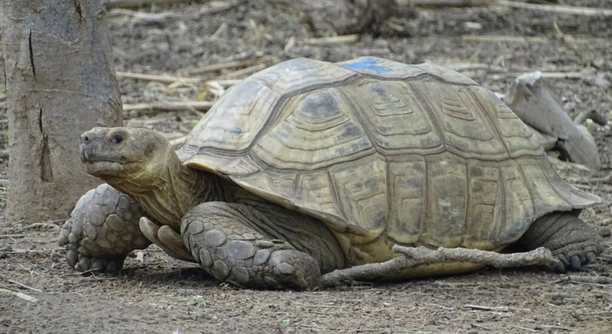
Bathing your tortoise can be a tricky task, especially if they aren’t too fond of water. Finding ways to make it easier can help keep both you and your pet happy. It’s important to approach this with patience.
The simplest way to make bathing your tortoise easier is by setting up a shallow water bath in a safe, enclosed area. This allows your tortoise to feel comfortable and prevents them from escaping. Keep the water lukewarm and gently guide them in.
Understanding these simple tricks will help ensure bath time becomes a stress-free and enjoyable experience for both you and your tortoise.
Preparing the Bathing Area
When setting up the bath, choose a shallow container that is large enough for your tortoise to move around in but not too deep. A plastic tub or a small basin works well. Make sure the edges are smooth to prevent your tortoise from getting injured while trying to climb out. Always use lukewarm water, as very hot or cold water can stress them out. The water should come up to just above their legs, leaving their head and shell above the surface. This helps your tortoise stay calm and comfortable during the bath.
Creating a comfortable space makes bath time easier for both you and your tortoise. Place the container in a quiet area to minimize distractions.
Remember, tortoises are slow movers and may take their time getting in the water. Patience is key. Don’t rush them into the bath; instead, gently guide them if necessary. Bathing your tortoise shouldn’t feel like a stressful event. The more relaxed the environment, the better the experience will be for them.
Bathing Frequency
Bathing your tortoise is necessary, but not too often. A weekly bath is typically sufficient. Over-bathing can lead to skin issues, so it’s essential to avoid doing it too frequently.
Regular baths ensure that your tortoise stays hydrated and clean. A bath is also a great way to check on your tortoise’s health and skin condition. A quick, gentle scrub with a soft brush can help remove dirt and debris that might build up on their shell.
Water Temperature
It’s important to keep the water at the right temperature for your tortoise. Lukewarm water is ideal, as it’s comfortable and safe for them. If it’s too hot or too cold, your tortoise could get stressed. Always test the water with your hand before placing them in it.
Using lukewarm water will help your tortoise stay calm during their bath. Too cold can cause discomfort and too hot can lead to stress. Ensure the temperature is within a safe range, typically around 80-85°F (27-29°C). This temperature is gentle enough to prevent any harm while keeping them relaxed during their bath.
A good way to ensure the water stays the right temperature is to monitor it regularly. If you’re unsure, you can always use a thermometer to confirm that it’s in the ideal range. It’s a small step, but it makes bath time a lot more pleasant.
Bathing Time
Bath time should be relatively short. It’s best to keep the bath to about 10-15 minutes to prevent your tortoise from becoming too stressed. Spending too much time in the water could cause them to get anxious or even overexert themselves.
If your tortoise seems comfortable, you can increase the time by a few minutes, but avoid overdoing it. The goal is to hydrate them, not exhaust them. During bath time, keep an eye on their behavior. If they start to show signs of stress, such as trying to escape, it’s time to end the bath.
Drying Your Tortoise
After the bath, gently dry your tortoise with a soft towel. Avoid using harsh materials that could irritate their skin. Make sure to dry both their shell and body, paying extra attention to the areas around their legs. This helps prevent any moisture from causing skin problems.
It’s important to thoroughly dry your tortoise to keep them comfortable and avoid any dampness that can lead to shell rot or other skin issues. Drying them well is a simple but essential step after each bath.
Shell Care
Your tortoise’s shell requires special attention. Regularly inspect it for any signs of damage or buildup. A clean, healthy shell helps prevent infections and promotes overall well-being. You can clean the shell with a soft brush and lukewarm water, gently removing debris.
If you notice any discoloration or rough patches, it might be worth consulting a vet. Healthy shell care contributes significantly to your tortoise’s comfort and health, making it an essential part of your routine.
FAQ
How often should I bathe my tortoise?
Bathing your tortoise once a week is usually sufficient. Bathing too frequently can cause skin irritation or stress. However, if your tortoise seems particularly dirty or is having difficulty shedding, more frequent baths may be needed. Always monitor their condition and adjust accordingly.
Can I use soap to bathe my tortoise?
No, you should never use soap to bathe your tortoise. Soap can be harmful to their skin and shell, disrupting their natural oils and causing irritation. Instead, use lukewarm water and a soft brush to clean them gently. Soap-free water is the best option for keeping them clean without causing harm.
What should I do if my tortoise refuses to get into the water?
If your tortoise is reluctant to enter the water, try gently guiding them in using your hands. Ensure the water is at a comfortable temperature and the area is quiet and calm. Sometimes tortoises need a little time to adjust, so try not to force them.
Can I bathe my tortoise in cold water?
Cold water is not suitable for your tortoise. It can cause stress and make them uncomfortable. Always ensure the water is lukewarm, ideally around 80-85°F (27-29°C), to help them feel relaxed and safe during their bath. Testing the water with your hand can help ensure the right temperature.
How do I know if my tortoise is stressed during bath time?
Signs of stress in a tortoise include excessive movement, trying to climb out of the water, or hiding in their shell. If you notice any of these behaviors, it’s time to end the bath. Tortoises should remain calm, moving at a relaxed pace in the water.
Can I leave my tortoise in the water for a long time?
No, it’s best not to leave your tortoise in the water for more than 15 minutes. Over-bathing can cause stress or dehydration. Keep bath time short to prevent discomfort. After the bath, dry your tortoise thoroughly to ensure they stay warm and comfortable.
What type of container should I use for bathing my tortoise?
Use a shallow container, such as a plastic tub or a small basin, that allows your tortoise to comfortably move around. Ensure the sides are not too high so they can easily enter and exit the water without struggling. The container should be large enough for them to turn around but not too deep.
Do I need to clean my tortoise’s shell?
Yes, it’s important to keep your tortoise’s shell clean to prevent dirt and debris buildup. Use a soft brush and lukewarm water to gently clean the shell. Avoid using harsh tools that could scratch or damage the shell. Regular cleaning helps maintain good hygiene and shell health.
Can I bathe my tortoise if it has a shell injury?
If your tortoise has a shell injury, it’s best to avoid water baths until the injury heals. Moisture can increase the risk of infection if the shell is damaged. Instead, clean the wound with a mild antiseptic and keep the tortoise in a dry, clean environment until recovery.
How can I help my tortoise stay hydrated?
Bathing your tortoise helps with hydration, as they absorb water through their skin. Offering fresh water in a shallow dish for drinking is also important. Tortoises often prefer to hydrate in a bowl they can crawl into. Regular bathing and access to clean water help maintain proper hydration.
Is it normal for my tortoise to try to escape during bath time?
It’s normal for a tortoise to show some signs of wanting to escape. They may not enjoy being in water for long periods. If your tortoise seems particularly anxious or restless, it’s best to end the bath early. Always monitor their behavior and avoid forcing them into the water.
Can I bathe a baby tortoise the same way as an adult?
Yes, baby tortoises can be bathed the same way as adults, but their bath should be shorter due to their smaller size. Use a shallower container and ensure the water is only just above their legs. Monitor them closely to prevent any distress or water-related issues.
Can I use warm water from the tap for my tortoise’s bath?
Warm water from the tap can be used, but be sure to check the temperature first. It should not be too hot, as tap water can vary in temperature. Test the water with your hand to ensure it is within a comfortable range before placing your tortoise in.
What should I do if my tortoise seems sick after a bath?
If your tortoise shows signs of illness after a bath, such as lethargy, loss of appetite, or unusual behavior, it’s important to consult a veterinarian. While baths can help with hydration and cleaning, they should not cause any health issues. Seek professional advice if you notice anything unusual.
Final Thoughts
Bathing your tortoise can be a simple and rewarding routine, as long as it is done correctly. It provides more than just hygiene; it’s an opportunity to check your tortoise’s health, ensure hydration, and promote overall well-being. Regular baths can help prevent skin problems, shell rot, and dehydration. The key is to avoid overdoing it, as excessive bathing may lead to stress or other complications. Keeping the bath short and ensuring the water temperature is just right can make a significant difference in your tortoise’s comfort and health.
Creating a consistent bathing schedule helps your tortoise get used to the process. It’s important to establish a calm environment so your tortoise can feel safe and relaxed. If your tortoise seems stressed or refuses to enter the water, don’t force it. Instead, try making the experience less intimidating. Start by placing them in a shallow dish and slowly increase the depth as they get more comfortable. This gradual approach will help your tortoise associate bath time with positive experiences. Over time, they’ll become more accustomed to it.
In conclusion, while bathing is essential for your tortoise’s hygiene and health, it should be done with care and consideration. Always ensure the water temperature is right, the bath time is brief, and that your tortoise is thoroughly dried afterward. By following these simple steps and making bath time a routine, you’ll help your tortoise stay clean, hydrated, and happy.

Hello,
If you enjoy the content that we create, please consider saying a "Thank You!" by leaving a tip.
Every little bit helps us continue crafting quality advice that supports the health, happiness, and well-being of pets around the world, for pets of all shapes, sizes, and species.
We really appreciate the kindness and support that you show us!