
Tortoises are popular pets for many animal lovers, especially beginners who appreciate their slow and steady nature. However, choosing the right breed and understanding their care needs can be a bit tricky.
The best tortoise breeds for beginners are typically hardy, easy to handle, and have manageable care requirements. Some of the top breeds include the Russian Tortoise, Leopard Tortoise, and the Hermann’s Tortoise. These species are often recommended for novice owners.
There are several breeds that are suitable for beginner tortoise owners. Understanding the specific care each breed requires will help ensure your pet’s well-being and happiness.
1. Russian Tortoise: Small, Hardy, and Low-Maintenance
The Russian Tortoise is a great choice for beginners because of its small size and hardy nature. This breed is typically between 6 to 8 inches long, which makes them easy to care for in a small space. They are well-suited for both indoor and outdoor enclosures. Russian Tortoises are also known for their calm temperament, making them easy to handle, though they can be a bit shy at first. They thrive in moderate temperatures and require a dry, sandy substrate for their enclosure.
When it comes to feeding, the Russian Tortoise eats a variety of vegetables, including leafy greens and grasses. They need a balanced diet to stay healthy and active.
These tortoises don’t require excessive attention, which is perfect for those who are new to owning reptiles. Their diet and habitat needs are simple, and they can adapt well to their surroundings if given the proper care.
2. Leopard Tortoise: Large and Elegant
The Leopard Tortoise is another excellent option for beginners.
This breed grows larger, reaching sizes of up to 18 inches. However, their calm demeanor and unique spotted shells make them popular among tortoise owners. They require a larger enclosure to accommodate their size but remain relatively low-maintenance once settled.
Leopard Tortoises are herbivores, eating a variety of grasses, leafy greens, and cactus pads. They thrive in warm, dry conditions and need access to a safe outdoor space for sunbathing. Providing a humid hide to escape the heat is essential, especially during the cooler months.
Their personality is often described as gentle, and they can be very curious, especially when it comes to exploring their environment. With proper care, Leopard Tortoises can live for decades. Therefore, it’s important to ensure they have enough space to roam and exercise. The commitment is a bit more significant than smaller breeds, but the payoff is worth it.
3. Hermann’s Tortoise: Compact and Easy to Manage
Hermann’s Tortoise is a perfect fit for first-time owners due to its manageable size and peaceful nature.
This species grows to about 6 to 8 inches, making it ideal for smaller spaces. They adapt well to both indoor and outdoor environments, as long as they have access to natural sunlight. Hermann’s Tortoises are generally active and enjoy roaming around their enclosure. Their diet consists of leafy greens, vegetables, and some fruits, ensuring they stay healthy and strong.
With proper care, Hermann’s Tortoise can live for several decades, making it a long-term commitment. These tortoises need a dry, safe space to roam and plenty of opportunities to soak up UVB light for strong shells. Their calm and friendly nature makes them a joy to handle, especially as they grow accustomed to their new environment.
4. Greek Tortoise: Adaptable and Hardy
The Greek Tortoise is known for being adaptable and resilient.
Native to various regions, including Europe and the Middle East, the Greek Tortoise thrives in a variety of climates and enclosures. They are relatively small, reaching around 8 to 10 inches in length, which makes them easy to care for. These tortoises enjoy basking in the sun and need a warm, dry environment to stay healthy. Greek Tortoises are herbivores, feeding mainly on grasses, weeds, and leafy greens.
They are friendly and curious, often exploring their surroundings in search of food or new places to hide. Their calm demeanor makes them a popular choice for families with children or new reptile owners. However, it’s important to monitor their diet and ensure they are getting enough fiber to avoid digestive issues. Regular cleaning of their enclosure is also key to maintaining their health.
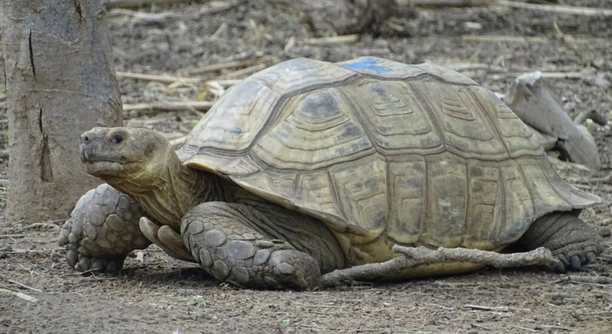
5. Sulcata Tortoise: Large and Independent
The Sulcata Tortoise is one of the largest species, reaching up to 30 inches in length.
Though they require a large enclosure and plenty of space to roam, they are relatively low-maintenance once settled. They need access to sunlight and a varied diet of grasses and hay.
Sulcata Tortoises are hardy creatures and can live for decades with the right care. They are known for their independence and are generally low-energy, making them a good option for owners who can provide ample space but may not have time for constant interaction. Their large size and long lifespan mean they require a significant commitment.
6. Indian Star Tortoise: Beautiful and Active
The Indian Star Tortoise is admired for its striking shell pattern and manageable size.
While they grow to about 10 to 12 inches, they’re highly active and love to explore their environment. Their diet is herbivorous, consisting mainly of grasses, weeds, and leafy greens. These tortoises do best in warm climates with plenty of UVB light exposure.
These tortoises are typically easy to care for, but they need a well-maintained enclosure with both dry and humid areas for proper health. They are more social than some other breeds, so handling and interaction can be rewarding for owners. However, due to their activity levels, they will need plenty of space to roam freely.
FAQ
How much space does a tortoise need?
The space requirements for a tortoise depend on the species. Smaller tortoises, like the Russian Tortoise or Hermann’s Tortoise, require a minimum of 4×8 feet of space, while larger species, such as the Sulcata, need much more—up to 10×10 feet or more. If kept indoors, they should have a spacious enclosure with enough room for them to move around. Outdoor enclosures are best if you live in a climate that allows for it. Regardless of the size, tortoises also need access to areas for basking, hiding, and grazing, depending on the species.
What do tortoises eat?
Tortoises are primarily herbivores, with their diet mostly consisting of grasses, weeds, leafy greens, and certain fruits. Species like the Russian and Greek Tortoise prefer grasses, while others, like the Leopard Tortoise, can eat cactus pads and succulents. You should avoid feeding them iceberg lettuce or too much fruit, as it can upset their digestive system. Fresh water should always be available, and some species may benefit from occasional supplementation of vitamins or calcium for strong shells.
Can tortoises live outside year-round?
Whether a tortoise can live outside year-round depends on the climate where you live and the specific needs of the species. For example, the Russian Tortoise can tolerate cooler temperatures and might thrive in outdoor enclosures in temperate regions. However, tortoises like the Sulcata or Leopard Tortoise, which require warmer conditions, may need a heated shelter during colder months. In general, outdoor living should be provided in a secure, escape-proof enclosure that protects the tortoise from predators.
Do tortoises need UVB light?
Yes, UVB light is essential for tortoises to synthesize vitamin D3, which helps them absorb calcium and maintain strong bones and shells. Even if you keep your tortoise outdoors, it’s a good idea to provide UVB lighting indoors, especially during the colder months when they may not have access to natural sunlight. UVB lights should be replaced every 6 to 12 months, as their effectiveness diminishes over time.
How often should I feed my tortoise?
The feeding schedule for tortoises can vary depending on their species and age. Generally, adult tortoises are fed every other day or 3 to 4 times a week. Younger tortoises may require daily feeding. It’s important to offer them a variety of leafy greens, grasses, and some vegetables. Always remove uneaten food to prevent it from spoiling. Make sure to adjust the amount of food to maintain a healthy weight for your tortoise. Overfeeding can lead to obesity and shell problems, so portion control is important.
What temperature should I keep my tortoise at?
Temperature is vital for tortoise health. Most tortoises require a basking area with temperatures around 90°F to 95°F, depending on the species. The cooler side of the enclosure should be around 70°F to 80°F. You can achieve these temperatures using heat lamps or ceramic heaters. It’s important to have a temperature gradient, so the tortoise can regulate its body temperature by moving between warmer and cooler areas. Never allow the temperature to drop below 60°F for long periods, as this can lead to health issues.
How often should I clean my tortoise’s enclosure?
Enclosures should be cleaned regularly to ensure a healthy environment. Spot clean daily, removing uneaten food and waste. A deep cleaning should be done weekly or bi-weekly, depending on the size of the enclosure and the number of tortoises. During deep cleaning, you should wash all surfaces with a reptile-safe disinfectant, remove old substrate, and replace it with fresh bedding. Always make sure the enclosure is dry and clean to prevent bacteria buildup and health issues.
Can tortoises be handled often?
Tortoises are generally not as social as other pets like dogs or cats, and they may not enjoy frequent handling. However, most species tolerate gentle handling, especially when they are accustomed to it. Regular, calm interaction can help create a bond with your tortoise and reduce stress. Be mindful of their behavior—if they seem agitated or stressed, it’s best to give them space. Always support their body properly when picking them up, and never grab them by their shells.
How long do tortoises live?
Tortoises are long-lived creatures, with many species living for decades. Some species, like the Russian Tortoise, can live 40 years or more, while larger species like the Sulcata Tortoise can live up to 70 years. Leopard Tortoises also have long lifespans, often reaching 50 years. This makes tortoises a significant long-term commitment, so it’s essential to be prepared for their care needs throughout their life. A healthy diet, proper habitat, and regular veterinary checkups can contribute to their longevity.
What do I need to know before getting a tortoise?
Before getting a tortoise, it’s important to research the specific breed you’re interested in, as each species has different needs regarding diet, temperature, and space. Make sure you have enough space in your home or yard for a proper enclosure. Tortoises are long-lived and may require care for decades, so commitment is key. You should also be prepared to provide regular veterinary care and understand the financial cost of maintaining an appropriate habitat. Make sure the species you choose is suited to your lifestyle and environment.
Do tortoises need companionship?
Unlike some pets, tortoises do not require constant companionship. Many species are solitary animals in the wild and are content living alone in captivity. However, some species may tolerate the presence of another tortoise, provided there is enough space for both to roam without stress. If you decide to keep multiple tortoises, make sure to monitor their behavior for signs of aggression or competition for food and space.
Final Thoughts
Choosing the right tortoise breed for beginners involves understanding the care each species needs. While some tortoises are smaller and easier to manage, others are larger and require more space. It’s important to research the breed thoroughly before making a decision. Some tortoises may be more adaptable to indoor living, while others thrive outdoors. Understanding their diet, habitat, and temperature requirements will help ensure your tortoise lives a long, healthy life.
Tortoises are generally low-maintenance compared to other pets, but they do require a steady commitment. Their long lifespan means they may be part of your life for many decades, so it’s crucial to make sure you are ready for this responsibility. Setting up an appropriate enclosure, providing UVB lighting, and maintaining the right temperature are all key to keeping them happy. Their diet should be varied with plenty of fresh greens, and some species will need more specialized food. Regular cleaning and occasional veterinary care are also important for their well-being.
Owning a tortoise can be a rewarding experience. These calm, slow-moving creatures can make wonderful pets for those who are patient and prepared. By choosing the right breed and learning about their care needs, you can ensure your tortoise has a safe and comfortable environment. While they may not be as interactive as other pets, their unique personalities and long lives make them fascinating companions. With the right care and attention, a tortoise can become a lasting part of your home.

Hello,
If you enjoy the content that we create, please consider saying a "Thank You!" by leaving a tip.
Every little bit helps us continue crafting quality advice that supports the health, happiness, and well-being of pets around the world, for pets of all shapes, sizes, and species.
We really appreciate the kindness and support that you show us!