
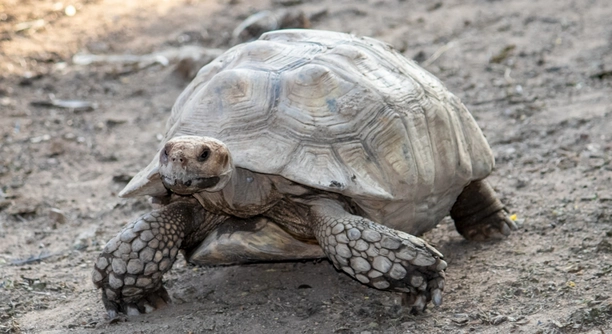
A tortoise’s enclosure can sometimes develop an unpleasant odor, which may be caused by factors like moisture, waste, and food remnants. Keeping the habitat fresh is important for the health and comfort of your pet.
The key to maintaining a fresh-smelling tortoise enclosure lies in regular cleaning, proper ventilation, and choosing the right substrate. Using absorbent materials, removing waste frequently, and ensuring the area is well-ventilated can significantly reduce odors.
By following these steps, you will not only ensure a more pleasant environment for your tortoise but also improve the overall air quality in the space. Keep reading to learn more.
Proper Substrate Selection
Choosing the right substrate is a simple yet effective way to maintain a fresh-smelling tortoise enclosure. Natural materials like coconut coir, aspen shavings, and cypress mulch are great choices because they absorb moisture and odors. Avoid using sand or gravel, as they don’t have the same odor-absorbing properties. The key is to select a substrate that can hold moisture, prevent excessive humidity, and keep waste contained. Regularly changing the substrate, at least once a month or more depending on the size of the enclosure, can make a noticeable difference in smell. When changing the substrate, always clean the enclosure thoroughly to ensure that no odors linger. Additionally, try using a combination of materials to create a more balanced environment, ensuring that moisture doesn’t get trapped.
A clean, dry substrate creates a healthy habitat for your tortoise while helping to control odors.
Another helpful tip is to monitor the humidity levels in the enclosure. High humidity can lead to mold growth, which contributes to unpleasant smells. A humidity gauge will help you track and maintain proper levels.
Regular Cleaning and Waste Removal
Keeping the enclosure clean is essential in preventing bad odors. Remove uneaten food, waste, and soiled substrate as soon as possible to avoid bacteria buildup. Tortoises often defecate in the same spot, so spot cleaning daily can help. A small scoop or shovel can make waste removal easier.
In addition to spot cleaning, deep cleaning should be done at least once a month. This includes washing the walls, substrate, and any decorations with mild soap and warm water. Make sure everything is thoroughly dried before returning it to the enclosure. Clean food dishes and water bowls daily to prevent food residue from accumulating.
Regular cleaning habits are key to maintaining a fresh-smelling environment. Clean any hard surfaces with a disinfectant safe for reptiles, ensuring that any debris is completely removed. A clean environment helps minimize odor and promotes better health for your tortoise.
Ventilation
Proper ventilation is another important factor in keeping your tortoise’s enclosure fresh. Without enough airflow, moisture can build up, leading to unpleasant smells and even mold. Make sure the enclosure has enough air circulation to reduce the risk of humidity buildup.
Good ventilation can be achieved by choosing an enclosure with proper air holes or vents. If you’re using a tank, consider adding a small fan to circulate air, especially in humid climates. Keep the enclosure in a well-ventilated area and avoid placing it near a heat source or in direct sunlight, as this can cause temperature fluctuations that affect humidity.
A well-ventilated enclosure prevents the air from becoming stagnant and helps keep the environment comfortable for your tortoise. Fresh airflow contributes to a cleaner, odor-free space and supports a healthier living environment.
Deodorizing Products
Using safe deodorizing products can help control odors in the tortoise’s enclosure. Look for reptile-safe odor neutralizers, which are designed to eliminate smells without harming your pet. Avoid using harsh chemicals, as they may irritate your tortoise’s sensitive skin and respiratory system.
Baking soda is an excellent natural deodorizer. Sprinkle a small amount on the substrate, mix it in, and it will absorb moisture and neutralize odors. Be sure to check that the baking soda doesn’t affect the humidity levels inside the enclosure. Frequent cleaning along with deodorizing products will keep the space fresh.
Humidity Control
Maintaining the proper humidity level in your tortoise’s enclosure is crucial to prevent mold growth and bad odors. Use a humidity gauge to ensure the environment remains at the ideal level for your specific tortoise species. Too much humidity can lead to damp conditions, which encourage bacteria growth.
To control humidity, consider adding a humidity dome or misting system if needed. It’s important to find the balance—too little humidity can cause dehydration, while too much can lead to fungal and bacterial issues. Regularly monitor and adjust the humidity to suit your tortoise’s needs.
Placement of the Enclosure
Where you place your tortoise’s enclosure can have a significant impact on odor control. Choose a well-ventilated area with minimal exposure to direct sunlight, which can lead to excess heat and moisture buildup. Avoid placing the enclosure in damp or overly humid rooms, as this can affect both your pet’s health and the enclosure’s smell.
FAQ
How often should I clean my tortoise’s enclosure?
Cleaning the enclosure at least once a week is essential. Spot cleaning should be done daily to remove any waste or uneaten food. Deep cleaning, which includes washing the substrate and decorations, should occur every 4 to 6 weeks. If you notice any strong odors or excess moisture, increase the frequency of cleaning. Regular cleaning prevents bacteria buildup and keeps the enclosure smelling fresh.
Can I use air fresheners in my tortoise’s enclosure?
Air fresheners and scented sprays are not recommended for tortoise enclosures. They often contain chemicals that can irritate your tortoise’s respiratory system and skin. Instead, use natural deodorizing methods like baking soda or reptile-safe deodorizing products specifically designed for enclosures. Maintaining good airflow and regularly cleaning the space will naturally keep odors at bay.
What is the best substrate for a tortoise’s enclosure?
Coconut coir, cypress mulch, and aspen shavings are some of the best substrates for tortoises. They are absorbent, help control moisture, and can keep odors under control. Avoid using sand or gravel, as they do not absorb moisture effectively and can contribute to a musty smell. It’s important to choose a substrate that matches the humidity needs of your tortoise species. Regularly replace the substrate, as it can trap waste and odors over time.
How can I control humidity in the enclosure?
Use a humidity gauge to monitor the levels in your tortoise’s enclosure. Adjust the humidity by adding a humidity dome or misting system if necessary. For species that prefer dry environments, ensure the enclosure stays dry and doesn’t trap moisture. If your tortoise requires higher humidity, use a shallow water dish or mist the substrate lightly to maintain moisture without creating excess dampness.
Can I use sand in my tortoise’s enclosure?
Sand is not recommended as the primary substrate for most tortoises. It does not absorb moisture well and can lead to problems like impaction if ingested. For tortoises that naturally live in arid environments, a small amount of sand can be used to mix with other substrates like coconut coir. However, be cautious and ensure the sand does not dominate the habitat, as it may increase the risk of bacteria and odors.
What can I do if the enclosure smells like mold?
If the enclosure smells like mold, it usually means there is excess moisture or poor ventilation. First, remove any wet substrate and replace it with dry material. Clean the enclosure thoroughly, paying close attention to areas where moisture may have accumulated, such as corners or under decorations. Ensure proper ventilation by opening vents or using a fan, and monitor humidity levels. If mold continues to appear, you may need to check for leaks or other sources of excess moisture.
How can I improve the airflow in my tortoise’s enclosure?
Improving airflow is important for reducing odors and maintaining a healthy environment for your tortoise. Ensure that your enclosure has adequate ventilation, either through built-in vents or by placing it in an area with good natural airflow. If you use a tank, consider adding a small fan or increasing the number of air holes to allow for better circulation. Avoid placing the enclosure in a corner or tight space where airflow is restricted.
Can I use a heat lamp to help with odor control?
A heat lamp can indirectly help control odors by drying out excess moisture, which prevents mold and bacteria from thriving. However, make sure not to overheat the enclosure. Excessive heat can lead to dehydration and discomfort for your tortoise. Use a thermometer to keep the temperature stable and avoid placing the heat lamp too close to the substrate, as this may cause it to dry out too quickly and affect humidity.
How can I prevent my tortoise from overeating and creating more waste?
Overfeeding can lead to excess waste and odors in the enclosure. Stick to a feeding schedule and provide appropriate amounts of food based on your tortoise’s size and species. Monitor your tortoise’s eating habits and adjust portion sizes as needed. Remove any uneaten food after each meal to prevent it from rotting in the enclosure and contributing to odors.
Is it necessary to use a filter in the water bowl?
A water filter can be helpful but is not always necessary. If your tortoise tends to drink a lot of water, you can use a simple water filter to keep the bowl clean for longer periods. However, it’s important to clean the water dish daily, even if you use a filter, as food particles and waste can accumulate quickly, causing odors. Be sure to change the water regularly to prevent bacteria growth.
Can I use pine or cedar shavings in the enclosure?
Avoid using pine or cedar shavings as a substrate for tortoises. These types of wood contain oils that can be harmful to your tortoise’s respiratory system and skin. They may also cause irritation and allergic reactions. Stick to safer options like coconut coir, aspen shavings, or cypress mulch, which are gentle on your tortoise and provide better odor control.
How do I know if my tortoise is affected by bad smells?
If your tortoise is affected by unpleasant odors, you may notice behavioral changes, such as reduced appetite, lethargy, or avoidance of certain areas of the enclosure. Bad smells can indicate poor air quality or unsanitary conditions, which can lead to respiratory issues and stress. Always monitor your tortoise’s health and cleanliness to prevent these problems.
What should I do if the enclosure has a strong ammonia smell?
A strong ammonia smell is a sign of waste buildup in the substrate. This can be due to a lack of regular cleaning or insufficient absorption of urine. Remove the soiled substrate immediately, replace it with fresh material, and clean the enclosure thoroughly. Ensure the substrate you use can adequately absorb moisture to prevent ammonia odors from developing.
Can I use natural herbs to freshen the enclosure?
Using natural herbs like lavender or mint can help freshen up the enclosure, but they should be used sparingly. Some tortoises may find the scent of certain herbs overwhelming or irritating. It’s best to place a small sachet of dried herbs in a corner of the enclosure and see how your tortoise reacts. Always ensure that the herbs are safe for reptiles and do not contain any harmful chemicals.
Final Thoughts
Maintaining a tortoise’s enclosure is essential for their health and comfort. Regular cleaning, proper substrate, and ensuring the right humidity and ventilation can prevent unwanted odors. By keeping these factors in mind, you will help create a more pleasant environment for both you and your tortoise. It’s not only about aesthetics but also about promoting the well-being of your pet.
To control odors effectively, it’s important to focus on the basics. This includes providing the right habitat, cleaning regularly, and using natural methods to neutralize odors. Avoid using harmful chemicals or scented products that may negatively impact your tortoise’s health. Natural alternatives, such as coconut coir, and ensuring proper airflow, can go a long way in making the enclosure fresh and safe for your tortoise.
By following these steps, you can ensure your tortoise’s home remains a comfortable and clean space. Regular monitoring of the environment, along with careful adjustments, will help maintain a healthy balance. A clean and fresh-smelling enclosure will not only make your tortoise happier but will also make it more enjoyable for you to care for them.

Hello,
If you enjoy the content that we create, please consider saying a "Thank You!" by leaving a tip.
Every little bit helps us continue crafting quality advice that supports the health, happiness, and well-being of pets around the world, for pets of all shapes, sizes, and species.
We really appreciate the kindness and support that you show us!