
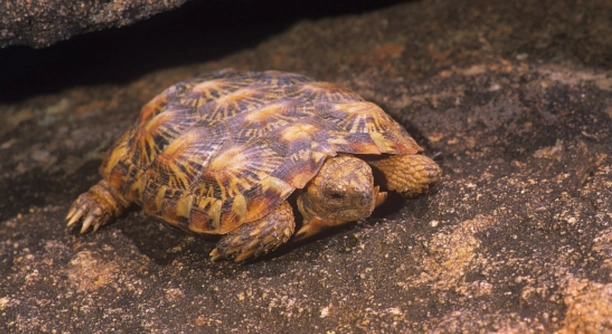
Tortoises make great pets, but keeping them entertained can sometimes be a challenge. They are unique animals with specific needs, and finding engaging activities for them can help keep them happy and healthy.
There are several activities that can help stimulate your pet tortoise, such as offering varied outdoor exploration, interactive feeding games, and creating obstacle courses. These activities can help mimic their natural behaviors, providing both physical and mental stimulation for your tortoise.
These fun ideas will help you keep your pet tortoise active, healthy, and content. Read on to learn how to get started with these enriching activities.
Outdoor Exploration Time
Tortoises love to roam, and allowing them to explore a safe outdoor environment can provide both physical and mental stimulation. Set up an enclosed space where your tortoise can wander freely, explore different textures, and forage for food. Grass, soil, and even small rocks are excellent for your tortoise to interact with. The varied terrain will help strengthen their muscles and keep them active. Always supervise your tortoise while they explore to ensure they stay safe from predators or harmful plants. This kind of outdoor activity simulates the natural environment of your tortoise, helping them stay healthy and engaged.
A controlled outdoor space will allow your tortoise to enjoy the fresh air while staying protected. Make sure the area has shade to avoid overheating.
Consider changing up the area every now and then to give your tortoise new things to discover. This will keep the environment stimulating and prevent boredom. Offering occasional treats like leafy greens or fruits can add an extra incentive for exploration. A safe outdoor space lets your tortoise experience the natural world while staying in your care.
Interactive Feeding Games
Feeding time can be more than just giving your tortoise food. Incorporating games during mealtime can make it more interesting. Try hiding food in different places around their enclosure or creating simple puzzles that involve moving objects to uncover a treat. This activity encourages them to use their natural foraging skills.
Hiding their food in different places makes feeding time more engaging. It helps your tortoise stay active and mentally stimulated.
Use items like small containers, cardboard boxes, or tunnels to hide their food. This adds an element of excitement and challenge to their day. The mental exercise helps to keep your tortoise alert and sharp, improving their overall well-being. This simple adjustment to feeding time can make a noticeable difference in your pet’s happiness.
Obstacle Course Fun
Setting up a simple obstacle course is a great way to keep your tortoise active. Use household items like cardboard, small logs, and rocks to create challenges. These obstacles encourage them to climb, crawl, and explore, simulating the environments they would encounter in the wild.
Start small and gradually increase the difficulty. Monitor your tortoise to ensure they can navigate the course safely. This activity not only keeps them physically active but also helps improve their coordination and problem-solving skills. Creating new courses will also provide variety, preventing boredom and encouraging your tortoise to stay engaged.
You can introduce objects of different textures, such as smooth rocks, rough logs, and soft grass. This variation helps keep the activity interesting and engaging. Avoid anything that could pose a danger, like sharp edges or materials that could be harmful if ingested.
Social Interaction Time
Tortoises are generally solitary animals, but they still benefit from some social interaction. Spending time with your tortoise each day will help strengthen the bond between you and encourage them to stay calm and content.
You can sit next to their enclosure, talk to them, or even offer them food by hand. These small moments of interaction can create a sense of comfort and trust. While tortoises don’t require constant attention, they do appreciate familiar and calm surroundings, which you can provide through your consistent presence.
Remember not to overwhelm your tortoise. Keep interactions gentle and brief, respecting their need for space. It’s also helpful to establish a routine so your tortoise feels secure in their environment.
Bath Time Adventures
Bath time can be both fun and beneficial for your tortoise. Not only does it help with hydration, but it also offers a chance to bond. Fill a shallow dish with lukewarm water, just enough for them to soak in.
Allow your tortoise to enjoy the bath for about 15-20 minutes. Make sure the water is not too hot or deep, as tortoises can easily get stressed. This activity helps to keep their skin and shell healthy, while also offering a moment for interaction.
Bath time is also an opportunity to check your tortoise for any signs of health issues. You can gently clean their shell and limbs, ensuring they stay in top condition. Always supervise them during the bath to avoid accidents.
Treat Time
Offering your tortoise occasional treats can encourage positive behavior. Try giving them small amounts of fruits, leafy greens, or even flowers. This variation in diet can stimulate their senses and add enjoyment to their routine.
Be sure to research which foods are safe for your tortoise, as not all human foods are suitable for them. Providing treats in moderation will help keep their diet balanced and healthy.
Small amounts of fruit like strawberries or melon can be a delightful change, offering hydration as well as nutrients. Always remember to remove uneaten food promptly to avoid spoilage.
FAQ
What should I feed my pet tortoise?
A balanced diet is essential for your tortoise’s health. Depending on the species, they generally eat a combination of leafy greens, vegetables, and occasional fruits. Leafy greens like dandelion greens, kale, and collard greens are great choices. Avoid feeding them iceberg lettuce as it lacks nutritional value. Some tortoises also enjoy certain fruits like strawberries, watermelon, and apples in moderation. Be sure to research the specific dietary needs of your tortoise’s species, as some may require more protein or different types of greens.
How often should I feed my tortoise?
Feeding frequency depends on your tortoise’s age and species. Adult tortoises typically eat every other day, while younger ones may need food daily to support their growth. Ensure their meals are consistent and follow a schedule, as this helps with digestion. Always offer fresh food, and remove uneaten portions after a few hours to prevent spoilage.
Can I let my tortoise roam outside?
Yes, tortoises enjoy outdoor time, but it must be in a safe and secure environment. Create an enclosed area that is free from predators, and ensure there is plenty of shade to prevent overheating. The area should also be free of harmful plants that could harm your tortoise if ingested. Always supervise your tortoise during outdoor activities to ensure their safety.
How do I create an obstacle course for my tortoise?
To create a simple obstacle course, gather objects like small rocks, pieces of wood, and tunnels. Arrange these items to encourage your tortoise to explore, climb, or crawl under obstacles. Start with simple setups and gradually increase the complexity. Make sure the materials used are safe and non-toxic. Observe your tortoise’s behavior and adjust the difficulty as needed. Offering food or treats at the end of the course can make it more engaging.
How can I tell if my tortoise is healthy?
A healthy tortoise should have clear eyes, a smooth, hard shell, and regular, firm stools. Look for signs like loss of appetite, lethargy, or swollen limbs, which could indicate health problems. Regular bathing helps with hydration and shell health. If your tortoise shows any signs of illness, it’s important to consult a reptile vet.
What temperature should I maintain for my tortoise?
Tortoises require a warm environment to thrive. The basking area should be between 85-90°F (29-32°C), while the cooler side of their enclosure should be around 70°F (21°C). It’s important to provide a temperature gradient so your tortoise can move between areas based on its needs. Use a thermometer to monitor temperatures and make sure your tortoise is comfortable.
Do tortoises need UVB lighting?
Yes, tortoises need UVB lighting to help them metabolize calcium and maintain healthy bone growth. A UVB light should be provided if your tortoise is kept indoors, as natural sunlight is not always an option. Ensure the light is positioned correctly, so your tortoise can absorb it, and replace it every 6 months to ensure it remains effective.
How often should I bathe my tortoise?
Bathing your tortoise once a week is generally sufficient to keep them hydrated and help with shedding. Some tortoises may need more frequent baths, especially if they are not getting enough moisture from their diet. Always use lukewarm water and supervise the bath to ensure your tortoise stays safe.
Can I house more than one tortoise together?
Housing multiple tortoises together is possible but can be tricky. Tortoises can be territorial, and there’s a risk of aggression, especially among males. If you plan to keep more than one tortoise, make sure each has enough space and separate food areas to avoid conflict. Monitor their interactions closely, especially during feeding time, and be prepared to house them separately if needed.
What should I do if my tortoise isn’t eating?
If your tortoise isn’t eating, it could be a sign of stress, health issues, or an unsuitable environment. Ensure that the temperature, humidity, and lighting are appropriate for your tortoise’s species. Check for any signs of illness or injury. If your tortoise continues to refuse food, it’s best to consult with a reptile vet to rule out health problems.
Final Thoughts
Tortoises can make wonderful pets with the right care and attention. They are relatively low-maintenance but still require a proper environment, a balanced diet, and mental stimulation. Regularly monitoring their health and behavior will help ensure they thrive and remain happy. Each tortoise has unique needs, so it’s important to tailor their care routine based on their species and personality. With consistent care, your tortoise can live a long, fulfilling life.
Engaging in activities like obstacle courses, social interactions, and offering healthy treats will not only keep your tortoise active but also strengthen the bond between you. These simple activities help prevent boredom and ensure that your tortoise remains mentally and physically stimulated. Tortoises may be slow-moving creatures, but they benefit greatly from having a variety of experiences to enjoy. The time and effort you invest in their well-being will undoubtedly be rewarding.
Finally, while tortoises are independent animals, they still rely on their owners for guidance and care. Providing them with a secure, comfortable home and a steady routine will create a safe and enriching environment. With a little research and attention to detail, you’ll be able to offer your pet tortoise a life full of fun, health, and happiness. Their quiet, calm nature can be a joy to observe, and their gentle presence will likely bring a sense of peace to your home.

Hello,
If you enjoy the content that we create, please consider saying a "Thank You!" by leaving a tip.
Every little bit helps us continue crafting quality advice that supports the health, happiness, and well-being of pets around the world, for pets of all shapes, sizes, and species.
We really appreciate the kindness and support that you show us!