
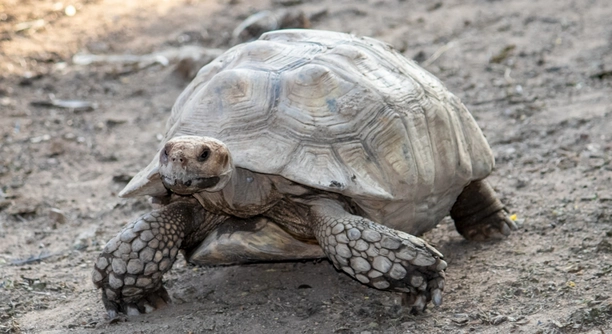
Tortoises are unique pets, and just like any other animal, they can get sick. Understanding how to spot signs of illness early is essential for their well-being.
The simplest way to tell if your tortoise is sick is by observing changes in behavior, appetite, and physical appearance. Common warning signs include lethargy, loss of appetite, breathing difficulties, or abnormal shell conditions, all indicating potential health issues.
Recognizing these signs can make a big difference in getting your tortoise the help it needs. Understanding their needs will help keep them healthy and happy.
Lethargy and Reduced Activity
Tortoises are naturally active animals, and when they become sick, their energy levels usually drop. If your tortoise is spending more time hiding in its shell or moving sluggishly, it may be a sign that something is wrong. Sick tortoises may avoid exploring their environment, which is a big change from their usual curious nature. Decreased movement often indicates discomfort or illness, and it’s crucial to keep an eye on their behavior.
It’s important to make sure your tortoise’s enclosure is set up correctly, as incorrect temperatures or humidity can also lead to lethargy. If these conditions are optimal and your tortoise is still inactive, it may be time for a vet visit.
Tortoises rely on consistent warmth and light to stay active and healthy. If they’re feeling unwell, their instinct may be to stay in one spot, conserving energy. If your tortoise isn’t as active as usual, pay attention to any other signs like changes in eating habits or abnormal breathing. These can help determine whether there’s a deeper issue at play.
Changes in Eating Habits
A sudden change in appetite is one of the first things to notice when your tortoise isn’t feeling well. Tortoises typically have a hearty appetite and are usually eager to eat, but if you notice they are leaving food uneaten, it could signal that something is wrong.
Loss of appetite is a common sign of illness and could indicate digestive problems, parasites, or infections. If your tortoise seems uninterested in food for an extended period, it’s important to check for other symptoms, like changes in their behavior or physical condition.
Make sure that the food you’re offering is fresh and appropriate for your tortoise’s species. Sometimes a refusal to eat can stem from dietary issues. However, if there’s no improvement after adjusting their meals, it could be a sign of a more serious issue like dehydration or illness.
Breathing Difficulties
Breathing problems in tortoises are not something to ignore. If your tortoise is making wheezing, clicking, or labored sounds while breathing, it could be a sign of respiratory illness. Tortoises can suffer from pneumonia or other respiratory infections, especially if kept in an environment that is too cold or damp.
Check for other symptoms, such as nasal discharge, mouth-breathing, or difficulty opening the eyes. These can all point to a respiratory problem that might need immediate medical attention. A tortoise who is struggling to breathe may also appear less active and less responsive.
Respiratory infections are common in tortoises, especially if they’re exposed to sudden temperature changes or drafts. The best way to prevent this is to ensure they are housed in a stable environment with proper heating and humidity levels. If you notice any signs of breathing problems, it’s best to consult a vet right away.
Abnormal Shell Appearance
A healthy tortoise shell is usually smooth, hard, and free of cracks. If you notice your tortoise’s shell looks soft, discolored, or has noticeable damage, it could indicate an illness. A swollen or bulging shell may also point to underlying health problems.
A common issue that affects the shell is a fungal or bacterial infection. These can cause discoloration, softening, or deformities. A healthy diet, proper care, and correct humidity levels usually prevent shell issues, but if the shell looks abnormal, it’s crucial to seek veterinary help.
Injuries or infections can be serious, as they can lead to long-term damage to the tortoise’s shell, affecting its ability to protect itself. Be sure to monitor for signs of distress, including bleeding, pus, or foul odors. If these occur, it’s important to take immediate action. A vet will be able to diagnose the cause and treat the condition to prevent further damage.
Swollen or Watery Eyes
Swollen or watery eyes are another red flag that your tortoise might be sick. If you notice excessive discharge or the eyes seem puffy or shut, it could signal a respiratory infection, dehydration, or even vitamin deficiency.
This condition can be caused by many factors, including an improper diet or inadequate environmental conditions like temperature or humidity. If your tortoise has watery eyes, check their enclosure to make sure it’s within the recommended temperature and humidity range. Sometimes, poor conditions can lead to an imbalance, weakening their immune system and causing eye problems.
Eye discharge or swelling can also indicate a vitamin A deficiency, which is common in tortoises fed a poor diet. Offering the right foods, like dark leafy greens and carrots, can help improve their health. If the swelling persists, visit a vet for proper diagnosis and treatment.
Loss of Balance
If your tortoise is having trouble staying upright or walking in a straight line, it could indicate a neurological problem or injury. Sudden loss of balance can also be linked to ear infections, dehydration, or vitamin deficiencies. Keep an eye on these changes.
Ear infections are common in tortoises and can affect their ability to maintain balance. The infection can cause swelling around the ears, leading to discomfort and instability. Dehydration, on the other hand, affects coordination and overall mobility. Make sure your tortoise stays hydrated with fresh water.
A diet lacking essential vitamins, like calcium and vitamin D, can also affect the tortoise’s balance. Vitamin deficiencies often result in weakened muscles and poor bone health, which could cause instability. If you notice these signs, adjusting their diet or seeking medical care is a good first step.
Unusual Stool or Urine
Unusual stool or urine can indicate problems like digestive issues, parasites, or kidney disease. Pay attention to changes in the appearance or frequency of their waste. Healthy tortoises typically have firm, brown stools and clear urine.
If your tortoise’s stool is runny, discolored, or contains blood, it may be dealing with an infection or parasite. Kidney problems can also affect the consistency and color of their urine, which might become cloudy or discolored. Consistent, healthy bowel movements are a good sign of well-being.
If waste patterns change suddenly or persist over several days, it’s crucial to monitor your tortoise closely for other symptoms. Any noticeable changes should be discussed with a vet to prevent further complications.
FAQ
What should I do if my tortoise isn’t eating?
If your tortoise refuses to eat, first check the environment. Ensure it’s the right temperature and humidity for your species. Poor conditions can cause stress, making your tortoise lose its appetite. Also, double-check the diet. Offering fresh, appropriate foods like leafy greens, vegetables, and fruits might help spark their interest. If the refusal to eat persists for more than a few days, it’s important to consult a vet. Loss of appetite can be linked to infections, parasites, or even dehydration.
How can I tell if my tortoise has a respiratory infection?
Respiratory infections are common in tortoises and usually appear as labored breathing, wheezing, nasal discharge, or mouth-breathing. If you notice these symptoms, it’s critical to check the temperature and humidity in your tortoise’s enclosure, as improper conditions can cause or worsen respiratory issues. A vet can diagnose and prescribe treatment to help clear the infection. In some cases, respiratory infections can be severe if left untreated, leading to pneumonia or long-term damage.
Why is my tortoise staying in its shell all the time?
If your tortoise is hiding in its shell more than usual, it might be stressed or sick. Stress can come from environmental factors such as extreme temperatures or poor habitat conditions. It can also happen if your tortoise feels threatened or insecure. Illness can also make them withdraw into their shell as a way to conserve energy. Check for any other signs of illness, like reduced appetite or lethargy, and address any potential habitat issues. If this behavior lasts more than a day, take your tortoise to a vet for a check-up.
How can I prevent shell rot in my tortoise?
Shell rot is caused by bacterial or fungal infections and usually occurs when a tortoise’s shell remains wet or exposed to harmful bacteria. To prevent this, keep the enclosure dry and clean, with proper ventilation. Make sure your tortoise has access to dry areas and avoid letting them stay in water for long periods. Regularly check their shell for cracks, soft spots, or discoloration. If you spot any of these issues, a vet can treat the infection before it gets worse. Proper nutrition and a clean environment are key in preventing shell rot.
Is it normal for my tortoise to sleep a lot?
Tortoises sleep a lot, but if they are sleeping more than usual, it could be a sign of illness or an environmental issue. Make sure your tortoise’s habitat is set up with the correct temperature, humidity, and lighting. These factors can significantly affect your tortoise’s energy levels. If they are in a proper environment and still sleeping excessively, check for other signs of sickness such as lack of appetite, changes in stool, or breathing issues. If symptoms persist, it’s best to take your tortoise to a vet to rule out illness.
What are some common signs of dehydration in a tortoise?
Dehydration can be a serious issue for tortoises, and its symptoms can include dry skin, sunken eyes, lethargy, and hard, dry stool. A well-hydrated tortoise should have smooth, soft skin and clear eyes. To prevent dehydration, always provide fresh water and mist their enclosure if needed. Soaking your tortoise in shallow warm water can also help keep them hydrated. If dehydration persists or worsens, seek immediate veterinary attention to avoid serious complications. Proper hydration is essential for your tortoise’s overall health.
How can I tell if my tortoise has parasites?
Parasites can cause changes in your tortoise’s stool, such as diarrhea or unusual consistency. They may also show signs of weight loss, a decrease in appetite, or lethargy. If your tortoise seems to be losing weight or has changes in their bowel movements, it’s best to consult a vet for a fecal exam. Parasites are common in reptiles, but they can be treated with proper medication once diagnosed. Regular veterinary check-ups can also help catch any parasitic infections early.
What temperature should my tortoise’s enclosure be?
Tortoises need a warm environment to thrive, but the temperature will depend on the species. In general, daytime temperatures should range from 75 to 85°F (24 to 29°C), with a basking spot reaching around 90°F (32°C). Nighttime temperatures should be cooler but never dip below 60°F (15°C). Proper heating and lighting are essential to mimic their natural habitat and keep them healthy. Always check the temperature regularly with a thermometer, and adjust the setup as needed. A proper habitat can prevent stress and keep your tortoise active and healthy.
How often should I take my tortoise to the vet?
Routine veterinary visits are recommended at least once a year, even if your tortoise seems healthy. Regular check-ups can catch underlying health issues early and ensure that your tortoise is receiving the right care. If you notice any changes in behavior, eating habits, or physical appearance, it’s important to seek veterinary help right away. A vet can help with preventive care, such as diet advice and habitat setup, to keep your tortoise in the best health possible.
Can a tortoise recover from a broken shell?
A broken shell is a serious injury and should be treated by a vet immediately. Depending on the severity of the break, a vet may apply a splint, use special adhesives, or recommend other treatments to help the shell heal. The recovery process can take time, but with proper care, a tortoise can usually recover fully. It’s important to monitor the tortoise for any signs of infection, such as swelling, pus, or foul odors, which would require immediate attention. Keeping the tortoise’s environment clean and dry is essential during recovery.
What do I do if my tortoise has eye problems?
Eye problems, such as swelling, discharge, or squinting, can be signs of infection or vitamin deficiency. Make sure the humidity and temperature are suitable for your tortoise’s species, as improper conditions can cause eye issues. If your tortoise’s eyes are swollen or watery, a vet can help diagnose the problem and prescribe appropriate treatment. A vitamin A deficiency can be treated with diet changes, such as adding leafy greens and vegetables like carrots. Early treatment is key to preventing long-term damage.
Final Thoughts
Taking care of a tortoise requires attention to their unique needs, and recognizing signs of illness early can make all the difference. Tortoises are hardy animals, but they are still vulnerable to a variety of health issues. By monitoring their behavior, eating habits, and physical condition, you can often spot problems before they become serious. Understanding your tortoise’s normal behavior is key to noticing when something isn’t right, whether it’s changes in activity levels, appetite, or even their appearance. Early detection allows for quicker treatment, which can improve their chances of recovery.
It’s also important to maintain a proper habitat for your tortoise. Factors like temperature, humidity, and lighting play a huge role in your tortoise’s health. If their environment isn’t suitable, they may become stressed or sick, which could lead to symptoms like lethargy, poor appetite, or breathing difficulties. Regularly check their living conditions to ensure that they’re within the optimal range for your specific species. A well-maintained habitat reduces the chances of illness and helps your tortoise stay happy and healthy. Routine check-ups with a vet can also ensure that your tortoise is on the right track.
Finally, if you notice any unusual behavior or signs of illness, don’t hesitate to consult a vet. While some changes might be minor or related to temporary factors, it’s better to be safe than sorry when it comes to your tortoise’s health. A qualified vet can provide proper diagnosis and treatment options to address health concerns. Keeping your tortoise healthy involves more than just feeding them; it’s about creating an environment where they feel safe and comfortable. With proper care, attention, and early intervention, your tortoise can live a long, healthy life.

Hello,
If you enjoy the content that we create, please consider saying a "Thank You!" by leaving a tip.
Every little bit helps us continue crafting quality advice that supports the health, happiness, and well-being of pets around the world, for pets of all shapes, sizes, and species.
We really appreciate the kindness and support that you show us!