
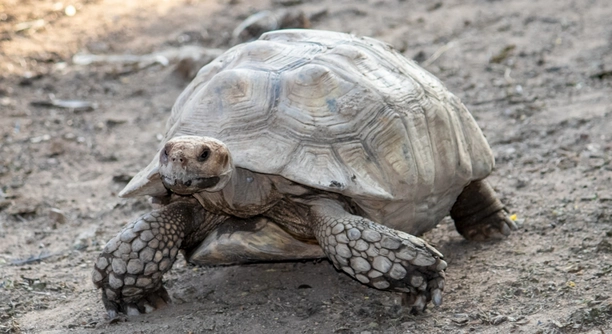
Tortoises are fascinating pets with unique behaviors. If you’ve noticed your tortoise digging in the corner, it may seem odd or concerning. Understanding the reasons behind this behavior can help ensure their well-being.
Tortoises dig for various reasons, including seeking comfort, establishing territory, or displaying natural instincts such as nesting. It is important to assess the environment, as factors like temperature, stress, or health could influence this behavior.
There are multiple reasons why your tortoise might be digging in the corner. Identifying the cause can help you provide a better living environment for your pet.
Natural Digging Instincts
Tortoises are known for their natural digging behaviors. This is an instinct they carry from their wild ancestors. In the wild, they dig to create shelters or find food. While your pet tortoise may not need to dig for shelter or food, this behavior often still persists. Digging helps them feel secure and comfortable in their environment. It’s important to recognize that this is completely normal behavior and doesn’t necessarily mean something is wrong with your pet. If your tortoise has a digging spot in the corner, it might simply be seeking a place where it feels safe.
Sometimes, tortoises dig to escape. If their enclosure feels too small or uncomfortable, they may try to dig their way out. Providing a spacious and enriched habitat can help reduce this urge. Try to keep your tortoise’s living area spacious and comfortable to ensure its well-being.
Ensure that your tortoise has plenty of room to roam. Giving it space to explore will help satisfy its need for digging. Avoid overcrowding the enclosure with too many items. A larger space allows your pet to display its natural behavior without frustration.
Environmental Stress
Changes in temperature or humidity can stress a tortoise and cause it to dig more often. A too-hot or too-cold enclosure may lead your tortoise to seek cooler or warmer ground by digging in corners. If you notice excessive digging during certain times of day or seasons, it could be because of discomfort in its environment. Be sure the temperature in its home stays within the recommended range for the species.
Proper humidity levels are also important. If the environment is too dry, your tortoise might dig in search of moisture. Consider adjusting the humidity in the enclosure with a misting system or a water source.
Having a consistent environment for your tortoise is key to reducing stress. Changes to lighting or temperature can have a big impact. Make sure your tortoise’s habitat offers the correct balance of heat and moisture to keep it happy and healthy.
Nesting Behavior
When tortoises dig, they might be looking to create a nesting site, especially if they are females. Even without the presence of a mate, some tortoises still exhibit nesting behaviors. This is common in species like the Russian and Leopard tortoises. If your tortoise has not been spayed, its digging could be linked to an instinct to lay eggs.
It’s essential to provide your tortoise with a suitable space to dig if this is the case. A soft substrate, like soil or sand, can help your pet feel comfortable. It’s also important to monitor your tortoise’s behavior to ensure the digging isn’t excessive. While digging can be normal, it shouldn’t interfere with your tortoise’s overall health or happiness.
Providing your tortoise with a nesting area, even if it’s not currently breeding, can help alleviate some of its digging urges. You can try adding a small mound of soil or sand in its habitat for digging. This gives your pet a space to express its natural instincts in a safe way.
Boredom or Lack of Stimulation
Tortoises are naturally curious animals. If they are not getting enough mental stimulation or physical activity, they may start digging out of boredom. Lack of proper enrichment can lead to repetitive behaviors like digging in corners. It’s crucial to ensure your tortoise has enough things to do in its habitat.
Providing objects like rocks, logs, or safe plants can encourage exploration and prevent boredom. You can also offer toys or hide food to engage your tortoise’s senses and keep it mentally active. The more interactive and enriched its environment, the less likely your tortoise will resort to digging.
If your tortoise is constantly digging in the corners, it may need more stimulation. Introducing regular exercise outside its enclosure can also provide mental and physical benefits. Setting up new areas for exploration inside the habitat or giving it access to different textures can make a big difference in its behavior.
Mating Behavior
Male tortoises often dig as part of their mating rituals. They might dig in specific areas of the enclosure, signaling their interest in a mate. If your tortoise is a male and there are no females present, the behavior might be a result of instinctual breeding behavior.
If you suspect mating behavior, observe closely. It may also include vocalizations, chasing, or even attempts to mount objects. While not harmful, it can indicate that your tortoise is searching for a mate.
You may notice this behavior intensifying during certain seasons, especially during mating season. If breeding isn’t an option, you may need to help redirect this energy with more space and distractions.
Temperature Regulation
Tortoises dig to regulate their body temperature. If they feel too hot or cold, they may dig to find a spot where they can better manage their temperature. This is often seen when they are looking for a cooler or warmer area within their enclosure.
To prevent this, check your tortoise’s habitat temperature regularly. Ensure it has both a basking area and cooler spots. Providing a gradient in temperature allows your tortoise to regulate its body heat naturally without resorting to excessive digging.
Health Issues
Digging can sometimes be a sign of underlying health issues. If a tortoise is feeling unwell or in pain, it may dig excessively as a way to cope. Conditions like respiratory infections, parasites, or shell problems can make your tortoise anxious. If you notice abnormal behavior, a vet visit is necessary.
FAQ
Why is my tortoise digging so much?
Tortoises dig for many reasons, most of which are instinctual. It could be due to nesting behavior, temperature regulation, stress, or boredom. In some cases, digging is simply a way for your tortoise to feel secure. If your tortoise is female, it might be attempting to create a nesting site, even if there are no eggs to lay. Males may dig to attract a mate or as part of their mating rituals. If your tortoise is digging excessively, check its environment for factors like temperature, humidity, and enrichment.
Can my tortoise hurt itself by digging?
Digging itself doesn’t usually harm a tortoise, but it can lead to issues if the environment isn’t ideal. For example, if there is inadequate substrate or the enclosure has sharp edges, it could cause injury. Excessive digging might also lead to stress or exhaustion. If the enclosure is too small, your tortoise might dig to escape, which could be risky. Make sure your tortoise has a safe and spacious environment to avoid potential harm from excessive digging.
How can I stop my tortoise from digging?
Stopping digging completely may not be possible, as it is a natural behavior. However, you can reduce excessive digging by addressing the root causes. Ensure your tortoise’s environment is comfortable, spacious, and enriched. Providing more hiding spots, rocks, and different textures to explore can help distract your tortoise from focusing on digging. If your tortoise is digging out of boredom, adding variety to its habitat and increasing time spent outside of the enclosure can also help.
Is digging a sign of stress in tortoises?
Yes, digging can sometimes be a sign of stress. If your tortoise is feeling confined, too hot, or too cold, it might dig as a response. It could also dig if the habitat is too small or overcrowded. Environmental stressors like changes in temperature or humidity can lead to digging as your tortoise seeks comfort. If you suspect stress, adjust the habitat to better suit its needs. Offering more space and hiding areas can help reduce stress-related digging.
How deep should the substrate be for my tortoise to dig?
The depth of the substrate depends on the species of tortoise, but generally, a depth of at least 4 to 6 inches is recommended. This allows your tortoise to dig comfortably and engage in natural behaviors. If you have a species known for deep digging, consider a deeper substrate to encourage healthy digging habits. A mixture of soil, sand, and coconut fiber works well for most tortoises. It provides a suitable texture for digging while also helping with moisture control.
Do tortoises dig to escape their enclosures?
Yes, tortoises sometimes dig to escape, especially if they feel confined or uncomfortable. If the enclosure is too small, lacking stimulation, or improperly designed, your tortoise may dig in an attempt to find a way out. To prevent this, make sure the enclosure is large enough and secure, with a well-structured barrier that prevents digging under. You can also offer more enrichment in the form of objects and hiding spots to make the habitat more engaging and satisfying.
Can tortoises dig up plants or destroy their habitat?
Tortoises may dig up plants in their enclosures, especially if they are curious or searching for food. This behavior is more likely to occur if plants are easily accessible or if your tortoise is not getting enough nutrition elsewhere. To prevent this, consider planting sturdy, non-toxic plants that are difficult for your tortoise to uproot. You can also create designated areas for food to encourage foraging, keeping the plants safe from digging activity.
Do male tortoises dig to attract mates?
Yes, male tortoises may dig as part of their mating behavior. When looking for a mate, they might dig to mark territory or attract females. If a male tortoise is digging in a certain area of the enclosure, it could be a sign that he is preparing for mating behavior, even if no females are present. If you notice this behavior and have no intention of breeding, consider providing more space or distractions to help reduce the focus on mating rituals.
Why does my tortoise keep digging in the same spot?
Tortoises often dig in the same spot because it provides them with a sense of security or comfort. It may be a place they associate with warmth, privacy, or safety. If your tortoise continually digs in one area, it’s important to observe the surrounding environment. Are there temperature gradients, soft substrate, or a specific location that could be making this area more appealing? By providing an enriched habitat with different textures and hiding spots, you can reduce the tendency for your tortoise to dig excessively in one spot.
Should I worry if my tortoise digs at night?
It’s not uncommon for tortoises to dig at night, especially if they are nocturnal or more active during evening hours. However, frequent nighttime digging could indicate stress or discomfort, especially if the temperature drops too low at night. Ensure that your tortoise’s habitat is well-maintained, with proper heating and a safe nighttime environment. If the nighttime digging becomes excessive or seems to be affecting your tortoise’s health, consider adjusting the setup or consulting with a vet for advice.
Final Thoughts
Tortoises are naturally inclined to dig, and it’s important to remember that this behavior is part of their instincts. Whether they are trying to find a comfortable spot, regulate their temperature, or express natural instincts like nesting, digging is a normal part of their daily activities. As long as the digging is not excessive or causing harm, it’s generally not something to worry about. Understanding the reasons behind this behavior can help you create a better environment for your pet, allowing them to dig safely and comfortably.
If your tortoise is digging excessively, it’s crucial to assess its habitat and overall well-being. Make sure the enclosure is spacious, secure, and provides both warm and cooler areas for your pet to choose from. Adding enrichment, such as rocks, logs, and hiding spots, can help reduce digging caused by boredom or stress. A healthy environment with enough space to explore can alleviate many of the concerns related to digging. By providing your tortoise with opportunities to engage in natural behaviors, you can prevent unnecessary stress and ensure it is happy and healthy.
Ultimately, tortoises are unique creatures with distinct needs and behaviors. Digging is one of those behaviors that, while sometimes puzzling, is often a sign of your tortoise’s natural instincts at work. If you’re concerned about your tortoise’s digging habits, take the time to monitor its behavior and make adjustments as needed. Whether it’s adjusting the temperature, adding enrichment, or simply providing more space, small changes can make a big difference in your tortoise’s comfort and happiness.

Hello,
If you enjoy the content that we create, please consider saying a "Thank You!" by leaving a tip.
Every little bit helps us continue crafting quality advice that supports the health, happiness, and well-being of pets around the world, for pets of all shapes, sizes, and species.
We really appreciate the kindness and support that you show us!