
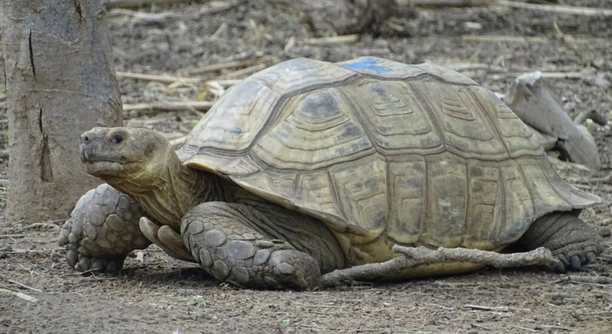
Tortoises are unique creatures with interesting behaviors that can leave owners wondering. If your tortoise is constantly climbing on other tortoises, there are several potential reasons behind this action that are worth exploring.
Climbing on other tortoises is often related to dominance, mating behavior, or territorial disputes. It could also be a sign of curiosity, social interaction, or even an attempt to find a comfortable spot. Understanding these behaviors can help in managing them.
There are many reasons why your tortoise might be climbing on others. Understanding these behaviors will help ensure their comfort and health.
Dominance and Hierarchy in Tortoises
Tortoises, especially in a group, may climb on each other as a display of dominance. This behavior is typical in species that have a social hierarchy, where more dominant tortoises assert their position by climbing over others. It’s a way of establishing authority and ensuring that the more dominant individuals have access to resources like food, shelter, or space. These actions are more common among male tortoises, who tend to engage in such behaviors to show their strength and claim territory. The size, age, and health of the tortoises may also affect who climbs on whom. In many cases, climbing is a form of communication, letting others know who is in charge.
This type of behavior is normal and should not be a cause for concern unless it escalates to aggression. Observing interactions and ensuring enough space for each tortoise can help reduce stress and prevent conflicts.
Providing adequate space and hiding spots can prevent dominance-related climbing. Monitoring their behavior helps maintain a peaceful environment, ensuring that no tortoise feels overwhelmed or trapped by others.
Mating Behavior
Mating behavior is another reason tortoises climb on each other. When in the presence of females, males often attempt to mount or climb over them. This is part of the courtship ritual and may occur even when there is no clear mating intention. Male tortoises can become quite persistent during mating season, and climbing is their way of getting the attention of a female. Sometimes, this behavior can appear aggressive, as males may climb over each other to compete for the female’s attention.
To minimize stress, make sure your tortoises are housed in an environment where they can express natural mating behaviors without causing harm. Ensure that the space is large enough to allow them to interact peacefully.
If you have both male and female tortoises, you may notice this climbing behavior intensifying during breeding seasons. Be mindful of the changes in their behavior to avoid any potential issues that could arise from overcrowding or increased competition.
Territorial Disputes
Tortoises are territorial creatures, and climbing on others is often a way of claiming space. They may engage in this behavior to establish boundaries within their environment, especially in shared habitats. Dominant tortoises will assert their territory by climbing over others to reinforce their control.
If multiple tortoises are kept in a small space, territorial conflicts can arise. This behavior can cause stress, so it’s important to ensure that each tortoise has a designated area. Providing hiding spots, shelters, or ramps can reduce direct contact and help prevent disputes. A larger enclosure with enough space for each tortoise to claim its own area is beneficial.
Additionally, ensuring that each tortoise has enough food and water access can prevent competition. Overcrowding in a small space can amplify territorial behaviors, making climbing and other actions more frequent. Be attentive to their interactions to ensure all individuals are comfortable and secure.
Social Behavior
While tortoises are generally solitary animals, some species exhibit social behavior, especially in captivity. Climbing on others may be a way for tortoises to interact, especially if they are used to being around other tortoises. Some may view climbing as a form of greeting or establishing bonds.
In captivity, when tortoises live together for extended periods, they can develop a routine of social interactions, such as climbing over one another. This behavior is usually not harmful and is simply a method of communication. However, too much climbing may indicate a lack of space, which can cause stress and territorial disputes.
It’s important to monitor how often tortoises climb on one another. If you notice excessive climbing, it could signal that they are feeling cramped. Providing a larger area for them to roam and explore can help mitigate this behavior and ensure they are living in a healthy environment.
Stress and Anxiety
Climbing behaviors can also be triggered by stress or anxiety in tortoises. If they feel threatened, uncomfortable, or uncertain in their environment, they might engage in this action as a way to cope. It can be a sign of unsettled conditions.
Environmental changes like new tortoises, unfamiliar scents, or loud noises can increase stress. Keeping tortoises in a stable, quiet, and familiar environment helps reduce anxiety-driven behaviors. Also, sudden changes in temperature or humidity can affect their comfort, leading to stress and climbing.
Health Issues
Health problems can cause abnormal climbing behavior. Pain or discomfort, whether from a shell injury or digestive issues, might make tortoises seek out others for support. This behavior could be a sign that something is wrong physically.
If you notice your tortoise climbing excessively or in an unusual manner, it may be a good idea to consult a veterinarian. Health problems can affect their behavior, and getting a professional’s opinion can ensure they remain healthy and comfortable.
FAQ
Why does my tortoise climb on other tortoises?
Tortoises climb on each other for a variety of reasons, including establishing dominance, social interactions, or mating behavior. In the wild, climbing can signify territorial control or an attempt to access food or shelter. In captivity, it could be an expression of competition for resources, space, or simply a social behavior if the tortoises are familiar with each other. It’s also a common occurrence during the breeding season, especially if there are multiple males and a female in the environment.
Is it normal for my tortoise to climb on others?
Yes, it’s normal for tortoises to climb on each other. They are naturally territorial animals, and such behavior can occur in both wild and captive environments. However, frequent or aggressive climbing could indicate stress, overcrowding, or competition for limited resources. If the behavior leads to injury or distress, it may be necessary to reevaluate their living space and environment.
How can I stop my tortoise from climbing on others?
To reduce climbing behavior, make sure your tortoises have enough space to move freely and claim their own territory. Provide multiple food and water stations, hiding spots, and structures for them to climb on individually. A larger enclosure with more environmental enrichment can reduce competition and territorial disputes, allowing each tortoise to feel secure.
Can climbing on other tortoises cause harm?
Climbing can sometimes cause harm if it leads to physical injuries, such as scratches, shell damage, or stress. If climbing behavior becomes overly aggressive, it can result in injury or exhaustion. Ensure that tortoises are not overcrowded and that their interactions remain peaceful. If climbing appears excessive or harmful, monitor their behavior closely and consider adjustments to their living space.
What should I do if my tortoise climbs on others aggressively?
If your tortoise is climbing on others aggressively, it might be a sign of stress or territorial issues. To address this, try separating them into different enclosures, especially if they are competing for resources or space. Make sure that each tortoise has its own food, water, and basking spots to reduce conflict. If aggression persists, consult a veterinarian or animal behaviorist to address any underlying issues.
How can I tell if my tortoise is stressed or anxious?
Signs of stress in tortoises include excessive climbing, refusal to eat, hiding, or becoming more aggressive. Stress can be triggered by environmental changes, overcrowding, lack of stimulation, or sudden shifts in their habitat. Pay attention to their behavior, and ensure they have a comfortable, stable environment with proper temperature, humidity, and space.
Do tortoises need to be kept alone or in groups?
Tortoises are generally solitary animals, though some species can tolerate the company of others if properly managed. Group housing can be stressful for some tortoises, especially if they are competing for space or resources. It’s best to observe their behavior and adjust their living conditions to ensure they are not stressed or overwhelmed by other tortoises. If you plan to keep them in groups, ensure they have enough space and resources to avoid conflict.
Can my tortoise climb too much?
Yes, excessive climbing can be a sign of stress, discomfort, or an unsatisfactory living environment. Tortoises may climb excessively if they are trying to escape from a confined space, competing for food, or feeling threatened. To address this, make sure they have enough room to move freely and provide sufficient resources for all tortoises in the enclosure.
Is climbing behavior different for males and females?
Yes, males are more likely to climb on other tortoises, especially during mating season. Male tortoises will often try to mount females to display dominance or to initiate courtship. However, males may also climb on other males if there is competition for space or territory. Females generally exhibit less climbing behavior, though they may climb as part of social interactions or when feeling threatened.
How do I know if my tortoise’s climbing is due to a health issue?
If your tortoise is climbing excessively or in an unusual manner, it could indicate a health issue, such as pain, discomfort, or injury. Observe any changes in their eating habits, movement, or behavior. If they appear lethargic, show signs of limping, or seem to be climbing in an awkward way, it’s important to consult a veterinarian to rule out any underlying health problems.
How often do tortoises climb on each other?
The frequency of climbing depends on various factors, such as the species, the number of tortoises in the enclosure, and the space provided. In a larger, well-maintained environment, tortoises may not climb on each other as often. However, in cramped or overcrowded conditions, climbing may become more frequent as they compete for space and resources. Keep an eye on their behavior and adjust their living conditions accordingly.
Does the type of tortoise affect climbing behavior?
Yes, different species of tortoises exhibit different levels of climbing behavior. Some species are more social and may engage in climbing as part of their social interactions, while others are more solitary and prefer to avoid physical contact. The environment and the availability of resources can also impact how often a tortoise climbs on others. Understanding the specific needs of your tortoise species can help you create a more comfortable and less stressful habitat.
How can I provide a more comfortable environment for my tortoises?
To make your tortoises more comfortable, ensure they have a spacious enclosure with appropriate temperature and humidity levels. Include hiding spots, basking areas, and climbing structures that they can use independently. Regularly clean the habitat and provide fresh food and water. A balanced diet and a stress-free environment are essential for their well-being. Consider separating tortoises if aggression or excessive climbing occurs.
Should I separate tortoises that climb on each other too much?
If climbing behavior becomes excessive or aggressive, it’s a good idea to separate the tortoises. Overcrowding can lead to stress and aggression, while individual enclosures allow each tortoise to establish its own space. If you choose to separate them, ensure they have similar environmental conditions to keep them comfortable and healthy.
Final Thoughts
Understanding why your tortoise climbs on other tortoises can help you ensure a better environment for them. This behavior is common and can stem from various reasons, such as social interactions, competition for resources, or even mating behavior. Climbing can also indicate stress or health problems, so it’s important to observe your tortoise closely. Knowing the underlying causes will help you address the situation and make necessary adjustments to their habitat.
Providing enough space, hiding spots, and resources can reduce competition among tortoises. If climbing is frequent or aggressive, it might be due to overcrowding, stress, or an unhealthy living environment. Offering multiple food and water stations can give each tortoise their own space to feel secure. Temperature, humidity, and enclosure size also play a significant role in your tortoise’s behavior. Ensuring that their habitat is comfortable can help reduce stress and unnecessary climbing.
If climbing becomes harmful or your tortoise shows signs of distress, it’s best to separate them or consult a veterinarian for advice. Paying attention to your tortoise’s behavior and making the right changes in their environment can lead to a more peaceful and healthy life. Creating an ideal living space for them ensures they can thrive without unnecessary stress or harm. Regular monitoring and adjustments are key to maintaining their well-being and happiness.

Hello,
If you enjoy the content that we create, please consider saying a "Thank You!" by leaving a tip.
Every little bit helps us continue crafting quality advice that supports the health, happiness, and well-being of pets around the world, for pets of all shapes, sizes, and species.
We really appreciate the kindness and support that you show us!