
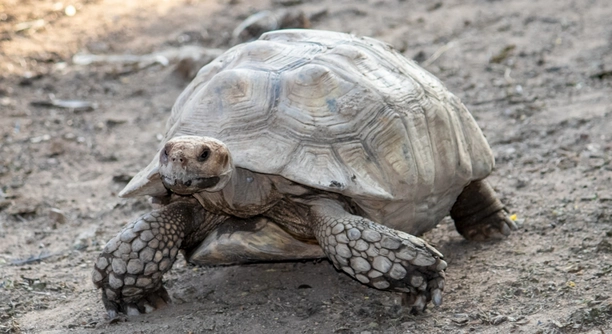
If your tortoise isn’t moving, it can be concerning. These slow-moving creatures can sometimes show unusual behavior that might worry their owners. Understanding why your tortoise may be inactive is important for its well-being.
Tortoises may not move for several reasons, including stress, illness, or improper environmental conditions. Ensuring they have a proper temperature, humidity, and a stress-free environment is essential. Inactive behavior can also indicate health issues that require immediate attention.
Addressing these potential causes is key to resolving your tortoise’s lack of movement. Exploring the reasons behind this can help you take the right steps to support your pet’s health and comfort.
Stress and Anxiety
Tortoises are sensitive creatures, and stress can affect their activity levels. Changes in their environment, like loud noises, other pets, or sudden handling, can cause them to withdraw. Stress is often seen when a tortoise becomes more reclusive or inactive than usual. When a tortoise is stressed, it may stop moving around, hiding in corners, or becoming less interested in food. Additionally, overexposure to bright lights or constant human interaction can disrupt their natural habits and lead to inactivity. To avoid stressing your tortoise, keep their environment calm and quiet.
Stress can also stem from overcrowding or too little space in their habitat. If your tortoise’s living area is too small, it can feel trapped, making them less likely to explore or move freely. This lack of space can lead to behavioral changes, such as staying in one spot or hiding for extended periods. It is important to ensure your tortoise has enough space to move comfortably and explore their environment. Providing a secure and calm environment is key to keeping your tortoise healthy and active.
Creating a proper habitat with enough room for exploration and hiding spots is crucial for maintaining a tortoise’s well-being. Reducing stress by keeping them in a peaceful environment will support their physical and emotional health, ensuring they feel comfortable enough to move around.
Temperature and Lighting
If the temperature or lighting is incorrect, your tortoise may become inactive. Tortoises need a specific range of temperatures to stay active and healthy. A basking area with a temperature of around 95°F is essential for their digestion and overall health. If the temperature is too low, they may become lethargic and stop moving. Similarly, the lighting in their enclosure is also critical. UVB lighting helps tortoises produce vitamin D3, which is necessary for calcium absorption. Without it, they may suffer from metabolic bone disease, which can cause weakness and inactivity.
A proper light cycle, with 12 hours of light and 12 hours of darkness, is ideal. Make sure to provide both heat and UVB light, as these are critical for their health. If your tortoise’s enclosure lacks adequate heating or lighting, they may become sluggish or stop moving altogether. Adjusting the temperature and light conditions can help encourage more activity and keep your tortoise healthy.
Health Issues
If your tortoise isn’t moving, it could be a sign of illness. Common health problems like respiratory infections, shell rot, or parasites can lead to lethargy. Pay attention to changes in their eating habits, breathing, or physical appearance. If your tortoise is showing signs of discomfort or appears lethargic, a trip to the vet is necessary for proper diagnosis and treatment. Early detection of health issues can make a significant difference in recovery.
Respiratory infections are common in tortoises and can cause difficulty breathing, wheezing, and a lack of movement. Similarly, shell rot is caused by bacterial or fungal infections, which can affect a tortoise’s mobility. If you notice soft, discolored spots on the shell, seek veterinary care immediately. Additionally, parasites like worms can also cause digestive issues, making your tortoise less active. Monitoring your pet’s behavior and appearance closely is essential in identifying early signs of illness.
Consulting a vet as soon as you notice symptoms of illness can help prevent long-term health problems. Your tortoise’s lack of movement may indicate something more serious, and addressing these concerns early will improve the chances of a swift recovery. Prompt care ensures a happier, healthier tortoise.
Overfeeding or Underfeeding
Overfeeding or underfeeding can also lead to inactivity. If your tortoise is fed too much, it may become sluggish due to its digestive system working harder than necessary. On the other hand, insufficient food intake can leave your tortoise weak and unmotivated to move. Proper portion control is vital to maintaining your pet’s energy levels and activity.
A balanced diet with appropriate portions for your tortoise’s species and size is essential for good health. Overfeeding can cause obesity, making it harder for them to move, while underfeeding can lead to malnutrition and weakness. It is important to offer the right type of food and avoid giving treats too frequently. Regularly assess your tortoise’s body condition to ensure it is neither underweight nor overweight.
Monitoring your tortoise’s feeding habits and weight is key to keeping it active. By following a proper feeding routine, you help ensure that your tortoise has the energy it needs to move around and stay healthy.
Poor Habitat Conditions
Improper habitat conditions can cause your tortoise to remain still. A dirty environment, lack of hiding spots, or overcrowded space can create stress, leading to inactivity. It’s important to regularly clean the habitat and ensure it provides a comfortable space for your tortoise to roam and feel secure.
Check that your tortoise has access to clean water and a dry area to rest. Overcrowding can also make them feel trapped, leading to less movement. A secure, clean habitat will encourage your tortoise to move more, as they will feel safe and comfortable enough to explore.
A well-maintained habitat is essential for your tortoise’s physical and mental well-being. Providing the right environment will help them remain active and healthy, making it easier to monitor their overall behavior.
Dehydration
Dehydration can make your tortoise inactive and lethargic. If they are not drinking enough water, their body functions slow down, leading to a lack of movement. Ensure your tortoise has constant access to fresh water, and consider soaking them in warm water to promote hydration if needed.
A lack of hydration can also affect their appetite and digestive system, leading to a decrease in activity. Dehydration can be especially harmful during warm weather when your tortoise is more likely to lose moisture. Regularly soaking your tortoise and offering water can prevent dehydration and improve their overall health.
Lack of Socialization
Tortoises are naturally solitary animals, but some species may still benefit from occasional interaction. If your tortoise is left alone for long periods with no stimulation, they may become less active. It’s important to offer your pet some attention without overwhelming them, as too much handling can cause stress.
FAQ
Why is my tortoise not moving at all?
If your tortoise is not moving, it could be due to several factors. The most common causes are stress, temperature issues, or illness. Tortoises are sensitive to their environment, so changes such as loud noises, improper temperature, or overcrowding can make them feel threatened or uncomfortable. Health problems like respiratory infections or parasites can also lead to lethargy. Make sure the habitat is clean, the temperature is appropriate, and check for any signs of illness, like wheezing or changes in appetite.
What should I do if my tortoise isn’t eating or moving?
If your tortoise is both not eating and not moving, this is often a sign that something is wrong. First, check the environment. Is the temperature in the enclosure too low or too high? Ensure that the tortoise has access to proper lighting, especially UVB light, to aid in digestion and calcium absorption. If the environment seems fine, observe for any signs of illness, such as wheezing, swollen eyes, or soft spots on the shell. If no environmental issues are found, consult a vet for a thorough check-up.
Can temperature changes make my tortoise stop moving?
Yes, temperature changes can cause a tortoise to become inactive. Tortoises rely on external heat sources to regulate their body temperature. If the temperature drops too low, they may become lethargic and stop moving. Likewise, excessive heat can cause them to seek shelter and become inactive. Ensure that your tortoise’s habitat has a gradient of temperatures, with a warm basking area (around 95°F) and a cooler area to regulate their body temperature.
Is it normal for a tortoise to be inactive at night?
Yes, it’s completely normal for tortoises to be inactive at night. Like most reptiles, tortoises are diurnal, meaning they are awake and active during the day and rest at night. As long as your tortoise is moving and eating during the day, inactivity at night is not a concern. Ensure the nighttime temperature is within the appropriate range, and your tortoise will naturally become less active as it prepares for rest.
How can I tell if my tortoise is stressed?
Signs of stress in tortoises include hiding, a lack of appetite, and withdrawal from normal activities. If your tortoise is not moving or showing interest in its environment, it may be feeling stressed. Stress can be caused by environmental factors such as loud noises, bright lights, or even being handled too much. Check if there are any other pets in the area, or if the tortoise is exposed to sudden temperature changes or overcrowded living conditions. A calm, clean, and quiet environment is key to reducing stress.
Can dehydration make my tortoise stop moving?
Yes, dehydration can cause a tortoise to become sluggish and less active. If a tortoise is not drinking enough water, it can lead to lethargy, and they may stop moving. Ensure your tortoise has constant access to fresh water, and consider soaking it in warm water to promote hydration. Dehydration is especially concerning during warm weather, as tortoises lose moisture more quickly. Soaking your tortoise in a shallow water dish for 20-30 minutes once a week can help keep them hydrated.
Is my tortoise sick if it’s not moving?
Not necessarily. While illness can cause inactivity, there are other reasons your tortoise may be still. Inappropriate temperature, stress, or a lack of proper diet could also lead to reduced activity. However, if you notice additional signs like difficulty breathing, weight loss, or abnormal eye discharge, it may indicate a health problem, and a visit to the vet is advised. Make sure your tortoise’s living conditions are ideal, and monitor their behavior carefully for any additional signs of illness.
Can I force my tortoise to move?
It’s not recommended to force your tortoise to move, as this can cause stress and harm. Tortoises move at their own pace and often need time to rest, especially if they are feeling unwell or stressed. Instead, focus on adjusting their environment to make them feel comfortable. Ensure proper temperature, lighting, and hydration. If they are still not moving after a few days, or if there are signs of illness, consult a vet for further advice.
What should I do if my tortoise is inactive after a hibernation period?
After hibernation, it’s normal for tortoises to be sluggish for a short time. They need time to warm up and adjust to normal activity levels. However, if the inactivity lasts longer than a few days or your tortoise shows signs of illness, such as swelling or difficulty breathing, it may be a cause for concern. Gradually warm them up with proper heating and lighting. If they still refuse to move or eat, seek professional advice from a vet.
Could my tortoise be overweight, causing it to move less?
Yes, obesity can cause your tortoise to move less. Overfeeding or offering the wrong types of food can lead to weight gain. This extra weight can make it more difficult for your tortoise to move around. To prevent this, ensure you are providing a balanced diet with appropriate portions for your tortoise’s species and size. If you notice that your tortoise has become heavier, consider adjusting its diet and increasing exercise by providing more space for movement.
Should I worry if my tortoise sleeps a lot?
Tortoises sleep a lot, especially during the night. However, if your tortoise is sleeping more than usual during the day and seems unusually inactive, it could be a sign of illness or environmental issues. Check if the temperature and humidity levels are correct and ensure there are no stress factors, such as loud noises or overcrowding. If everything seems in order and your tortoise continues to sleep excessively, consult a vet to rule out any health concerns.
Final Thoughts
Tortoises are resilient creatures, but like any pet, they require proper care and attention. If your tortoise isn’t moving, it’s important to first assess its environment. Temperature and lighting play a significant role in their activity levels. A temperature that is too high or too low can cause lethargy. Additionally, lack of proper UVB lighting can affect their metabolism, causing them to feel weak and sluggish. Ensure the enclosure is comfortable with a proper temperature gradient, a basking spot, and access to fresh water at all times.
Stress and health problems are also common reasons why a tortoise might not be moving. Changes in their environment, such as loud noises or unfamiliar scents, can cause anxiety and lead them to retreat. This is why creating a quiet, calm space for your tortoise is essential. It’s also important to monitor their diet and hydration. Dehydration or malnutrition can quickly lead to inactivity, so make sure your tortoise is eating a balanced diet, and provide opportunities for them to soak in water if needed.
If your tortoise remains inactive despite providing the ideal environment and diet, it may be time to consult a veterinarian. Health issues like respiratory infections, parasites, or internal problems can cause lethargy. A vet will be able to diagnose any underlying medical conditions and offer solutions for getting your tortoise back to full health. By paying close attention to their needs and making any necessary adjustments, you can help your tortoise lead a long, healthy, and active life.

Hello,
If you enjoy the content that we create, please consider saying a "Thank You!" by leaving a tip.
Every little bit helps us continue crafting quality advice that supports the health, happiness, and well-being of pets around the world, for pets of all shapes, sizes, and species.
We really appreciate the kindness and support that you show us!