
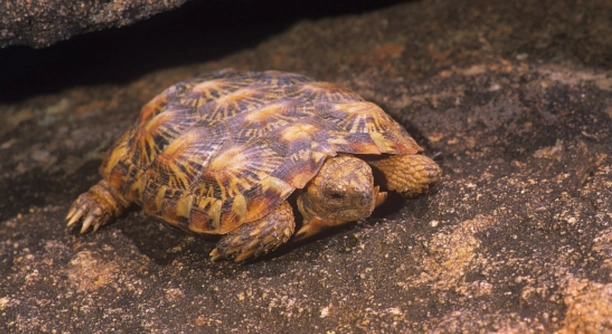
Is your tortoise constantly trying to climb, push, or scratch its way out of its tank? This behavior can be frustrating, especially when you’ve provided a secure enclosure. Understanding why this happens can help you create a more suitable habitat.
Tortoises attempt to escape their tanks due to factors like inadequate space, incorrect temperature, lack of stimulation, or stress. Their natural instinct to roam plays a significant role, and an improper enclosure setup can make them feel confined or uncomfortable.
A well-designed habitat can prevent escape attempts and improve your tortoise’s well-being. Learning about the key reasons behind this behavior will help you make necessary adjustments for a healthier, happier pet.
Your Tortoise Needs More Space
A small enclosure can make your tortoise feel trapped, leading to constant escape attempts. In the wild, tortoises roam large areas, so a cramped tank does not meet their natural needs. A proper habitat should provide enough room for movement, burrowing, and exploring. Without sufficient space, they may become stressed and restless. Expanding the enclosure or upgrading to an outdoor pen can help prevent this issue. Ensure the habitat is at least three to five times the length of your tortoise to give them enough space to feel comfortable and secure.
If your tortoise is constantly pushing against the tank walls, pacing, or climbing, it may be signaling that it needs a bigger space. Providing a larger, well-structured environment can significantly reduce escape attempts.
A larger enclosure also allows you to create a more enriching space with hiding spots, climbing areas, and a variety of textures. This setup promotes natural behaviors and helps keep your tortoise engaged.
The Temperature Is Not Right
Tortoises rely on external heat sources to regulate their body temperature. If the tank is too cold or too hot, they may instinctively try to escape in search of better conditions. A stable temperature range is essential for their well-being.
The basking area should be around 90-100°F, while the cooler side should stay between 75-85°F. If the temperature is too low, your tortoise may become sluggish and attempt to find warmth elsewhere. On the other hand, excessive heat can make them uncomfortable, causing them to seek an escape. Using a high-quality heat lamp and a thermometer will help maintain the proper temperature balance.
Check for drafts, direct sunlight exposure, or inconsistent heating that may affect your tortoise’s environment. Providing a gradient within the tank ensures they can regulate their body temperature naturally. A warm, stable climate will help prevent stress-related escape behaviors.
Lack of Mental Stimulation
A boring environment can make a tortoise restless, leading to frequent escape attempts. Without mental and physical stimulation, they may try to explore beyond their enclosure. Adding enrichment elements can keep them engaged and reduce their urge to escape.
Tortoises need a variety of textures, hiding spots, and obstacles to stay active. Placing logs, rocks, and plants in their enclosure gives them areas to explore. Changing their layout occasionally can keep things interesting. Offering different foods, such as leafy greens and occasional treats, also stimulates their senses. Regular interaction, like supervised time outside the tank, can help prevent boredom. Keeping their environment dynamic will encourage natural behaviors and minimize stress.
A lack of stimulation may also lead to repetitive behaviors like pacing or scratching at the walls. If they seem overly focused on escaping, assess their habitat. Adding new elements can make a significant difference.
Stress or Discomfort
A stressful environment can cause your tortoise to act out by trying to escape. Loud noises, frequent disturbances, or sudden changes in their surroundings may contribute to their stress. Providing a calm, consistent habitat helps them feel secure.
A proper hiding spot is essential for reducing stress. Tortoises need a safe space where they can retreat and feel protected. If their tank is in a high-traffic area, moving it to a quieter location can make them more comfortable. Ensuring a stable temperature and humidity level also helps minimize stress. Small adjustments, like adding soft bedding or reducing bright lights, can create a more soothing space.
If your tortoise is consistently trying to escape despite having the right temperature, space, and stimulation, external stressors might be the issue. Observing their behavior closely and making gradual changes can improve their comfort. A relaxed tortoise is less likely to attempt an escape.
The Enclosure Has Reflective Surfaces
Tortoises can mistake their reflection for another tortoise, leading to stress and repeated escape attempts. Seeing their own image may make them feel threatened or overly focused on interacting with what they perceive as another tortoise. Covering reflective surfaces can help reduce this issue.
Using a background on the tank walls or switching to an opaque enclosure can prevent reflections. If your tortoise constantly interacts with the glass, placing plants or decorations along the sides can help block reflections. Creating a visually calming environment makes them feel more at ease.
Natural Instinct to Roam
Tortoises have a strong instinct to explore, which can make an enclosure feel restrictive. In the wild, they cover large distances in search of food, shelter, and mates. Even in a well-maintained habitat, they may still attempt to roam. Providing outdoor time in a secure space can help satisfy this need.
Incorrect Humidity Levels
Humidity plays a crucial role in a tortoise’s health. If the air is too dry or too humid, they may try to escape to find better conditions. Checking and adjusting humidity levels ensures their habitat remains comfortable.
FAQ
Why does my tortoise keep climbing the walls?
Climbing walls is often a sign that your tortoise is feeling confined. Tortoises are naturally curious and active creatures that roam large areas in the wild. If their enclosure feels too small or unengaging, they may try to climb the walls to escape. To resolve this, ensure your tortoise has enough space to move freely. Adding objects like rocks, logs, or plants can also provide climbing surfaces and stimulate natural behavior, helping reduce the urge to escape.
How do I stop my tortoise from pushing against the tank walls?
Pushing against the tank walls is another sign that your tortoise is either stressed, uncomfortable, or trying to escape. Check the size of the enclosure to make sure it’s large enough for them to move around. Also, inspect the tank’s temperature and humidity levels to ensure they’re within the proper range. Stress can arise from too much noise, lack of hiding spots, or sudden changes in the environment, so making these adjustments can reduce the behavior.
Should I provide outdoor time for my tortoise?
Yes, providing outdoor time is a great way to let your tortoise roam and get natural sunlight. It helps satisfy their instinct to explore and gives them space to move. However, always supervise them when outdoors, and make sure the area is secure and free of predators. Make sure the outdoor environment is safe, with no risk of escaping or being harmed by other animals.
Can a tortoise’s diet affect its behavior?
Yes, a poor diet can contribute to behavioral changes in your tortoise, including escape attempts. Lack of proper nutrition can lead to lethargy, stress, and discomfort, prompting them to search for better conditions. Ensure your tortoise is eating a balanced diet, consisting of a variety of greens, vegetables, and, depending on the species, fruits. Providing a calcium supplement can also help maintain bone health and overall well-being.
How can I make my tortoise’s enclosure more comfortable?
Making the enclosure more comfortable involves providing the right space, temperature, humidity, and enrichment. Ensure the tank is large enough for your tortoise to roam, with a variety of textures such as rocks, logs, or plants. The temperature should be well-regulated, with a warm basking area and a cooler spot. Humidity levels must also be appropriate for the species. Lastly, adding hiding spots will help your tortoise feel secure.
Is my tortoise trying to escape because it’s bored?
Yes, boredom can lead to escape attempts. If your tortoise doesn’t have enough to do in its enclosure, it may start trying to find something more interesting outside the tank. Enrichment is key to keeping them engaged. You can add things like rocks, tunnels, and safe climbing structures. Changing the layout occasionally can also help keep things fresh and stimulating.
What temperature should my tortoise’s tank be?
The temperature in your tortoise’s tank depends on the species, but generally, a basking area should be kept between 90-100°F, while the cooler side of the tank should stay between 75-85°F. Use a thermometer to monitor the temperature closely. Too cold or too hot can make your tortoise uncomfortable and lead to stress, causing it to try escaping.
How can I tell if my tortoise is stressed?
Stressed tortoises may exhibit signs like pacing, trying to escape, or hiding more than usual. Changes in eating habits, lethargy, or aggressive behavior can also signal stress. Keep an eye out for these changes, and make sure the environment is calm and secure. Reducing noise, making the tank more comfortable, and adding enrichment can help relieve stress.
Do tortoises need a lot of light?
Yes, tortoises need UVB light to help them synthesize vitamin D3, which is crucial for calcium absorption. Without proper UVB exposure, they can develop shell deformities and other health issues. Make sure to provide a UVB light source in your tortoise’s enclosure, and ensure it’s in a spot where your pet can bask.
Why is my tortoise not eating?
If your tortoise isn’t eating, there could be several reasons. It might be stressed, unwell, or uncomfortable in its environment. Check if the temperature, humidity, and diet are correct. If everything seems fine, consider a visit to a vet to rule out any medical issues. Sometimes, tortoises will fast during certain seasons or if they are adjusting to a new enclosure.
Final Thoughts
Tortoises are fascinating creatures with unique behaviors, and understanding their instincts is key to keeping them healthy and happy. If your tortoise is trying to escape its tank, it’s often a sign of stress, boredom, or discomfort. It’s essential to create a comfortable and enriching environment for your pet. By addressing their needs for space, proper temperature, humidity, and enrichment, you can reduce the urge to escape. Providing opportunities for outdoor time, safe exploration, and a varied diet will also contribute to your tortoise’s well-being.
Making sure your tortoise’s tank is the right size and filled with the right elements is the first step toward resolving any escape attempts. Adding plants, rocks, and other structures gives your tortoise something to interact with. This will prevent them from feeling the need to escape for mental stimulation. A good enclosure should provide both a basking area with the proper warmth and a cooler section, offering a variety of textures and hiding spots to ensure your tortoise feels secure.
Lastly, regular observation is key. Every tortoise is different, and paying close attention to your pet’s behavior will help you understand its needs better. If escape attempts continue despite changes to the environment, it may be worth consulting a veterinarian to rule out any health concerns. Tortoises require patience, care, and the right environment to thrive, so with some adjustments, you can create a happy and secure space for your pet to enjoy.

Hello,
If you enjoy the content that we create, please consider saying a "Thank You!" by leaving a tip.
Every little bit helps us continue crafting quality advice that supports the health, happiness, and well-being of pets around the world, for pets of all shapes, sizes, and species.
We really appreciate the kindness and support that you show us!