
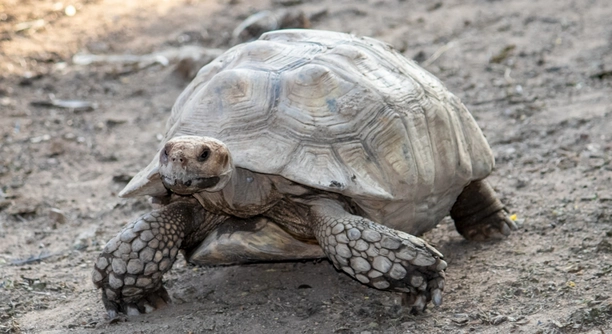
When a tortoise is moved to a new environment, it can feel stressed and unsettled. Knowing how to help your tortoise adjust is key to ensuring its well-being. Here are seven ways to make it feel more secure.
To make a tortoise feel more secure in a new environment, provide a calm, quiet space with familiar items, regulate temperature, and offer consistent food and water. Gradually introduce them to their new surroundings while minimizing stress and sudden changes.
Creating a safe and comfortable space for your tortoise is essential. A proper habitat setup will ensure a smoother transition and better long-term health for your pet.
Provide a Safe and Quiet Space
When setting up a new space for your tortoise, keep it calm and quiet. Tortoises are sensitive to loud noises and sudden movements. They may feel more stressed if there is too much activity around them. Place their enclosure in a low-traffic area of the house, away from busy rooms or areas with loud sounds. A peaceful environment will help them feel more at ease.
Providing a quiet space will give your tortoise time to adjust to its new surroundings. The less distraction there is, the more secure they will feel. Make sure they are not near windows or doors that open often. A peaceful spot is essential for a smooth transition.
Additionally, consider the lighting. Too much direct sunlight can make the space uncomfortable, while too little can create stress for your tortoise. Find a balance with indirect light that mimics their natural habitat. Adjusting light levels can further enhance their sense of safety. Ensure that the temperature is also regulated to avoid drastic changes. These small touches help your tortoise feel safe and relaxed.
Create Familiarity with Objects
Tortoises find comfort in familiar objects. Including items from their previous habitat can provide reassurance.
Place their favorite hiding spots, such as rocks or small plants, into their new space. Familiar smells and textures will help reduce the stress of the move. Over time, you can slowly introduce new objects to their environment as they grow accustomed to their surroundings.
Maintain Consistent Feeding and Hydration
Keeping your tortoise’s feeding schedule consistent will help it feel more secure. When they know when to expect food, it adds structure and reduces stress.
Feed your tortoise at regular times each day, offering fresh food and water. Avoid sudden changes in diet, as this can make them uneasy. Stick to familiar types of food, and always provide access to clean water. If your tortoise is used to specific food items, try to keep those the same in their new home. Consistency in feeding helps them feel settled.
Hydration is just as important as food. A tortoise needs fresh water at all times, and it’s crucial that it has access to clean water throughout the day. If the water dish is too small or not deep enough for them to soak in, they may feel stressed. Offering them a comfortable and accessible water source will help ensure their well-being in a new environment.
Regulate the Temperature
Proper temperature control is essential for your tortoise’s comfort. Keep the environment within the recommended temperature range for your specific species.
Tortoises are cold-blooded, which means they rely on external temperatures to regulate their body heat. If the temperature is too cold, they may become lethargic and stressed. Too much heat can make them uncomfortable or even ill. A good rule of thumb is to have a warm area (around 85-90°F) for basking, and a cooler area (around 70-75°F) for resting. Use a reliable thermometer to monitor these conditions regularly. Keep their habitat temperature steady to ensure they are comfortable.
Adjusting the temperature in their new space might take some trial and error. Pay attention to how your tortoise behaves—if it spends too much time in one area, the temperature may be off. Maintaining the proper heat gradient in the enclosure helps your tortoise regulate its body temperature naturally, keeping them healthy and more at ease in their new environment.
Limit Handling and Interaction
Limit handling when first moving your tortoise to its new environment. Too much interaction can cause unnecessary stress.
Give your tortoise time to adjust to its new surroundings before handling it. Allow it to explore and settle without interruption. Once it feels more comfortable, you can begin to interact more, but always gently.
It’s important to allow your tortoise to approach you on its own terms. Avoid rushing the process, as too much human interaction too soon can overwhelm them. Let them get used to their new space first, and then slowly introduce handling when they seem more comfortable.
Offer Hiding Spots
Providing hiding spots will help your tortoise feel secure.
Tortoises are naturally inclined to seek shelter, especially when feeling stressed. Placing a few hiding spots in their new environment will give them a sense of security and a place to retreat. It also provides them with an area to feel safe and relax.
Hiding spots can be simple—like a small box, a pile of leaves, or a small rock formation. This gives them control over their space, making them feel more secure. A tortoise should always have access to at least one place to hide when it needs to rest or feel safe.
FAQ
How long does it take for a tortoise to adjust to a new environment?
The adjustment period for a tortoise can vary. Typically, it can take anywhere from a few days to a couple of weeks for a tortoise to feel settled in a new environment. It largely depends on how stressed the tortoise was during the move and how well its new habitat matches its previous environment. During this time, it’s crucial to maintain consistent care, provide proper food, water, and hiding spots, and avoid handling too much. You’ll know your tortoise is adjusting when it begins to eat and drink regularly, and it shows interest in exploring its new space.
Can I move my tortoise to a different enclosure after it has settled in?
While it’s possible to move your tortoise after it has settled in, it’s not recommended unless necessary. Tortoises are creatures of habit and may become stressed if their environment changes frequently. If you must move your tortoise, try to replicate the previous setup as closely as possible. Keep the temperature, humidity, and lighting consistent to reduce the shock of the move. It’s best to give them some time to settle in their new home before making another change.
How do I know if my tortoise is stressed?
Signs of stress in a tortoise can include refusal to eat, excessive hiding, lethargy, or abnormal behavior such as pacing. If your tortoise is spending too much time hiding or seems uninterested in its environment, it could be stressed. Additionally, physical signs like shallow breathing, bulging eyes, or a lack of appetite are indicators that something is wrong. If you notice these behaviors, check the temperature, humidity, and lighting in its habitat. Ensure that it has plenty of water and try reducing handling to give it time to adjust.
Is it okay for my tortoise to be in a completely new environment right away?
It is better for a tortoise to be introduced to its new environment gradually, but it’s not uncommon for them to be placed in a new space immediately after moving. However, some sudden changes can be overwhelming. It’s essential to monitor the tortoise closely for any signs of stress, like loss of appetite or hiding. If the transition is abrupt, try to ensure that its basic needs are met, such as proper temperature and humidity, and minimize disturbances. If it seems too much, consider setting up a more familiar environment and allowing them to adjust slowly.
How can I help my tortoise feel more comfortable with handling?
To help your tortoise feel comfortable with handling, start slow. Gradually introduce short, gentle sessions of handling after it has become accustomed to its new environment. Let your tortoise approach you on its own terms and avoid grabbing it suddenly. Hold it close to the ground to prevent injury if it attempts to squirm away. Over time, your tortoise will associate handling with positive experiences, such as gentle petting or being placed in a sunning spot. Never force interaction; patience is key.
What should I do if my tortoise stops eating after the move?
If your tortoise stops eating after a move, it’s likely a sign of stress. The first step is to check the habitat conditions—ensure the temperature, humidity, and lighting are correct. Try offering familiar foods or those they’ve enjoyed in the past. Sometimes offering fresh greens or even a small piece of fruit can entice them. Avoid handling them too much, as this can cause additional stress. If the loss of appetite continues for more than a few days, consult a vet to rule out any health issues.
How do I clean my tortoise’s enclosure without causing stress?
Cleaning your tortoise’s enclosure should be done gently and at regular intervals. Always ensure the tortoise is removed before cleaning to avoid disturbing it. Use mild, pet-safe cleaners to scrub down surfaces, and avoid strong chemicals that may harm your tortoise or its habitat. When cleaning, try not to disrupt its hiding spots or other comforting elements. If possible, do a partial clean rather than a complete overhaul to maintain familiarity. After cleaning, return the tortoise to its habitat and give it time to settle back in.
Can I use a heat lamp for my tortoise’s enclosure?
Yes, a heat lamp is commonly used for tortoises, but it’s essential to use one that is appropriate for their species and needs. Tortoises require a heat source to regulate their body temperature. The basking area should be between 85-90°F, with a cooler area around 70-75°F. Ensure the heat lamp doesn’t overheat the area, as this can cause dehydration or heat stress. Position the lamp so that your tortoise can move between the warmer and cooler zones as needed. A timer can help maintain a regular day-night cycle.
How can I tell if the temperature is right for my tortoise?
Use a thermometer to monitor both the basking area and the cooler zones in the enclosure. Tortoises need a gradient of temperatures to regulate their body heat. A basking spot should reach around 85-90°F, while the cooler end should be around 70-75°F. If the temperature is too high, your tortoise may become sluggish or dehydrated. If it’s too cold, they might become lethargic and stop eating. Always double-check the temperature with a thermometer rather than relying on a heat source alone.
Final Thoughts
Helping your tortoise feel more secure in a new environment is essential for its well-being. The transition to a new space can be stressful for a tortoise, but with the right steps, you can make the adjustment process easier for them. By providing a calm and quiet environment, you can create a safe space where they feel comfortable. Ensure that their enclosure offers familiar objects, hiding spots, and the correct temperature to mimic their natural surroundings. A well-structured environment helps reduce stress and promotes better health for your tortoise.
Consistency plays a big role in how quickly your tortoise adapts. Keeping their feeding, hydration, and handling routines steady will make them feel more secure. Tortoises, like many animals, thrive on routine. If they know when to expect food or water and can rely on their environment staying the same, they are less likely to feel anxious. Regular feeding times and fresh water, along with an appropriate temperature, will help your tortoise feel safe and more confident in its new home. It’s important not to overwhelm them with too much interaction while they are adjusting.
Remember, every tortoise is different, and some may take longer to feel at ease in a new setting. Be patient and allow them time to adjust at their own pace. Keep an eye on their behavior and health, and adjust their habitat if needed. If stress continues or if you notice any changes in their eating or activity, don’t hesitate to consult a veterinarian. By following these steps and staying mindful of their needs, you can help your tortoise feel secure and thrive in its new environment.

Hello,
If you enjoy the content that we create, please consider saying a "Thank You!" by leaving a tip.
Every little bit helps us continue crafting quality advice that supports the health, happiness, and well-being of pets around the world, for pets of all shapes, sizes, and species.
We really appreciate the kindness and support that you show us!