
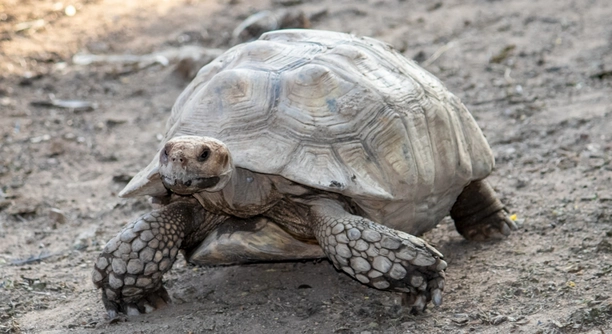
Do you ever find yourself watching your tortoise bob its head up and down, wondering what it means? This behavior can seem puzzling, but it is actually quite common among tortoises and can have several different explanations.
Tortoises move their heads up and down for various reasons, including communication, mating displays, respiratory issues, and territorial behavior. This movement can also be a response to environmental factors, stress, or an attempt to get your attention.
There is more to this behavior than meets the eye, and understanding these reasons can help you better care for your tortoise.
Communication and Social Behavior
Tortoises use head bobbing as a form of communication. In the wild, they interact with other tortoises by signaling dominance or submission. If your tortoise is bobbing its head at you or another pet, it could be asserting its presence. This behavior is more common in males, especially during mating season. They use it to establish territory or impress a potential mate. However, even female tortoises can show head movements when reacting to their surroundings. If your tortoise seems calm while bobbing, it is likely just a normal way of expressing itself.
A tortoise that bobs its head occasionally is usually not showing signs of distress. If the behavior happens frequently or aggressively, it could be trying to communicate something specific.
Observing when and where your tortoise bobs its head can help you understand its social interactions. If it does this around other tortoises or after being handled, it may be responding to stimulation.
Mating and Courtship Behavior
Male tortoises bob their heads rapidly during mating season. This is a natural behavior used to attract a mate and establish dominance. The movement is often paired with other behaviors like circling or nudging the female.
In some cases, males may also bob their heads at their reflections or even at their owners. This is because they mistake certain objects for potential mates or rivals. If you notice this behavior increasing in frequency, it may be due to seasonal hormonal changes. Some tortoises become more active and territorial during breeding times. This is especially common in species like the Russian tortoise and the Hermann’s tortoise.
If you have multiple tortoises, aggressive head bobbing could indicate competition between males. In these situations, it is best to monitor their interactions and separate them if necessary. Providing a calm and enriched environment can help reduce excessive head movements.
Territorial Behavior
Tortoises use head bobbing to establish dominance and defend their territory. This is especially common in males, who may display this behavior toward other tortoises, animals, or even their owners. It can be a sign that your tortoise feels protective over its space.
If your tortoise lives with another tortoise, head bobbing might be a sign of competition. Males will often bob their heads aggressively to show dominance, sometimes leading to pushing or biting. Even if your tortoise is alone, it may still bob its head at its reflection or perceived threats. If this behavior happens frequently, consider providing more hiding spots and space to help it feel secure. Reducing stress and ensuring your tortoise has enough room to move freely can help minimize territorial displays.
If your tortoise seems agitated while bobbing its head, it could be feeling threatened. A change in environment, the presence of new pets, or even loud noises can trigger this response. Pay attention to when the behavior occurs and try to remove any potential stressors. Creating a calm, stable environment will help your tortoise feel more comfortable and reduce unnecessary head movements.
Respiratory Issues
Frequent head bobbing can be a sign of respiratory problems. If your tortoise bobs its head while also making wheezing or clicking sounds, it may be struggling to breathe. This can be caused by infections, low humidity, or cold temperatures. Immediate action may be needed to prevent further complications.
Respiratory infections in tortoises often come from improper husbandry. If the enclosure is too cold or damp, bacteria can grow and lead to illness. Signs of infection include nasal discharge, open-mouth breathing, and lethargy. If you suspect your tortoise has a respiratory issue, increasing enclosure temperatures and humidity levels may help. However, severe cases require veterinary attention to prevent worsening symptoms.
Ensuring proper husbandry can help prevent respiratory issues in tortoises. Maintain an appropriate temperature gradient, provide clean substrate, and monitor humidity levels to keep your tortoise healthy. Regular check-ups and observing changes in behavior can help detect early signs of illness before they become serious.
Stress and Anxiety
Tortoises bob their heads when they feel stressed or anxious. Changes in their environment, such as new pets, loud noises, or frequent handling, can trigger this behavior. If your tortoise seems restless or hides more often, it may be reacting to stress.
Providing a stable, quiet environment can help reduce anxiety. Make sure the enclosure is properly set up with hiding spots, a comfortable substrate, and a consistent temperature. Limiting excessive handling and keeping interactions gentle will also help your tortoise feel more secure.
Seeking Attention
Some tortoises bob their heads to get their owner’s attention. If your tortoise does this when you approach the enclosure, it may be recognizing you and reacting to your presence. This behavior is more common in tortoises that are used to being hand-fed or handled regularly.
Environmental Responses
Tortoises react to their surroundings by bobbing their heads. Changes in temperature, lighting, or new objects in their enclosure can cause this movement. If the behavior happens suddenly, check for any recent environmental adjustments that may be influencing your tortoise’s actions.
FAQ
Why does my tortoise bob its head at me?
Tortoises may bob their heads at their owners as a way of recognizing them or seeking attention. Some associate their owners with food and react excitedly. In other cases, they may see their reflection in the glass and mistake it for another tortoise.
Is head bobbing a sign of illness in tortoises?
Occasional head bobbing is normal, but frequent or excessive bobbing can indicate respiratory issues. If your tortoise also shows signs like wheezing, open-mouth breathing, or nasal discharge, it may have an infection. In such cases, a vet visit is necessary to prevent complications.
Do female tortoises bob their heads too?
Yes, female tortoises can bob their heads, though it is more common in males. Females may do this in response to stress, environmental changes, or as a reaction to other tortoises. If the behavior is frequent, it may indicate discomfort or territorial defense.
Does head bobbing mean my tortoise is aggressive?
Head bobbing can be a sign of dominance, especially in males. If your tortoise bobs its head aggressively toward another tortoise, it may be trying to establish hierarchy. In some cases, this can lead to pushing or biting, so monitoring their interactions is important.
Should I be worried if my tortoise bobs its head while eating?
Head movements while eating are usually normal. Tortoises have strong jaw muscles and sometimes use slight head movements to help them chew. However, if your tortoise struggles to eat, appears weak, or frequently drops food, it could indicate a health issue requiring veterinary attention.
Can stress cause head bobbing in tortoises?
Yes, stress can lead to increased head bobbing. Loud noises, frequent handling, and changes in the enclosure can make a tortoise feel uneasy. If your tortoise is acting restless, hiding more often, or refusing to eat, reducing stressors may help calm its behavior.
How can I stop my tortoise from bobbing its head too much?
If the behavior is excessive, try identifying any possible triggers. Check for environmental stressors, ensure proper temperature and humidity, and limit handling if your tortoise seems uncomfortable. If the head bobbing continues alongside other unusual behaviors, consulting a vet may be necessary.
Why does my tortoise bob its head at its reflection?
Tortoises sometimes mistake their reflection for another tortoise. This can lead to head bobbing, especially in males who perceive their reflection as a rival. If your tortoise appears agitated, try covering part of the enclosure to reduce reflections.
Do all tortoise species bob their heads?
Yes, head bobbing is a common behavior across many tortoise species. Some species, like the Hermann’s tortoise and Russian tortoise, display it more frequently, especially during mating season. The intensity and frequency of head bobbing may vary depending on the individual tortoise.
When should I take my tortoise to the vet for head bobbing?
If head bobbing is accompanied by other symptoms like wheezing, difficulty breathing, or lethargy, a vet visit is necessary. Respiratory infections and other health issues can cause excessive head movements, and early treatment can prevent serious complications.
Can head bobbing be a sign of happiness?
Tortoises don’t express emotions the way mammals do, but some owners believe their tortoise bobs its head when excited. If your tortoise does this before feeding or when interacting with you, it may be a sign of recognition rather than happiness.
Does head bobbing mean my tortoise is trying to communicate?
Yes, tortoises use head bobbing to communicate with other tortoises and even their owners. It can be a sign of dominance, curiosity, or a reaction to changes in their environment. Observing when and how your tortoise bobs its head can help determine its meaning.
Final Thoughts
Head bobbing is a normal behavior in tortoises and can have several explanations. It is often used for communication, whether to establish dominance, attract a mate, or respond to environmental changes. Some tortoises bob their heads as a reaction to their owners, while others do it when they feel stressed or territorial. If the behavior happens occasionally and your tortoise appears healthy, there is usually no reason to worry. However, frequent or aggressive head bobbing may indicate discomfort, anxiety, or competition with another tortoise. Paying attention to the context in which your tortoise displays this behavior can help you understand its needs.
While head bobbing is usually harmless, it can sometimes be a sign of illness. Respiratory infections, stress, and environmental factors can cause excessive head movements. If your tortoise also shows signs like wheezing, nasal discharge, or trouble breathing, a veterinary visit may be necessary. Keeping the enclosure clean, maintaining the right temperature and humidity, and reducing stressors can help prevent health problems. Providing a stable and comfortable environment ensures your tortoise stays happy and healthy. If the head bobbing seems unusual or persistent, monitoring your tortoise closely will help you determine if any changes need to be made.
Understanding your tortoise’s behavior is important for its well-being. Head bobbing is just one way tortoises interact with their surroundings. By observing patterns and noting when the behavior occurs, you can better care for your pet and address any potential concerns. Every tortoise is different, and some may bob their heads more than others. As long as your tortoise is active, eating well, and showing no other signs of distress, head bobbing is typically just a natural part of its behavior.

Hello,
If you enjoy the content that we create, please consider saying a "Thank You!" by leaving a tip.
Every little bit helps us continue crafting quality advice that supports the health, happiness, and well-being of pets around the world, for pets of all shapes, sizes, and species.
We really appreciate the kindness and support that you show us!