
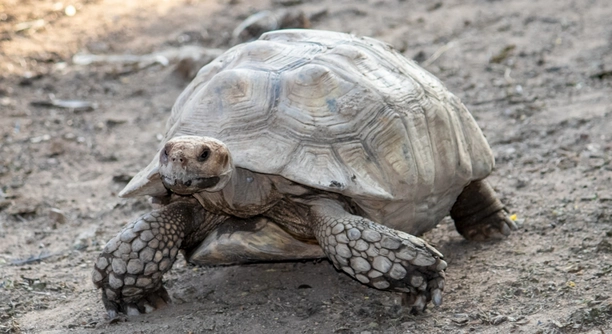
Are your tortoise’s eyes swollen, cloudy, or irritated? Eye problems in tortoises are common and can lead to serious health issues if left untreated. Understanding these issues can help ensure your pet stays healthy and comfortable.
The most common eye problems in tortoises include infections, vitamin deficiencies, injuries, and environmental factors like poor humidity. Treating these issues involves proper habitat care, dietary adjustments, and veterinary intervention when necessary to prevent further complications and discomfort.
Environmental conditions, diet, and overall health play a crucial role in your tortoise’s eye health. Learning about these common problems and their treatments will help you provide the best care for your pet.
Swollen Eyes in Tortoises
Swollen eyes in tortoises are often caused by infections, vitamin A deficiency, or poor habitat conditions. Bacterial or fungal infections can develop from dirty water, while a lack of vitamin A leads to thickened eyelids. Low humidity or dusty substrates can also cause irritation. If your tortoise has swollen eyes, check its environment for any issues. Make sure the enclosure is clean, and provide a well-balanced diet with leafy greens. If the swelling persists, a veterinarian may prescribe antibiotic or vitamin A supplements. Addressing the root cause quickly will help prevent further discomfort and complications.
A swollen eye can make it difficult for your tortoise to eat or navigate its surroundings. If left untreated, it could lead to permanent damage or even blindness. Early detection and treatment are essential.
To help prevent swollen eyes, ensure your tortoise has clean water, a balanced diet, and proper humidity levels. Regularly clean the enclosure to remove bacteria and debris. If your tortoise is prone to eye issues, consider adjusting the substrate and humidity to reduce irritation. Observing your pet’s behavior can help you catch problems early and take action before they worsen.
Cloudy or Watery Eyes in Tortoises
Cloudy or watery eyes can indicate respiratory infections, poor lighting, or irritation from dust or chemicals. Identifying the cause is key to proper treatment.
Respiratory infections often cause eye discharge and can develop from cold temperatures or poor ventilation. Tortoises need a warm and stable environment to stay healthy. If your tortoise has cloudy eyes along with wheezing or lack of appetite, a vet visit is necessary. In some cases, improper UVB lighting can contribute to eye issues, leading to vitamin imbalances. Make sure your tortoise has access to high-quality UVB lighting for proper health. Environmental irritants like dust, smoke, or cleaning chemicals can also cause excessive tearing. Remove any strong-smelling substances from the area and replace dusty substrates with safer options like coconut coir or soil. Proper hydration is also essential, as dehydration can lead to thickened tears and eye irritation.
Regularly check your tortoise’s eyes for changes in clarity or moisture. Small adjustments in their habitat, lighting, and diet can make a big difference in preventing long-term issues.
Dry Eyes in Tortoises
Dry eyes in tortoises often result from low humidity levels or dehydration. If the enclosure is too dry, your tortoise may struggle to keep its eyes moist. A lack of proper hydration can also cause discomfort and lead to further complications.
Maintaining the right humidity level is essential for preventing dry eyes. Mediterranean and desert tortoises need around 40-50% humidity, while tropical species require 70-80%. Misting the enclosure, providing a shallow water dish, and using the right substrate can help maintain moisture. If your tortoise shows signs of dehydration, such as sunken eyes or thick saliva, offer fresh water regularly and consider soaking it in lukewarm water for hydration.
Eye drops formulated for reptiles can sometimes help with dry eyes, but the underlying issue must be addressed. Check the enclosure for drafts, heating inconsistencies, or excessive dryness. If symptoms persist, a vet visit may be necessary to rule out infections or nutritional deficiencies.
Eye Infections in Tortoises
Eye infections can develop from bacteria, fungi, or parasites. Symptoms include redness, swelling, discharge, and difficulty opening the eyes. Poor hygiene, contaminated water, and injuries can introduce harmful bacteria, leading to infections that require prompt attention.
Cleaning your tortoise’s habitat regularly is crucial to prevent infections. Remove uneaten food, change the water frequently, and use a substrate that doesn’t trap moisture and bacteria. If an infection is suspected, a vet may prescribe antibiotic or antifungal drops to treat the issue. In some cases, soaking the eyes with saline solution can help remove debris and reduce irritation. Keeping your tortoise’s immune system strong with a nutritious diet also plays a vital role in preventing infections.
If left untreated, infections can spread and cause vision loss. Monitor your tortoise’s eyes closely for any changes and act quickly if you notice persistent redness or swelling. A clean environment and regular health checks can go a long way in keeping your tortoise’s eyes healthy.
Eye Injuries in Tortoises
Eye injuries can occur from sharp objects, rough handling, or fights with other tortoises. Scratches, punctures, or bruising around the eye may lead to swelling or infections. If an injury is suspected, keep the eye clean and monitor for any worsening symptoms.
Separating aggressive tortoises and removing sharp objects from the enclosure can help prevent injuries. If the eye appears swollen or has discharge, a vet may recommend antibiotic drops. Avoid touching the injured area too much, as this can make the condition worse. Prompt care ensures faster healing and prevents long-term damage.
Vitamin A Deficiency in Tortoises
Vitamin A deficiency can cause swollen eyelids, eye infections, and difficulty seeing. Tortoises lacking this essential nutrient may also have dry, flaky skin and poor appetite. A diet too low in leafy greens and vegetables is often the main cause of this deficiency.
Sunken Eyes in Tortoises
Sunken eyes are usually a sign of dehydration or illness. If your tortoise’s eyes appear sunken, check for other symptoms like lethargy or weight loss. Providing proper hydration, humidity, and nutrition can help prevent this issue. If symptoms persist, a vet visit may be necessary to rule out serious health concerns.
FAQ
What are the signs of an eye infection in tortoises?
Signs of an eye infection include swollen or red eyes, excessive discharge (either clear or pus-like), and difficulty opening the eyes. Your tortoise may also show signs of discomfort, such as rubbing its face or keeping its eyes closed. If the infection worsens, it could lead to loss of vision or spread to other areas. Infections are typically caused by poor hygiene, contaminated water, or injuries. Treatment often involves cleaning the eyes and using antibiotic or antifungal drops as prescribed by a vet.
How can I prevent eye problems in my tortoise?
Maintaining a clean environment is crucial for preventing eye issues. Regularly clean the enclosure, provide fresh water daily, and ensure your tortoise has proper humidity levels. A balanced diet with enough leafy greens and vegetables is also key to preventing vitamin deficiencies that can lead to eye problems. Proper lighting, including UVB lighting, helps with overall health, including eye health. Make sure your tortoise has a safe space where it won’t injure its eyes from sharp objects or other tortoises.
Can dry eyes in tortoises be treated at home?
Dry eyes in tortoises are often caused by low humidity or dehydration. You can increase the humidity in their enclosure by misting it regularly or placing a shallow water dish. Ensure your tortoise is properly hydrated by offering fresh water daily and soaking it in lukewarm water occasionally. If dry eyes persist, use saline solution or eye drops made for reptiles. However, if the issue doesn’t improve or worsens, a vet visit may be needed for a more specific treatment plan.
What should I do if my tortoise has cloudy eyes?
Cloudy eyes in tortoises can be a sign of a respiratory infection, poor lighting, or an injury. If your tortoise’s eyes appear cloudy, first check its habitat for any possible environmental issues like low humidity or poor ventilation. Ensure your tortoise has access to proper UVB lighting. If cloudy eyes are accompanied by wheezing, nasal discharge, or loss of appetite, it may indicate a respiratory infection, and you should consult a vet for treatment. Cloudy eyes can also be a sign of dehydration or an eye infection, so it’s important to monitor other symptoms closely.
How do I treat swollen eyes in my tortoise?
Swollen eyes are often a result of infections, injuries, or a lack of vitamin A. If your tortoise has swollen eyes, check the environment for cleanliness and proper humidity levels. Clean the eyes gently with a saline solution to remove any debris. Vitamin A supplements may be necessary if a deficiency is suspected. If swelling persists, or if there is discharge, it’s important to take your tortoise to the vet for further treatment, which may include antibiotics or other medications.
Can tortoises get eye infections from poor diet?
Yes, a poor diet can contribute to eye infections in tortoises. A lack of essential vitamins, especially vitamin A, can cause eye problems, including swelling, cloudiness, and infection. Tortoises need a diet high in fresh leafy greens, vegetables, and occasionally fruit to get the nutrients they require. Without a balanced diet, your tortoise’s immune system may become weak, making it more susceptible to infections. To prevent this, ensure your tortoise has access to a variety of nutritious foods and consider vitamin supplements if needed.
What should I do if my tortoise’s eyes are watery?
Watery eyes in tortoises are typically a sign of irritation, an infection, or a respiratory issue. If your tortoise’s eyes are excessively watery, first examine its environment. Make sure the habitat is clean, humidity levels are appropriate, and there are no environmental irritants like dust or strong chemicals. If watery eyes are accompanied by other signs of illness, such as nasal discharge or lethargy, a respiratory infection may be the cause. In such cases, consult a vet for appropriate treatment.
How can I tell if my tortoise has vitamin A deficiency?
Vitamin A deficiency in tortoises can cause symptoms like swollen eyelids, cloudy eyes, or discharge from the eyes. Tortoises may also have dry skin, reduced appetite, or trouble seeing. To prevent a deficiency, feed your tortoise a diet rich in leafy greens such as collard greens, dandelion greens, and kale, as well as carrots and sweet potatoes. If you suspect a deficiency, consult a vet, who may recommend vitamin A supplements to treat the condition.
Can my tortoise get eye problems from its enclosure?
Yes, a poorly maintained enclosure can contribute to eye problems in tortoises. Low humidity, unclean water, dusty substrates, or inadequate lighting can all lead to irritation, infections, or other eye issues. Regularly clean the enclosure, provide fresh water, and ensure proper humidity levels. Tortoises also need access to UVB lighting to maintain their overall health, including eye health. Pay attention to the environment to reduce the risk of eye-related problems.
What are the signs that my tortoise is dehydrated?
Signs of dehydration in tortoises include sunken eyes, dry or flaky skin, and reduced activity. Dehydrated tortoises may also have difficulty passing urine or stool. If you notice any of these signs, provide fresh water immediately and consider soaking your tortoise in lukewarm water for about 20-30 minutes. Make sure your tortoise has access to clean water at all times. If dehydration is severe or does not improve with these measures, consult a vet for further care.
Taking care of your tortoise’s eyes is essential for its overall health and well-being. Eye problems can often be avoided by maintaining a clean and well-maintained environment, offering a balanced diet, and providing proper lighting. Ensuring your tortoise’s habitat is free of irritants, like dust or chemicals, and adjusting humidity levels can prevent many common eye issues. Regularly checking your tortoise’s eyes for any signs of swelling, cloudiness, or discharge is important for catching problems early. By addressing eye issues early, you can prevent them from becoming more serious and ensure your tortoise remains comfortable.
When it comes to treating eye problems, it’s important to act quickly. Simple issues, like dry eyes, can often be resolved by increasing humidity or offering extra hydration. However, more serious problems, such as infections or injuries, may require medical intervention from a vet. Using appropriate treatments, such as saline solutions or prescribed eye drops, can help clear up infections or soothe irritation. Ensuring your tortoise gets the proper nutrients, especially vitamin A, is also key to preventing eye issues related to nutritional deficiencies. A well-balanced diet can go a long way in keeping your tortoise healthy.
In conclusion, taking proactive steps to care for your tortoise’s eyes will help prevent common problems and promote overall health. Regularly monitor your pet’s eyes and surroundings, adjust its diet if needed, and provide a comfortable habitat. While some eye issues may require veterinary care, many problems can be avoided or managed through proper care and attention. A little effort goes a long way in ensuring your tortoise enjoys good vision and a healthy, happy life.

Hello,
If you enjoy the content that we create, please consider saying a "Thank You!" by leaving a tip.
Every little bit helps us continue crafting quality advice that supports the health, happiness, and well-being of pets around the world, for pets of all shapes, sizes, and species.
We really appreciate the kindness and support that you show us!