
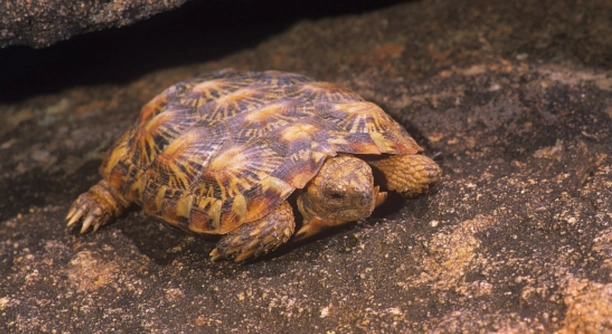
Tortoises are fascinating creatures, and hibernation is a key part of their natural life cycle. However, some tortoises refuse to hibernate, leaving their owners confused and concerned. Understanding why this happens can help you care for your tortoise better.
The main reason your tortoise may refuse to hibernate is due to environmental factors, health issues, or stress. Tortoises may also reject hibernation if they are not receiving the proper temperature, lighting, or nutrition.
The reasons behind your tortoise’s refusal to hibernate can be varied and important to address. Keep reading to learn more about how to handle this situation effectively.
Temperature is Too High
Tortoises typically hibernate when the temperature drops, signaling to them that it’s time to enter a dormant state. If your home remains warm during the colder months, your tortoise may not feel the need to hibernate. They rely on environmental cues, such as cooler weather, to know it’s time to rest. When they stay in warmer conditions, they often stay active and don’t enter hibernation.
If your home is too warm for your tortoise to hibernate, you should consider adjusting their environment. Lowering the temperature or providing them with a cooler space can encourage natural hibernation behavior.
It’s essential to maintain a temperature range that mimics their natural habitat, which often includes colder months. Providing a cooler space, like a designated area with lower temperatures, can help trigger the hibernation instinct. Be mindful, though, that sudden temperature drops or extreme fluctuations may cause stress or health issues for your tortoise.
Health Issues
When a tortoise is unwell, it may not hibernate. Illness can affect their internal systems and make them feel too weak to enter dormancy. If your tortoise is refusing to hibernate and shows signs of lethargy, irregular eating, or weight loss, it may be dealing with a health problem.
Regular check-ups with a vet are essential to keep track of your tortoise’s overall health. Ensure their diet is balanced and that they’re getting enough nutrients. If your tortoise’s health is compromised, hibernation could be the least of their concerns. Proper care and prompt treatment are critical.
A healthy tortoise with a proper diet and living conditions is more likely to hibernate when the time comes. If your tortoise shows signs of illness, don’t delay in getting professional advice. Catching health issues early on can prevent serious complications and help ensure your tortoise lives a long, healthy life.
Stress and Anxiety
If your tortoise is stressed, it may refuse to hibernate. Stress can come from changes in their environment, such as new pets, loud noises, or too much handling. Even a change in their diet or routine can cause anxiety and disrupt their natural hibernation cycle.
Reducing stress is key. Keep your tortoise’s environment as consistent and quiet as possible. Limit handling and provide a safe, calm space. If you notice signs of stress, such as restlessness or erratic behavior, try to eliminate the source of anxiety.
Stress may not only prevent hibernation but can also negatively impact their overall health. A tortoise experiencing stress might struggle to maintain a healthy weight or exhibit unusual behavior, making it harder to rest during colder months. Pay close attention to changes and adjust their living conditions accordingly.
Diet and Nutrition
If your tortoise isn’t eating properly, it might not feel ready to hibernate. A poor diet lacking necessary vitamins and minerals can impact its ability to hibernate effectively. Proper nutrition helps them store the energy needed for their dormant period.
Ensure your tortoise is eating a balanced diet that includes a variety of leafy greens, vegetables, and the right amount of protein. If they’re not eating well, try changing their food to something more appetizing or adjusting their feeding schedule.
Sometimes, tortoises need a little more than just food—they need the right vitamins and minerals to maintain good health. Without this balance, they might refuse to hibernate, as they’re not in the ideal condition. Supplements can help, but it’s always best to consult with a vet about specific needs.
Age and Maturity
Younger tortoises, especially those under 5 years old, may not hibernate. Their bodies are still developing, and they often don’t enter dormancy until they reach full maturity. The natural instinct to hibernate can take time to develop, and younger tortoises may remain active.
If your tortoise is young, it’s normal for it to skip hibernation. As they grow, they may start hibernating naturally as they get older. Be patient, and provide the proper conditions to encourage this process as they mature.
Environmental Changes
Tortoises are highly sensitive to changes in their surroundings. Moving them to a new enclosure or altering their environment drastically can throw them off. If you recently made adjustments to their habitat, it might be affecting their hibernation cycle.
Creating a stable environment is essential for encouraging hibernation. Keep their enclosure consistent, with appropriate lighting, temperature, and humidity. Avoid moving their home or making drastic changes, as this can create confusion for your tortoise and prevent them from entering hibernation.
Overweight Tortoise
If your tortoise is overweight, it might refuse to hibernate. Extra weight can make it harder for them to enter dormancy, as they need to be in good physical condition to rest properly. An overweight tortoise may also have trouble storing the energy required for hibernation.
Make sure your tortoise is a healthy weight before winter sets in. Offer a balanced diet with plenty of fiber and limit high-calorie treats. If needed, consult a vet for guidance on weight management and to ensure your tortoise is in the right condition for hibernation.
FAQ
Why isn’t my tortoise hibernating?
There are several reasons why your tortoise may not be hibernating. It could be due to environmental factors like high temperatures or insufficient light. Health issues, stress, diet, or age can also prevent hibernation. Your tortoise might still be adjusting to its surroundings or may not be in the right condition for hibernation yet. It’s essential to ensure their environment is cool enough and stable, and they are healthy and well-fed. If you’re unsure, it’s best to consult a vet to rule out any underlying issues.
How do I know if my tortoise is ready to hibernate?
A tortoise is typically ready to hibernate when it has gained enough weight, is in good health, and the environmental conditions are right. Look for signs like reduced activity and increased eating. If your tortoise is eating less and seems to be preparing for rest, it might be getting ready for hibernation. They should also be in good physical condition, not underweight or sick. Proper temperature and lighting are also key indicators for their readiness.
Should I force my tortoise to hibernate?
No, forcing a tortoise to hibernate is not a good idea. If your tortoise is not showing natural signs of wanting to hibernate, it’s better to leave it in a comfortable environment. Tortoises hibernate when they are ready, and forcing them can cause stress or health problems. Make sure your tortoise has the right conditions, such as a cooler, dark space, and let it naturally decide when to hibernate.
Can my tortoise hibernate indoors?
Yes, tortoises can hibernate indoors if the conditions are appropriate. The temperature should be cool but not too cold, typically between 40-50°F (4-10°C). The space should be dry and dark, mimicking their natural hibernation environment. Make sure there’s no risk of drafts or overheating. If you’re unsure, it might be a good idea to consult a vet or expert on the best indoor hibernation setup.
What should I do if my tortoise refuses to hibernate?
If your tortoise refuses to hibernate, assess its environment and health. Ensure the temperature is cool enough and consistent. Check if your tortoise is stressed, sick, or underweight. A balanced diet with appropriate nutrients is important. If the refusal continues, a vet visit is recommended to check for any underlying health concerns.
How long can a tortoise go without hibernating?
Tortoises can live without hibernating, but it’s not ideal. Without hibernation, their health could decline over time due to stress and lack of rest. However, it varies depending on the species, age, and overall health. If your tortoise isn’t hibernating but seems healthy, monitor their behavior closely. If you’re concerned, a vet check can help ensure they’re not developing any problems.
Can I let my tortoise hibernate outside?
Yes, some tortoises can hibernate outside in certain climates. However, the outdoor environment needs to be secure, and the weather must be cold enough without freezing temperatures. A sheltered area, such as a hibernation box or safe outdoor enclosure, is ideal. It’s important to ensure the tortoise is protected from predators and extreme weather conditions.
Is it normal for a tortoise to wake up during hibernation?
Yes, it is normal for a tortoise to wake up briefly during hibernation. Some tortoises may wake up every few weeks to drink or move around. However, if they are waking up frequently or seem restless, it could indicate an issue. In such cases, ensure the hibernation space is ideal or consult a vet for advice.
What happens if my tortoise doesn’t hibernate?
If a tortoise does not hibernate, it could lead to health problems. Their immune system may weaken, and they could become stressed or experience digestive issues. Some species rely on hibernation as a natural cycle to conserve energy and prepare for the next active period. If your tortoise refuses to hibernate, monitor their health closely and consult a vet to ensure their well-being.
How do I prepare my tortoise for hibernation?
To prepare your tortoise for hibernation, gradually reduce their food intake about 2-3 weeks before hibernation. Ensure they are healthy, with no signs of illness, and at an ideal weight. Lower the temperature in their environment to mimic the seasonal drop in temperature. Check that the space they’ll hibernate in is safe, dry, and cool. Keep the area dark, with minimal disturbance, to encourage rest.
Can I wake my tortoise up during hibernation?
It’s best not to wake your tortoise during hibernation unless absolutely necessary. Interrupting hibernation can cause stress or harm. However, if you need to wake them for a health check or emergency, do so gently. Once disturbed, the tortoise may have difficulty returning to a hibernation state, so it’s better to avoid unnecessary disturbances.
Final Thoughts
Understanding why your tortoise might be refusing to hibernate is important for its health and well-being. It’s essential to pay attention to their environment, diet, and overall health. Many factors, such as temperature, stress, or illness, can influence whether your tortoise will hibernate or not. By creating the right conditions, like lowering the temperature and ensuring they have a balanced diet, you can encourage your tortoise to enter hibernation. Keep in mind that not all tortoises hibernate at the same age, and younger tortoises may take time to develop this behavior.
If your tortoise isn’t hibernating, it’s crucial to look for signs that might explain the issue. Sometimes, health problems can prevent them from hibernating, and they might need a vet’s attention. Stress from changes in their environment, such as moving to a new enclosure or adding new pets, can also be a factor. Ensuring that your tortoise’s living space is stable, with consistent temperatures and minimal disturbances, will help keep them calm and more likely to hibernate. Remember that patience is key, as some tortoises may need time to adjust before they are ready to enter dormancy.
While it can be concerning when your tortoise refuses to hibernate, understanding the potential causes and addressing them thoughtfully will give you the best chance of helping them. Keep monitoring their health and their environment to make sure everything is in order. If you notice any signs of illness or distress, don’t hesitate to consult a vet. By being proactive and patient, you can ensure that your tortoise remains healthy, happy, and well-cared for, even if hibernation doesn’t happen right away.

Hello,
If you enjoy the content that we create, please consider saying a "Thank You!" by leaving a tip.
Every little bit helps us continue crafting quality advice that supports the health, happiness, and well-being of pets around the world, for pets of all shapes, sizes, and species.
We really appreciate the kindness and support that you show us!