
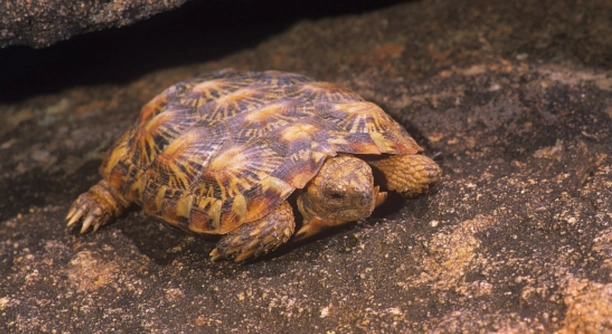
A tortoise’s shell is a vital part of its health and well-being. It serves as protection from predators, harsh weather, and other environmental factors. Proper care of a tortoise’s shell is essential to keep it strong and healthy.
To maintain your tortoise’s shell health, regular cleaning, proper diet, safe habitats, and monitoring for any injuries or signs of disease are crucial. Ensuring your tortoise gets the right nutrition and exercise will promote optimal shell development and prevent issues.
Taking these steps will help you keep your tortoise in top shape. The following guide breaks down each essential step to ensure your pet’s shell remains strong and protected for years to come.
1. Keep the Shell Clean
A tortoise’s shell can collect dirt, bacteria, and fungi, leading to potential health issues. To prevent this, it’s important to clean your tortoise’s shell regularly. Start by using a soft brush to gently scrub the shell with warm water. Avoid harsh soaps or chemicals, as they can damage the shell. Cleaning removes debris and helps you spot any signs of injury or illness early on. Regular cleaning also promotes healthy shell growth and overall well-being.
Clean your tortoise’s shell at least once a week. If they are particularly active or spend time in muddy areas, you may need to clean it more often.
It’s a good idea to use a dedicated, soft brush and water for shell cleaning. Avoid using abrasive materials or chemicals that could harm your tortoise. After cleaning, dry the shell thoroughly before letting your tortoise go back to its habitat. Keeping the shell clean is simple but an effective way to prevent infections and ensure a healthy tortoise.
2. Provide Proper Nutrition
Feeding your tortoise the right food is essential to its overall health, especially when it comes to shell development. A balanced diet with plenty of fiber, vitamins, and minerals helps maintain a strong, healthy shell. Many tortoises eat grasses, leafy greens, and some fruits. Calcium is especially important for shell growth, so including calcium-rich foods like collard greens, dandelion greens, and calcium supplements is vital.
Feed your tortoise a variety of fresh greens and limit high-oxalate foods like spinach. Make sure the diet is balanced with adequate calcium and low in protein.
In addition to greens, providing your tortoise with a small amount of fruit is acceptable. However, fruits should be offered sparingly due to their sugar content. If you’re unsure about the best food for your tortoise, consult a reptile veterinarian to make sure its nutritional needs are being met. A healthy diet will help your tortoise thrive and ensure strong shell growth over time.
3. Ensure Safe Habitat Conditions
A safe and comfortable habitat plays a huge role in keeping your tortoise’s shell healthy. Tortoises need an appropriate balance of temperature, humidity, and lighting to thrive. Make sure your tortoise’s enclosure has enough space for it to roam freely. Provide a warm area with UVB lighting to support shell and bone health. The UVB rays are crucial for vitamin D production, which is necessary for calcium absorption.
Proper humidity levels are important to avoid dry, brittle shells. Ensure the humidity level stays within the recommended range, depending on the species of your tortoise.
Also, make sure the enclosure is free from sharp objects or hazards that could scratch or damage your tortoise’s shell. Providing natural bedding materials like hay or grass can create a comfortable environment. A healthy, safe habitat is essential for your tortoise’s shell development and overall well-being.
4. Monitor for Injuries and Health Issues
Tortoises can sometimes suffer from injuries or infections that affect their shell health. Regularly check your tortoise for any visible cracks, chips, or unusual marks on its shell. Any changes should be addressed quickly to prevent infection or further damage. It’s important to keep an eye on your tortoise’s behavior, as lethargy or lack of appetite may indicate underlying health problems.
If your tortoise appears to be in pain or has trouble moving, you should take it to a reptile vet immediately.
Proper care and prompt action when signs of injury appear will prevent more serious health concerns. Even if there are no obvious issues, routine check-ups with a vet can help detect problems before they escalate. Keeping a close watch on your tortoise’s health ensures a longer, happier life with a healthy shell.
5. Keep Your Tortoise Active
Tortoises need regular exercise to stay healthy. Providing a large enough space for them to walk around is essential for their physical well-being. Exercise promotes proper shell growth and helps prevent deformities. When they are active, they strengthen their muscles and bones, which in turn supports a healthier shell.
Allow your tortoise to roam in a safe, enclosed outdoor space whenever possible. If outdoor access is limited, make sure the indoor habitat is large enough for them to move around comfortably. Exercise is important for both their physical health and emotional well-being.
Regular movement helps prevent obesity and supports digestion. You can also offer different textures and surfaces, such as rocks or branches, to encourage climbing or exploring. This type of stimulation mimics their natural environment, keeping them engaged and healthy. Tortoises are naturally curious creatures, so providing varied activities ensures they stay physically fit and mentally active.
6. Provide Proper UVB Lighting
UVB lighting is essential for a tortoise’s health, as it helps them produce vitamin D3, which is needed for calcium absorption. Without proper UVB light, a tortoise may develop shell deformities or other health issues like metabolic bone disease. It’s crucial to have a UVB light source in your tortoise’s habitat.
UVB bulbs should be placed near your tortoise’s basking area so that they can absorb the necessary rays. These lights should be replaced regularly to ensure proper UVB output. Tortoises need exposure to UVB for about 10-12 hours a day. If you don’t have access to natural sunlight, this artificial light will help replicate those conditions.
UVB lighting should not be too far from your tortoise. The distance between the light source and your tortoise should be kept at the correct range for optimal absorption. Always follow the manufacturer’s instructions for bulb placement to avoid underexposure or overexposure. Proper UVB lighting supports your tortoise’s overall health and helps maintain a strong, healthy shell.
7. Avoid Overfeeding
Overfeeding your tortoise can lead to obesity and other health issues, including shell deformities. It’s important to offer the right portion sizes according to your tortoise’s size and age. Too much food, especially high-protein diets, can result in long-term health problems.
Avoid offering food in excess, especially fruits and high-calcium items. Stick to the recommended portions for their specific species. Overfeeding can stress the tortoise’s digestive system and make it harder to maintain a healthy weight.
A proper feeding schedule with portion control is essential. Make sure your tortoise has access to fresh water daily, and remove uneaten food promptly to keep its environment clean. Avoid feeding on an ad-hoc basis to prevent unhealthy habits.
8. Regular Vet Check-ups
Taking your tortoise to the vet is an important part of keeping its shell healthy. Regular check-ups can help spot problems early, including shell infections or nutritional deficiencies. A vet can also advise on proper care based on your tortoise’s species and individual needs.
Having a vet who is familiar with reptiles can ensure your tortoise gets the right care. They can help monitor shell health, check for parasites, and provide advice on diet and habitat.
A vet visit is necessary even if no issues are apparent. Keeping up with these check-ups will ensure your tortoise lives a long, healthy life with a well-maintained shell.
FAQ
How do I know if my tortoise’s shell is healthy?
A healthy shell is smooth, hard, and free of cracks, dents, or soft spots. Look for any signs of discoloration or unusual growth. The shell should have a consistent color, and the scutes (the individual plates on the shell) should be well-defined. If the shell appears uneven or soft to the touch, there may be a health concern. It’s also important to monitor your tortoise’s behavior. If it seems lethargic or refuses to eat, it could indicate an underlying issue with its shell or overall health. Routine checks with a vet can ensure your tortoise stays healthy.
What should I feed my tortoise to keep its shell healthy?
A well-balanced diet is key to maintaining a healthy shell. Most tortoises eat a variety of leafy greens such as dandelion greens, collard greens, and turnip greens. A proper calcium-to-phosphorus ratio is crucial for shell health, so feeding calcium-rich foods like kale, and adding calcium supplements to their diet if necessary, is essential. Avoid feeding too many high-protein foods, such as meats or pet food, as this can cause imbalances. Fruits should be given sparingly. Ensure your tortoise always has fresh water available.
Can a tortoise’s shell grow back if it’s damaged?
A tortoise’s shell cannot fully regenerate if it’s severely damaged. However, minor injuries to the shell may heal over time, especially if the damage is not too deep. The shell is made of bone and is covered by keratin (like human nails), which can repair itself to a certain extent. If the damage is significant, such as deep cracks or wounds, it’s important to take your tortoise to the vet for treatment. Infections can develop if the shell is not properly treated, so seeking professional care is essential.
What can cause my tortoise’s shell to soften?
A soft shell is often caused by a lack of calcium, improper UVB lighting, or a nutritional imbalance. If your tortoise isn’t receiving enough calcium or UVB light, it will struggle to absorb the vitamin D needed for calcium metabolism. Without sufficient calcium, the shell can become soft and brittle. Environmental factors, such as too high or too low humidity, can also impact shell health. To fix this, provide a balanced diet with adequate calcium, offer UVB lighting for 10-12 hours a day, and ensure the habitat has the right humidity levels.
How can I prevent shell rot in my tortoise?
Shell rot can occur if your tortoise’s shell becomes too moist or dirty, leading to bacterial or fungal infections. To prevent this, keep your tortoise’s enclosure clean and dry. Regularly remove waste and excess moisture from the environment. Ensure your tortoise has a dry area to bask in and a separate area for humidity. If your tortoise gets wet, make sure to dry it off quickly to prevent prolonged moisture exposure. If you suspect shell rot, seek immediate veterinary care to prevent it from spreading.
Why does my tortoise bask so much?
Basking is an essential behavior for tortoises. It helps them regulate their body temperature and absorb UVB rays, which are necessary for calcium absorption. Tortoises are ectothermic (cold-blooded), meaning they rely on external heat sources to maintain their body temperature. Basking under a heat lamp or in sunlight allows your tortoise to stay warm and active. If your tortoise is basking excessively, it could indicate that the environment is too cold, or it may be experiencing some stress or illness. Make sure the basking area is the correct temperature for your species of tortoise.
Can I keep my tortoise outside all year round?
Whether or not you can keep your tortoise outside year-round depends on the climate and the species. Some tortoises, like the Russian tortoise, can tolerate cooler temperatures and may be kept outside year-round in mild climates. However, if you live in an area with harsh winters or extreme temperatures, it’s best to bring your tortoise indoors during these times. Outdoor enclosures should be escape-proof, safe from predators, and provide both shaded and sunny areas for your tortoise to regulate its body temperature. Be mindful of the temperature and weather conditions to keep your tortoise safe.
What should I do if my tortoise has a cracked shell?
If your tortoise has a cracked shell, it’s crucial to act quickly to prevent infection. Clean the wound with warm water and a mild antiseptic, and then cover the crack with a bandage if necessary. Seek immediate veterinary care to ensure the injury is properly treated and to prevent further complications. Depending on the severity of the crack, the vet may recommend a special shell repair technique or antibiotics to prevent infection. Avoid handling the tortoise excessively, as this may stress it further. Proper care and prompt action are essential to prevent long-term damage.
How do I maintain the right humidity for my tortoise?
Maintaining the right humidity level in your tortoise’s habitat is crucial for its health. Too much humidity can cause respiratory issues, while too little can dry out your tortoise’s skin and shell. The optimal humidity level will vary depending on the species, but generally, you can achieve the right balance by adding a shallow water dish for drinking and soaking, using a humidifier, or misting the enclosure regularly. Be sure to monitor the humidity with a hygrometer to ensure it stays within the recommended range. If your tortoise seems lethargic or shows signs of dehydration, check the humidity levels.
Can my tortoise live with other pets?
Tortoises are solitary animals and can become stressed if housed with other pets, especially if they are too active or territorial. In general, it’s best to keep your tortoise in its own space to ensure it feels secure. If you have other pets, such as other reptiles or animals, be mindful of how they interact. Never house your tortoise with species that may see it as food or pose a threat. Always supervise interactions with other pets, and ensure that your tortoise has a peaceful, safe space to retreat to.
Taking care of your tortoise’s shell is essential for its overall health and well-being. A healthy shell allows your tortoise to stay protected from external threats and thrive in its environment. By following basic steps like proper nutrition, keeping the shell clean, and ensuring a safe habitat, you can help your tortoise maintain a strong and healthy shell throughout its life. Remember that a balanced diet, regular vet check-ups, and the right environmental conditions play a large role in shell health.
It’s also important to regularly check your tortoise for any signs of shell damage, softness, or infections. If you notice any issues, act quickly by consulting a reptile vet for proper care. Soft or damaged shells can lead to more serious health problems if not addressed in time. By staying proactive with your tortoise’s health, you can prevent potential problems and ensure it has a long, happy life. Proper exercise and the right UVB lighting also support strong shell growth, so never overlook these factors.
In the end, caring for your tortoise’s shell isn’t just about keeping it clean. It’s about creating an environment where your tortoise can thrive naturally and healthily. With the right knowledge and attention, your tortoise can live a healthy life with a well-maintained shell that will last for years to come. Taking the time to understand their needs and making sure you meet them will provide a strong foundation for your tortoise’s overall health.

Hello,
If you enjoy the content that we create, please consider saying a "Thank You!" by leaving a tip.
Every little bit helps us continue crafting quality advice that supports the health, happiness, and well-being of pets around the world, for pets of all shapes, sizes, and species.
We really appreciate the kindness and support that you show us!