
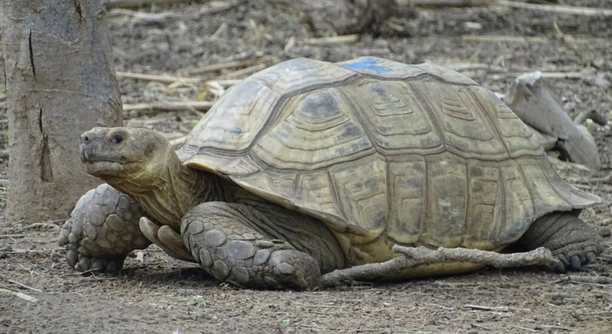
Is your tortoise constantly digging up your plants, leaving your garden in disarray? This behavior is natural but can be frustrating for plant owners. Understanding why your tortoise digs is the first step to finding an effective solution.
Preventing your tortoise from digging up plants requires a combination of habitat adjustments, physical barriers, and enrichment. Providing a designated digging area, using plant covers, and ensuring proper hydration can help redirect this behavior while keeping your garden intact.
Creating a tortoise-friendly space allows them to engage in natural behaviors without damaging your plants. With the right approach, you can maintain a thriving garden while keeping your tortoise happy and healthy.
Why Tortoises Dig Up Plants
Tortoises dig for various reasons, including temperature regulation, instinct, and boredom. If their enclosure lacks proper shelter, they may burrow to escape heat or cold. Some tortoises dig to create a nesting site, while others do it simply as a natural behavior. Ensuring their habitat meets their needs can help minimize excessive digging.
Providing enough shade, hiding spots, and soft bedding can discourage unwanted digging. If a tortoise is digging near plants, it may be seeking moisture. Keeping the soil adequately damp and offering a designated digging area can help redirect their actions without harming your garden.
Observing your tortoise’s behavior can give you clues about why they are digging. If they seem restless or frequently return to the same spot, consider adjusting their environment. Small changes can make a big difference in preventing damage to your plants while keeping your tortoise comfortable.
Effective Ways to Stop Digging
Placing barriers around vulnerable plants can help prevent digging. Small fences, mesh covers, or large rocks can serve as deterrents while allowing plants to grow undisturbed. Another solution is planting sturdy vegetation that can withstand minor disturbances.
Providing a separate digging area with loose soil or sand can satisfy your tortoise’s need to burrow. This space should be easily accessible and located in a shaded area. If they have a designated spot to dig, they are less likely to disturb your plants. Additionally, keeping them hydrated and engaged with enrichment activities, such as edible plants or safe toys, can reduce digging caused by boredom.
By making these adjustments, you can create a balanced environment that supports your tortoise’s instincts while protecting your garden. Simple solutions like barriers, proper hydration, and enrichment can effectively redirect their behavior and keep your plants intact.
Adjusting the Enclosure
Providing a well-structured enclosure can prevent excessive digging. A secure perimeter with buried fencing discourages escape attempts. Ensuring a variety of textures, such as grass, soil, and sand, gives your tortoise options without damaging plants. Proper shading and hiding spots also help regulate their temperature and reduce stress.
A tortoise enclosure should mimic their natural habitat. Adding logs, rocks, or small mounds can create a stimulating environment, reducing the urge to dig randomly. If they burrow for warmth, ensure their shelter provides insulation from extreme temperatures. Regularly checking soil moisture prevents them from seeking damp areas near plants. A dry enclosure may encourage more digging.
Expanding the space available for movement can also help. A cramped area may lead to excessive burrowing as they search for comfort. Offering a well-balanced diet and proper hydration ensures they are not digging out of nutritional deficiencies. A healthy tortoise is less likely to exhibit destructive behaviors.
Providing a Digging Area
Designating a specific digging spot allows your tortoise to satisfy its natural instincts without harming plants. Choose an area with loose soil or sand that is easy for them to dig into. Keep it in a shaded section of their enclosure to encourage use. Adding familiar scents can make it more appealing.
The size of the digging area should be appropriate for your tortoise’s species and activity level. Some prefer shallow burrowing, while others dig deeper. Observing their behavior can help determine the best setup. Keeping this section slightly moist can attract them away from garden plants. If they continue digging elsewhere, gently redirect them to the designated spot.
Maintaining this area is essential for keeping it effective. Raking and refreshing the soil prevents compaction, making it easier for them to burrow. Ensuring it remains clean and free of debris provides a safe and enjoyable environment. Simple adjustments can keep both your tortoise and plants happy.
Using Barriers Around Plants
Small fences, mesh covers, or large stones can protect plants from being uprooted. Barriers should be sturdy enough to withstand your tortoise’s weight and height. Position them deep into the soil to prevent burrowing underneath and ensure they blend naturally into the enclosure to maintain a comfortable environment.
Raised garden beds are another effective option. Elevating plants above ground level keeps them out of reach while still allowing your tortoise to roam freely. Using planters with heavy bases prevents tipping, and placing them near enclosure edges can provide additional protection from accidental digging or trampling.
Ensuring Proper Hydration
Dehydration can lead to increased digging as tortoises search for moisture in the soil. Providing a shallow water dish allows them to soak and stay hydrated. Misting the enclosure during hot weather can also help maintain humidity levels and reduce the need for moisture-seeking behavior.
Offering Enrichment Activities
Keeping your tortoise engaged with safe toys, edible plants, and different textures can prevent boredom-related digging. Scatter food in different areas to encourage natural foraging. Rearranging enclosure elements occasionally keeps their space stimulating. Providing varied activities ensures they remain mentally and physically active, reducing destructive behaviors while promoting a healthier and more balanced lifestyle.
FAQ
Why does my tortoise dig?
Tortoises dig for various reasons, including searching for food, creating a comfortable burrow, or regulating body temperature. In captivity, they may dig out of boredom or as a natural instinct to find a safe spot. It’s important to provide an environment that meets their needs and limits unwanted digging.
How can I prevent my tortoise from digging up my plants?
You can prevent digging by using barriers around plants, such as fences or rocks, to stop them from reaching your garden. Additionally, offering a designated digging area with loose soil or sand will allow them to fulfill this natural instinct without causing harm to your plants.
Is it normal for my tortoise to dig up my garden?
Yes, it is normal. Digging is a natural behavior for tortoises, especially if they are looking for food, creating a nest, or simply engaging with their environment. The key is to provide proper outlets for this behavior, like a dedicated digging area, so they don’t target your plants.
How can I stop my tortoise from digging excessively?
To minimize excessive digging, make sure your tortoise has enough space, enrichment, and proper shelter. Ensure their enclosure provides varied textures, hiding spots, and safe areas to burrow. Maintaining hydration and offering an appropriate diet will also reduce digging out of necessity or boredom.
Can I stop my tortoise from digging altogether?
It’s difficult to stop digging entirely since it’s a natural and healthy behavior for tortoises. However, you can redirect it by providing a dedicated area for digging. By offering an environment that satisfies their needs, such as temperature control, hiding spots, and regular enrichment, you can minimize damage to your plants.
Should I be worried if my tortoise is digging a lot?
While digging is normal, excessive or repetitive digging could indicate an underlying issue, such as stress, discomfort, or inadequate living conditions. Evaluate their enclosure, diet, and hydration levels to ensure they are not digging due to distress or physical discomfort.
What is the best type of soil for a tortoise’s digging area?
Loamy soil mixed with sand is ideal for digging, as it’s soft but still firm enough to hold shape. Avoid using soil with too many additives, as it can be harmful to your tortoise if ingested. Regularly check the soil’s moisture to ensure it’s not too dry or wet for comfort.
How often should I change the bedding in my tortoise’s enclosure?
Bedding should be replaced regularly to maintain a clean and healthy environment. The frequency depends on the tortoise’s behavior and the type of bedding used, but generally, changing the bedding every few weeks helps control odor and keeps the space hygienic. Spot clean daily to remove waste.
Can my tortoise’s diet affect its digging behavior?
Yes, a poor diet can lead to increased digging. If your tortoise isn’t getting the right nutrients or hydration, it may dig more as a way of coping. Ensure their diet includes fresh vegetables, fruits, and appropriate supplements to keep them healthy and reduce unnecessary digging.
How do I create a comfortable burrow for my tortoise?
To create a comfortable burrow, provide soft, moist soil or sand in a shaded area of the enclosure. The burrow should be deep enough to allow your tortoise to hide or cool off when needed. Keep the soil regularly moist but not soggy to prevent dehydration and ensure comfort.
Is it okay to allow my tortoise to dig indoors?
Allowing your tortoise to dig indoors is generally not a good idea. Digging can be destructive to your home, and they may ingest inappropriate materials. If you wish to provide a digging space indoors, set up a large container with safe soil or sand, ensuring the area is easy to clean.
How can I make my tortoise’s enclosure more interesting to prevent digging?
Add different textures like rocks, branches, and plants to keep your tortoise engaged. Offering hideouts, tunnels, and varied substrates will provide stimulation and reduce boredom-related digging. You can also introduce edible plants and fresh food in different areas to encourage foraging and exploration.
Why does my tortoise dig at certain times of the day?
Tortoises often dig during specific times, such as early mornings or evenings, when temperatures are cooler. They may also dig during breeding season or after feeding. Understanding your tortoise’s natural behavior patterns will help you create a more comfortable environment that limits unnecessary digging.
Can my tortoise’s behavior change if I change its habitat?
Yes, a change in habitat can affect your tortoise’s behavior. A larger, more stimulating environment can reduce stress and make them less likely to dig excessively. On the other hand, if their new space is too small or uncomfortable, they may dig more to find a better spot.
What signs indicate that my tortoise is digging because of stress?
If your tortoise is digging excessively and seems restless or agitated, it could be a sign of stress. Other signs include lack of appetite, changes in behavior, and constant pacing. Review their environment and ensure they have enough space, shelter, and proper care to reduce stress-related digging.
Can I use plants in my tortoise’s enclosure without worrying about digging?
Yes, but choose sturdy, non-toxic plants that are safe for tortoises. Larger, hard-to-reach plants are less likely to be disturbed by digging. You can also create plant enclosures or barriers to prevent your tortoise from digging them up. Always research plants before introducing them to your tortoise’s space.
Final Thoughts
Understanding why your tortoise digs and how to address the behavior can help create a more harmonious environment for both you and your pet. Digging is a natural behavior for tortoises, often linked to their need for food, moisture, or shelter. It is important to acknowledge that some level of digging is normal and even beneficial, as it helps them stay physically and mentally stimulated. However, excessive digging can lead to damage to plants and disrupt the enclosure’s overall setup. By recognizing the signs of normal versus problematic digging, you can take appropriate steps to minimize damage while supporting your tortoise’s natural instincts.
Creating an environment that satisfies your tortoise’s needs is key. Providing designated digging areas, using barriers around plants, and offering enrichment activities like hideouts or foraging opportunities can make a significant difference. Additionally, ensuring proper hydration and nutrition is crucial to preventing unnecessary digging out of frustration or dehydration. These simple adjustments can create a space that allows your tortoise to express natural behaviors while minimizing harm to the environment. Pay attention to their behavior and make changes as necessary to keep them comfortable and healthy.
Finally, while it’s difficult to completely stop digging due to its inherent nature, managing the environment and providing proper outlets for these behaviors can lead to a more balanced, enjoyable experience for both you and your tortoise. The key is to find a balance that keeps your pet happy while protecting your plants and space. With the right care and understanding, you can ensure that your tortoise lives in a well-suited, enriched habitat that supports their health and well-being.

Hello,
If you enjoy the content that we create, please consider saying a "Thank You!" by leaving a tip.
Every little bit helps us continue crafting quality advice that supports the health, happiness, and well-being of pets around the world, for pets of all shapes, sizes, and species.
We really appreciate the kindness and support that you show us!