
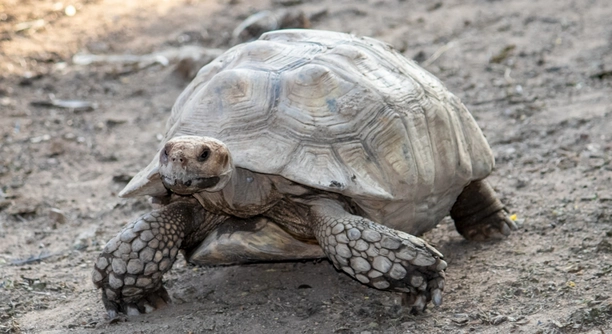
Shell rot can be a serious issue for tortoises, but spotting it early can make all the difference. Knowing what to look for helps protect your pet and ensure they stay healthy and comfortable.
The early signs of shell rot in tortoises can be identified by observing changes in their shell appearance, texture, and behavior. Common indicators include softening, discoloration, foul odor, and abnormal growths that may indicate the presence of infection.
Recognizing these early warning signs will help prevent further damage and aid in quick treatment. With prompt care, your tortoise can recover and continue living a healthy life.
Understanding Shell Rot in Tortoises
Shell rot in tortoises occurs when the shell becomes infected due to bacteria, fungi, or parasites. This infection can cause the shell to soften, develop holes, or even disintegrate. If left untreated, it can severely affect the health of the tortoise, leading to pain, weakness, and even death. The infection typically starts in areas where the shell is damaged or stressed. Moist, unsanitary conditions often increase the risk of shell rot. Regular care and monitoring are crucial to prevent it from developing. Maintaining a clean and dry environment for your tortoise is key to avoiding shell-related problems.
Prevention is always better than treatment. Regular check-ups, proper enclosure care, and avoiding high moisture areas can help prevent this issue. Additionally, providing a balanced diet helps ensure the overall health of your pet.
A tortoise’s shell is its protective barrier, so when it’s compromised, it affects the tortoise’s ability to stay safe from external threats. If you notice any changes in your tortoise’s shell, it’s essential to act quickly to avoid the infection from worsening. Early intervention is often the key to a full recovery.
Identifying Softening Shell
Softening of the shell is often one of the first signs of shell rot. When the shell becomes soft, it indicates that the tortoise is struggling with infection. This is a clear signal that something is wrong.
A healthy tortoise’s shell should feel firm and sturdy. If it feels soft to the touch, it is likely a sign of infection or damage. Moisture, bacteria, or fungi can cause the shell to weaken and lose its hard texture. The soft areas are prone to further damage, which can make the infection worse. Keeping your tortoise’s living space dry and clean can prevent the development of these symptoms.
If you find soft patches on the shell, it’s important to consult a vet for further diagnosis and treatment. This could involve cleaning the shell, applying topical treatments, and possibly altering the tortoise’s living conditions to ensure a faster recovery. Always monitor your pet closely and address any changes immediately.
Discoloration of the Shell
Discoloration is another common sign of shell rot. If your tortoise’s shell turns yellow, white, or even black in certain areas, it might be a sign of infection. The color change happens when the tissue beneath the shell is damaged.
A healthy shell has a consistent color and texture. When infection sets in, it can cause the shell to appear blotchy or discolored. Areas of white or yellow may indicate a fungal infection, while black spots often signal dead tissue. This discoloration should never be ignored, as it typically means the infection has already spread beneath the shell. It’s important to keep your tortoise’s shell clean and dry to reduce the chances of discoloration.
If you notice these color changes, inspect the shell closely. Discoloration often happens along the edges, where the shell meets the skin. If these patches are soft or smelly, it’s even more likely that shell rot is the cause. Quick action can prevent further damage and help restore your tortoise’s health.
Foul Odor
A foul odor coming from your tortoise’s shell is a serious warning sign. This usually means there’s infection and decay taking place. The smell can be strong and unpleasant.
Infected areas of the shell may start to release a rotten smell. This typically happens when the bacteria or fungi break down tissue inside the shell. The smell is usually a sign that the infection is not only present but is also spreading. If your tortoise begins to smell bad, it’s crucial to get immediate treatment. The infection can spread quickly and lead to more serious health issues.
When treating a smelly shell, make sure to clean the area thoroughly with mild antiseptic solutions. A veterinarian will likely need to treat the infection, and the tortoise may need medications. Keeping the environment clean and dry can prevent further odor issues.
Visible Holes or Pits
Holes or pits on the shell are a clear sign of shell rot. If you notice any soft or hollow areas, it means the infection has caused tissue damage. These holes should be treated immediately to prevent further deterioration.
The size of the holes can vary depending on the severity of the infection. Infected areas may start as small indentations and grow larger over time. The tissue beneath the shell may also become compromised, leading to deeper pits. The faster you address these issues, the less damage will occur. Immediate treatment can help prevent further infection.
Abnormal Growths
Abnormal growths on the shell, such as raised or swollen areas, can also be indicators of shell rot. These growths are often a sign of infection spreading beneath the surface. They may appear as lumps or bumps that weren’t there before.
Growths can develop as a result of an immune response to the infection, or they may form as the tissue tries to heal itself. Regardless of the cause, these growths need to be examined by a vet. With prompt treatment, they may be able to be removed or healed. Left untreated, they can lead to more serious health problems.
FAQ
What causes shell rot in tortoises?
Shell rot in tortoises is caused by bacterial, fungal, or parasitic infections. These infections typically occur when the tortoise’s shell is damaged or stressed, often by poor living conditions like excess moisture, unsanitary environments, or trauma to the shell. Damp, dirty enclosures provide the perfect breeding ground for the pathogens that cause shell rot. It’s important to keep your tortoise’s environment dry, clean, and properly ventilated to reduce the risk of infection. Injury to the shell, whether from fighting or falling, can also increase the chances of developing shell rot if not treated.
How can I prevent shell rot in my tortoise?
To prevent shell rot, maintaining a clean and dry habitat is essential. Regularly clean the tortoise’s enclosure and remove any excess moisture. Ensure the habitat has proper drainage, so water doesn’t pool in areas where your tortoise spends time. Also, avoid high humidity levels and keep the temperature within a healthy range for your specific species. Feeding your tortoise a well-balanced diet rich in vitamins and minerals will help keep its immune system strong and better able to fight off infections. Regular check-ups with a vet can help catch early signs of shell rot and other health issues.
What should I do if I notice signs of shell rot in my tortoise?
If you see signs of shell rot such as discoloration, soft spots, foul odor, or visible holes, it’s important to act quickly. The first step is to clean the affected area gently with a mild antiseptic and dry it thoroughly. Avoid using harsh chemicals or soaps. Then, schedule a visit to a vet specializing in reptiles to get a proper diagnosis and treatment plan. The vet may prescribe antibiotics, antifungals, or other treatments depending on the severity of the infection. If the infection is advanced, surgery may be required to remove infected tissue.
Can shell rot be treated at home?
Mild cases of shell rot can sometimes be managed at home by cleaning the shell with a gentle antiseptic and keeping the tortoise in a dry, clean environment. However, it is always recommended to consult with a vet. Even with at-home care, it’s important to get professional advice to avoid worsening the condition. In some cases, shell rot may require topical or oral medications prescribed by a vet, and severe infections may require surgical intervention to remove damaged tissue. The longer the condition is left untreated, the more difficult it can be to reverse the damage.
How long does it take for a tortoise to recover from shell rot?
Recovery time for a tortoise with shell rot varies depending on the severity of the infection. Minor cases may take a few weeks with proper care, while more severe cases can take several months. In some instances, if the infection is advanced, it may take longer and require additional treatments. It’s important to continue following your vet’s advice and care instructions, which may include applying medication, providing a clean environment, and offering a nutritious diet. Monitoring your tortoise’s progress and regularly visiting the vet for follow-up appointments will help ensure a successful recovery.
Can shell rot spread to other tortoises?
Yes, shell rot can spread to other tortoises, especially if they share the same living space. If one tortoise is infected, it’s crucial to quarantine them immediately to prevent the infection from spreading. Clean and disinfect the shared living area thoroughly, removing any potential sources of bacteria or fungi. Always wash your hands after handling an infected tortoise, and consider using gloves to avoid transferring pathogens. Regular health checks for all tortoises in the same environment can help catch any signs of shell rot early before it spreads.
Is shell rot painful for tortoises?
Yes, shell rot can be painful for tortoises. As the infection causes damage to the shell, the tissue beneath may become inflamed or necrotic, leading to discomfort. Tortoises may display signs of pain, such as decreased activity, changes in behavior, or reluctance to move or eat. In severe cases, the infection can even affect the internal organs. If you notice any changes in your tortoise’s behavior or shell condition, it’s important to address the issue promptly with the help of a vet.
Can shell rot affect a tortoise’s overall health?
Yes, shell rot can affect a tortoise’s overall health if left untreated. The infection can cause systemic issues, including weight loss, lethargy, and reduced appetite. In advanced cases, the infection can spread to internal organs or lead to systemic infections, which can be fatal. A compromised shell also makes the tortoise more vulnerable to other injuries or infections. That’s why early detection and proper treatment are essential to prevent long-term health complications.
What are the signs of a severe case of shell rot?
In severe cases of shell rot, the shell may become completely discolored with areas of black or brown, and large holes or pits may appear. The infected area may release a foul-smelling odor, and the tissue underneath could appear necrotic. The tortoise may also exhibit signs of extreme discomfort or pain, such as reduced movement, lack of appetite, or irritability. If you notice any of these signs, it’s important to seek immediate veterinary care. Severe shell rot requires urgent intervention to prevent permanent damage or death.
Can shell rot happen in all tortoise species?
Shell rot can affect any tortoise species, but some may be more prone to it due to their natural habitat, diet, or living conditions. Tortoises kept in humid or wet environments are more likely to develop shell rot, as are those that experience physical injury or trauma to their shells. Species that are particularly susceptible include the red-footed tortoise, leopard tortoise, and Russian tortoise. Regardless of the species, it’s essential to maintain proper care, keep the living space clean and dry, and ensure a nutritious diet to reduce the risk of shell rot.
Final Thoughts
Shell rot is a serious condition that can affect any tortoise, but it can be prevented and treated with proper care and attention. By keeping your tortoise’s habitat clean, dry, and free from excess moisture, you can significantly reduce the risk of shell rot. Regularly check your tortoise’s shell for signs of damage or infection, such as discoloration, soft spots, or foul odor. If you spot any early signs, act quickly to prevent the issue from getting worse. Taking steps to ensure your tortoise has a healthy, safe environment is essential for their long-term well-being.
Early detection and treatment are crucial when it comes to shell rot. If you notice any of the warning signs, don’t hesitate to contact a veterinarian who specializes in reptiles. They can help you identify the severity of the condition and recommend the best treatment plan. In mild cases, cleaning the shell and keeping the tortoise in a dry, warm area may be enough. However, in more severe cases, antibiotics, antifungal treatments, or even surgery might be necessary. The quicker you address the problem, the better chance your tortoise has for a full recovery.
Remember that your tortoise’s shell is more than just a protective covering—it’s an essential part of their health. Taking care of it ensures they can continue to live comfortably and safely. By staying vigilant and providing the right care, you can help your tortoise stay healthy and prevent shell rot from taking a toll on their life. Regular checkups and proactive care go a long way in preventing many common health problems, including shell rot. Keeping your tortoise happy and healthy requires time, attention, and a little extra effort, but it’s always worth it for their well-being.

Hello,
If you enjoy the content that we create, please consider saying a "Thank You!" by leaving a tip.
Every little bit helps us continue crafting quality advice that supports the health, happiness, and well-being of pets around the world, for pets of all shapes, sizes, and species.
We really appreciate the kindness and support that you show us!