
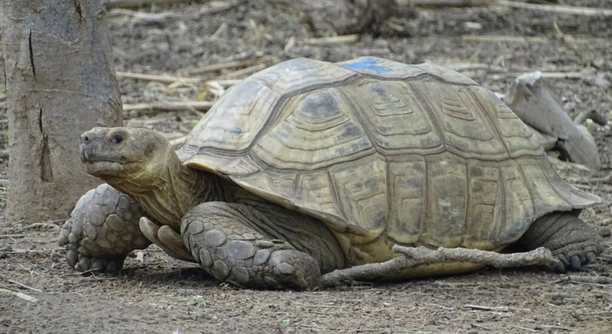
Is your tortoise’s beak growing longer than usual, making it difficult for them to eat? An overgrown beak can be a sign of diet issues, lack of wear, or underlying health concerns that require attention.
A tortoise’s beak becomes overgrown when it lacks natural wear from chewing on fibrous foods or rough surfaces. Poor diet, metabolic bone disease, or improper habitat conditions can contribute to this issue. Regular trimming and dietary adjustments help maintain proper beak length.
Keeping your tortoise’s beak at a healthy length ensures they can eat comfortably and maintain overall well-being. Understanding the causes and solutions can help prevent future problems and support your pet’s long-term health.
Why Your Tortoise’s Beak Is Overgrown
A tortoise’s beak naturally wears down through chewing on tough foods and rough surfaces. When this doesn’t happen, the beak continues growing, leading to difficulty eating. A soft diet, lack of abrasive surfaces, or metabolic bone disease can contribute to this problem. Beak overgrowth is common in captive tortoises that don’t have access to the same natural wear as they would in the wild. If left untrimmed, an overgrown beak can cause discomfort and prevent your tortoise from eating properly. Identifying the cause early ensures your pet stays healthy and avoids further complications.
Regular monitoring of your tortoise’s beak is important. Overgrowth can develop gradually, making it easy to overlook until eating difficulties arise. Checking for signs like uneven growth or difficulty grasping food helps catch the problem before it worsens.
A well-maintained beak allows your tortoise to eat comfortably and maintain a natural lifestyle. Adjusting their diet and environment can prevent excessive growth and reduce the need for frequent trims.
7 Ways to Fix an Overgrown Beak
Providing rough, fibrous foods like hay and tough greens encourages natural wear. These foods help grind down the beak and promote a balanced diet.
Adding cuttlebones, natural rocks, or rough feeding surfaces gives your tortoise the opportunity to wear down their beak naturally. Ensuring they have access to these materials can prevent overgrowth and reduce the need for trimming. If the beak is already too long, a veterinarian or experienced reptile specialist may need to trim it. This should be done carefully to avoid injury. Regular beak checks help determine when professional trimming is necessary.
Preventing beak overgrowth starts with a proper diet and habitat. Feeding a variety of fibrous foods, avoiding excessive soft foods, and incorporating natural grinding surfaces can help maintain the right length. Keeping an eye on your tortoise’s eating habits and beak condition ensures they stay healthy and avoid complications.
How to Prevent Beak Overgrowth
A proper diet is essential for keeping a tortoise’s beak at a healthy length. Offer fibrous foods like leafy greens, hay, and tough vegetables. Avoid excessive soft foods, as they don’t provide the necessary abrasion for natural beak wear.
Providing access to rough surfaces helps maintain beak length. Flat rocks, cuttlebones, and textured feeding stations encourage natural grinding as the tortoise eats. These materials mimic the rough terrain they would encounter in the wild, preventing excessive growth. Without these surfaces, the beak may grow too long, making eating difficult.
Regular checkups are necessary to monitor your tortoise’s beak. Overgrowth can develop gradually, so inspecting their beak every few weeks ensures you catch any issues early. If you notice uneven growth or difficulty eating, consider adjusting their diet or introducing more natural grinding surfaces to prevent further problems.
When to Seek Professional Help
If your tortoise struggles to eat or shows signs of discomfort, professional trimming may be necessary. A veterinarian or experienced reptile specialist can safely trim the beak without causing injury. Attempting to trim it at home without experience can result in pain or damage to the mouth.
A severely overgrown beak can lead to serious feeding difficulties. If your tortoise avoids food, drops food while eating, or has an uneven or cracked beak, a vet visit is essential. They can determine whether trimming is needed and identify any underlying health issues. Regular trims may be necessary if the beak continues to grow abnormally.
Seeking professional help ensures your tortoise remains healthy and can eat comfortably. While diet and habitat adjustments can prevent future overgrowth, some tortoises may still require occasional trims. Regular monitoring and proper care reduce the risk of complications and help maintain their overall well-being.
Common Causes of Beak Overgrowth
A diet lacking in fibrous foods can lead to an overgrown beak. Soft foods do not provide the necessary abrasion to naturally file down the beak. Ensuring a balanced diet with tough greens and rough textures helps prevent excessive growth and promotes overall health.
Limited access to rough surfaces also contributes to beak overgrowth. In the wild, tortoises naturally wear down their beaks by foraging on hard materials. Without access to flat rocks, cuttlebones, or textured feeding stations, their beaks can grow too long, making eating difficult.
Signs Your Tortoise’s Beak Needs Trimming
An overgrown beak often appears long, uneven, or curved. Your tortoise may struggle to grasp or chew food, leading to weight loss or frustration during meals. In some cases, cracks or flaking may develop, indicating the need for intervention. Regular monitoring helps catch these issues early.
Simple Ways to Help at Home
Encouraging natural wear by offering fibrous foods and rough surfaces is the best way to prevent overgrowth. Regularly checking your tortoise’s beak and making necessary adjustments to their diet and environment helps maintain a healthy beak length and prevents future complications.
FAQ
How often should I check my tortoise’s beak for overgrowth?
Checking your tortoise’s beak every few weeks helps catch overgrowth early. Regular monitoring ensures you notice any changes in shape or length before they become severe. If you see signs of difficulty eating, inspect the beak more frequently.
Can an overgrown beak fix itself naturally?
In some cases, a proper diet and access to rough surfaces can help gradually wear down a slightly overgrown beak. However, if the beak is significantly long or misshapen, intervention is necessary. Without proper care, the overgrowth may worsen and make eating difficult.
What foods help naturally wear down a tortoise’s beak?
Leafy greens, hay, and tough vegetables like squash and carrots help provide natural abrasion. These foods require more chewing, which promotes beak wear. Avoid offering too many soft foods, as they do not contribute to natural filing and can lead to overgrowth.
Is it safe to trim my tortoise’s beak at home?
Trimming a tortoise’s beak at home is risky unless you have experience. Using the wrong tools or applying too much pressure can cause pain, bleeding, or permanent damage. It is best to consult a veterinarian or reptile specialist to ensure safe trimming.
What tools do professionals use to trim a tortoise’s beak?
Veterinarians and reptile specialists typically use rotary tools, specialized files, or clippers designed for small animals. These tools allow precise trimming without causing injury. Attempting to use household scissors or nail clippers is not recommended, as they can lead to cracking or uneven cuts.
Can an overgrown beak cause health problems?
Yes, an excessively long beak can make eating difficult, leading to weight loss and nutritional deficiencies. If left untreated, the beak may crack, causing pain and potential infections. Keeping the beak at a proper length helps prevent these health complications.
Why does my tortoise’s beak keep growing even with a proper diet?
Some tortoises are genetically prone to beak overgrowth, regardless of diet. Underlying health conditions, such as metabolic bone disease, can also contribute to excessive growth. Regular vet checkups help determine if additional care is needed beyond dietary adjustments.
Are certain tortoise species more prone to beak overgrowth?
Yes, some species, such as Russian tortoises and leopard tortoises, are more likely to develop beak overgrowth. Their natural diet and eating habits influence how quickly their beaks wear down. Providing appropriate foods and enrichment can help reduce the risk.
How long does it take for a tortoise’s beak to grow back after trimming?
The rate of beak growth varies, but it generally takes several months for noticeable regrowth. Regular diet management and environmental adjustments help slow excessive growth and reduce the need for frequent trims.
What should I do if my tortoise refuses to eat after a beak trim?
Some tortoises may need time to adjust after a trim. Offer soft foods for a few days to encourage eating while their beak settles. If refusal continues, consult a veterinarian to rule out pain or other complications.
Can a damaged beak heal on its own?
Minor chips or cracks may smooth out over time with proper diet and wear. However, severe damage requires professional care to prevent further issues. A veterinarian can assess the severity and recommend appropriate treatment.
How can I make my tortoise’s habitat more suitable for natural beak wear?
Adding rough surfaces like flat stones, textured feeding dishes, and cuttlebones helps promote natural beak wear. These elements encourage your tortoise to rub its beak while eating, preventing excessive growth. Proper habitat enrichment supports overall health and well-being.
Final Thoughts
Keeping a tortoise’s beak at a healthy length requires a combination of proper diet, habitat adjustments, and occasional professional trimming. Offering foods that promote natural wear, such as fibrous greens and tough vegetables, can help prevent excessive growth. Providing textured surfaces like cuttlebones or rough feeding stones encourages natural filing and reduces the need for frequent intervention. Regularly checking your tortoise’s beak ensures early detection of overgrowth, making it easier to manage before it affects their ability to eat.
If a tortoise’s beak becomes too long, professional trimming is often the safest solution. Attempting to trim it at home without experience can lead to injuries or uneven cuts, making the problem worse. A veterinarian or reptile specialist has the right tools to safely shape the beak without causing pain. After trimming, monitoring your tortoise’s eating habits is essential to ensure they can comfortably consume food. If they struggle to eat, soft foods can help while they adjust.
Preventing beak overgrowth is easier than correcting it once it becomes severe. A well-balanced diet, appropriate environmental enrichment, and routine health checks can significantly reduce the risk. Being proactive in their care not only prevents discomfort but also supports their overall well-being. With proper maintenance, your tortoise can thrive with a strong, functional beak that allows them to eat and live comfortably.

Hello,
If you enjoy the content that we create, please consider saying a "Thank You!" by leaving a tip.
Every little bit helps us continue crafting quality advice that supports the health, happiness, and well-being of pets around the world, for pets of all shapes, sizes, and species.
We really appreciate the kindness and support that you show us!