
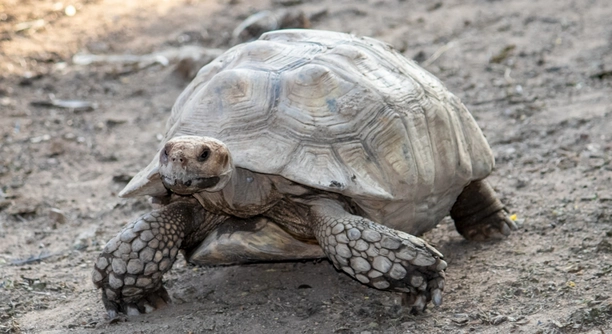
Tortoises are peaceful creatures, but sometimes they can get stressed. Recognizing the signs of stress in your pet is important for their health and well-being. Understanding how to care for them better will help improve their quality of life.
Tortoise stress can be caused by various factors, such as improper habitat conditions, sudden changes in routine, or health issues. Signs of stress may include lethargy, changes in eating habits, or abnormal behavior patterns. Identifying these signs early can prevent further complications.
Knowing the signs of stress can help you act quickly to ease your tortoise’s discomfort. From environmental adjustments to simple lifestyle changes, there are ways to improve your pet’s environment. Let’s explore how you can keep your tortoise happy and healthy.
1. Environmental Stressors: Too Hot, Too Cold, or Too Dry
Tortoises rely on a stable environment to feel secure. If their habitat is too hot, too cold, or too dry, they can become stressed. A temperature drop or extreme heat can impact their ability to regulate body temperature, leading to discomfort. Tortoises need a temperature gradient in their enclosure to choose the right spot to rest. Inadequate humidity can also dry out their skin, causing stress. Make sure your tortoise has access to a warm basking area and a cooler, shaded spot. Humidity levels should also be monitored, particularly if you have a species that thrives in more humid conditions.
Humidity and temperature are critical factors in a tortoise’s comfort. Maintaining a consistent environment reduces the likelihood of stress, ensuring your pet is comfortable and healthy.
To create the perfect environment, use thermometers and hygrometers to track temperature and humidity levels. This will help you maintain the right conditions for your tortoise. If you notice your tortoise showing signs of stress, like lack of movement or hiding more than usual, check the enclosure. Adjusting the temperature or adding a humidifier could help bring relief. Tortoises thrive best in environments that mimic their natural habitat, so being attentive to these details will go a long way in preventing stress.
2. Changes in Diet or Routine
Tortoises are creatures of habit, and any sudden changes to their diet or routine can cause stress. Introducing new foods too quickly or changing their feeding schedule can throw them off. A sudden change may even result in a lack of appetite or digestive issues. Tortoises need a balanced diet that is consistent and provides the necessary nutrients. If you’ve recently altered their food or feeding schedule, this may be the reason behind the stress.
Tortoises need stability in their daily routine, including feeding times. If something disrupts this, stress may occur.
Ensure that your tortoise’s diet consists of leafy greens, safe vegetables, and appropriate fruits. Avoid feeding them high-fat or high-protein foods that could upset their digestive system. Stick to a feeding schedule and gradually introduce new foods if necessary. Regularly monitoring your tortoise’s eating habits will help you spot any changes. If your tortoise is refusing food, it’s crucial to check whether their diet is balanced and their feeding schedule is consistent. The goal is to create an environment where your tortoise feels secure in their routine, which will keep stress levels low.
3. Poor Lighting Conditions
Tortoises need proper lighting to thrive. If their enclosure lacks UVB light, it can lead to stress and health issues, like weak bones. UVB light helps them process calcium, which is crucial for their overall well-being. Without proper lighting, they may feel lethargic or withdrawn.
UVB lights should be placed over the basking area, and they should be on for about 12 hours a day. Without these essential light sources, your tortoise may not be able to metabolize the nutrients it needs, leading to stress. A high-quality UVB bulb should be used and replaced regularly to ensure it remains effective.
Poor lighting can also affect a tortoise’s sleep cycle. If their enclosure is too dark or too bright for long periods, it disrupts their natural rhythms. Make sure the light schedule mimics the natural day-night cycle to help them feel secure. If your tortoise isn’t basking properly or seems inactive, the lighting might be the issue. Reevaluate the setup to ensure it meets their needs.
4. Overcrowding or Inadequate Space
Tortoises are solitary creatures that need ample space to roam and explore. Overcrowding in their enclosure can lead to stress. If multiple tortoises are housed together in a small area, they may become territorial and aggressive.
A larger enclosure allows your tortoise to feel secure in their environment. It should include hiding spots, room to move around, and various textures to explore. Inadequate space can cause them to feel trapped and overwhelmed. If you have more than one tortoise, it’s essential to give each one enough space to avoid territorial disputes.
An overcrowded enclosure increases stress levels and can also lead to health problems. Tortoises that are forced into close quarters may become anxious, display aggressive behavior, or stop eating. It’s important to remember that each tortoise requires its own space to feel safe. Regularly check their living area to ensure they have enough room to move comfortably. If the enclosure is too small, it’s time to upgrade to a larger space.
5. Stress from Handling or Overexposure
Tortoises may become stressed if handled too often or roughly. They don’t naturally enjoy being picked up or moved around too much, as it can make them feel unsafe. It’s best to limit handling to avoid causing unnecessary stress.
When you do handle your tortoise, be gentle and try to keep the interactions brief. Tortoises generally prefer to be left alone, especially if they’re not used to being handled. Too much handling can cause them to withdraw or show signs of discomfort. Always be mindful of their reactions to avoid overwhelming them.
6. Illness or Injury
Tortoises are masters at hiding signs of illness or injury. Stress can sometimes be a sign that something is wrong with their health. If your tortoise seems off, like eating less or being less active, it might be time to check for underlying health issues.
Illness or injury can also be caused by poor living conditions, such as unclean enclosures or improper diet. If you notice any unusual symptoms, it’s best to consult a vet. A proper diagnosis is essential to determine if medical attention is needed. Even slight behavioral changes should be taken seriously.
7. Environmental Noise or Disturbance
Loud noises or too much activity around a tortoise’s enclosure can cause them stress. They prefer a calm environment where they feel safe and secure. Consistent disturbances can make them anxious and restless, especially if they are not used to such noise.
It’s important to place your tortoise’s enclosure in a quiet area of your home. Loud music, pets, or sudden movements can disturb them. Maintaining a peaceful setting ensures that they don’t feel threatened. If you notice your tortoise reacting nervously, consider adjusting their space for more tranquility.
FAQ
How can I tell if my tortoise is stressed?
Signs of a stressed tortoise can vary, but some common indicators include changes in behavior, like hiding more than usual, being less active, or refusing food. A stressed tortoise might also show physical signs like excessive scratching or pacing in its enclosure. Changes in their normal routines, such as sleeping more or appearing lethargic, can also point to stress. Monitoring their environment and daily habits is key to spotting these subtle changes.
What should I do if my tortoise is not eating?
If your tortoise refuses food, first check the temperature and humidity levels in its enclosure. A drop in temperature or poor lighting conditions can make them lose their appetite. Additionally, offering new or unfamiliar food items might cause them to be hesitant. Make sure their diet is varied but consistent. If the refusal to eat lasts for more than a couple of days, consider taking your tortoise to a vet for a health check.
Can stress cause health problems in my tortoise?
Yes, long-term stress can lead to health issues in tortoises. Chronic stress weakens their immune system, making them more susceptible to illnesses. Stress can also cause digestive issues, like constipation, and may lead to abnormal behaviors, like excessive hiding or not basking enough. If not addressed, prolonged stress can significantly impact their overall health.
How can I reduce stress for my tortoise?
To reduce stress, ensure your tortoise has a proper living environment with appropriate lighting, temperature, and humidity. Avoid sudden changes in their diet or routine, and minimize handling to prevent unnecessary anxiety. Keep their enclosure clean, spacious, and peaceful. If they seem stressed, give them time to adjust and avoid overstimulating them with loud noises or constant movement around their enclosure.
What temperature should my tortoise’s habitat be?
Tortoises require a temperature gradient in their enclosure, with a warm basking area around 90-95°F and a cooler area around 75-80°F. A drop below 70°F or an excessive heat source above 100°F can cause stress. Using a thermometer to regularly monitor these temperatures is crucial to maintaining a comfortable environment for your pet.
Can I keep multiple tortoises together?
While it’s possible to keep multiple tortoises together, it’s important to ensure they have enough space. Overcrowding can cause stress and lead to territorial behavior, which can result in fights. If you do choose to house multiple tortoises together, make sure each one has its own area to bask and hide. Keep a close eye on their interactions to prevent aggression.
What foods should I avoid feeding my tortoise?
Tortoises should not be fed high-fat, high-protein, or high-sugar foods. Avoid offering foods like lettuce, cabbage, or fruits that are too rich in water content, as they can cause digestive issues. Steer clear of feeding them processed foods, dairy, or meat. Stick to leafy greens, vegetables, and safe fruits in moderation for a balanced diet.
Can a tortoise recover from stress?
Yes, a tortoise can recover from stress if the cause is addressed properly. Reducing stress factors like adjusting the temperature, improving diet, and providing a calm environment can help your tortoise feel more secure. However, if stress persists or leads to health issues, consulting a vet is necessary to ensure your tortoise is not suffering from a deeper problem.
How often should I handle my tortoise?
Handling should be kept to a minimum. Tortoises are not typically fond of being picked up or moved around too often. If you need to handle them, keep the sessions brief and gentle. Overhandling can lead to stress, so it’s important to respect their need for space. Let them come to you when they feel comfortable.
What should I do if my tortoise is pacing in its enclosure?
Pacing can be a sign of stress or boredom. Make sure the enclosure is large enough to allow for natural behaviors and that it has enough hiding spots, as tortoises can feel anxious without areas to retreat. Pacing could also indicate an issue with the temperature, humidity, or lighting in their environment. Check these factors to ensure they’re within the proper range.
Is it normal for my tortoise to be inactive during the winter?
Yes, many tortoise species become less active during the winter months. This is a natural behavior as they enter a form of hibernation or brumation. During this time, they may sleep more and eat less. However, ensure they are still in a warm and safe environment. If your tortoise appears too lethargic or isn’t eating even after the winter period, it could be a sign of health issues.
Can stress affect my tortoise’s shell?
Stress, especially when prolonged, can cause a tortoise to stop eating and basking, which can affect the growth of its shell. A lack of proper nutrition and UVB light can lead to shell deformities or softening. Ensuring a balanced diet with proper calcium levels and UVB exposure is key to maintaining a healthy shell.
How can I tell if my tortoise is comfortable in its enclosure?
A comfortable tortoise will display natural behaviors like basking, eating, and moving around its enclosure. They should also show interest in exploring their environment. If your tortoise is active, eating well, and not hiding excessively, it’s a good sign that the conditions are right for them. Regularly check for signs of stress or discomfort, such as lethargy, lack of appetite, or constant hiding.
Should I provide a water dish for my tortoise?
Yes, providing a shallow water dish is essential for your tortoise to drink and soak in. Some tortoises drink very little, but they still need access to clean water at all times. Soaking also helps with hydration and can prevent issues like dehydration or shell problems. Make sure the water dish is shallow enough for them to get in and out easily.
What is the best substrate for my tortoise’s enclosure?
The best substrate will depend on the species, but generally, tortoises do well with a mix of organic soil, coconut coir, and a little sand for texture. Avoid using cedar or pine shavings, as they can be toxic to tortoises. Ensure the substrate is deep enough to allow burrowing and hiding, but also easy to clean.
Can I let my tortoise roam outside?
If you live in a safe environment, you can let your tortoise roam outside. However, make sure the area is secure and free from predators. The temperature should also be suitable, with no drastic changes that could stress your tortoise. Supervise them at all times, as they can wander off or get into dangerous situations.
What should I do if I think my tortoise is sick?
If your tortoise shows signs of illness, like abnormal behavior, refusal to eat, or discharge from the eyes or nose, it’s important to see a vet immediately. A tortoise’s symptoms can be subtle, so even minor changes in behavior should be addressed promptly. A vet will provide a proper diagnosis and treatment plan to help your tortoise recover.
Final Thoughts
Stress in tortoises can often be prevented by maintaining a stable environment, providing proper care, and keeping an eye out for any signs of discomfort. It’s important to remember that these animals thrive in conditions that closely mimic their natural habitat. Regularly checking their enclosure’s temperature, humidity, and lighting can prevent many stress-related issues. By making sure that their home is well-maintained, you can reduce the risk of your tortoise becoming stressed.
Handling your tortoise carefully and sparingly is also key. While it can be tempting to interact with them often, it’s important to understand that too much handling may cause them anxiety. Allowing them the space to move freely and explore their environment without constant disturbance helps them feel safe. If you need to move or handle your tortoise, keep these interactions brief and gentle. Over time, you will learn what makes your tortoise feel most comfortable and at ease in their space.
Ultimately, observing your tortoise’s behavior and making adjustments as needed is the best way to ensure they remain healthy and stress-free. Paying attention to their food, habitat, and interactions will guide you in providing the best care. If stress persists despite your efforts, consulting a vet can help uncover any underlying health issues. By being proactive and attentive, you can keep your tortoise happy and comfortable for many years to come.

Hello,
If you enjoy the content that we create, please consider saying a "Thank You!" by leaving a tip.
Every little bit helps us continue crafting quality advice that supports the health, happiness, and well-being of pets around the world, for pets of all shapes, sizes, and species.
We really appreciate the kindness and support that you show us!