
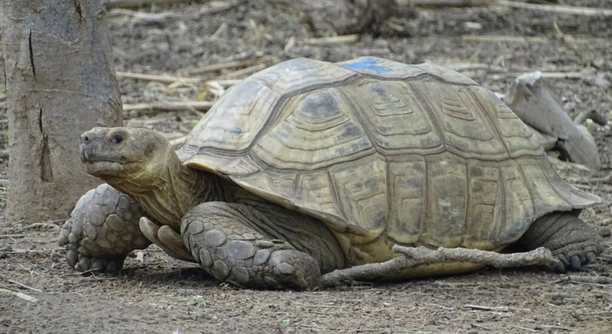
Ensuring your tortoise feels safe and secure in its habitat is essential for its well-being. As a pet owner, it is important to understand how to identify signs that your tortoise is comfortable in its environment.
A secure tortoise will exhibit relaxed behaviors, including calm movements, active feeding, and appropriate basking. Its shell should remain free from signs of stress, such as shell flipping or excessive hiding, indicating a comfortable and stable environment.
Understanding these signs will allow you to provide the best possible habitat for your tortoise, ensuring its health and happiness.
Comfortable Temperature Range
Maintaining the right temperature is one of the most important factors in ensuring your tortoise feels secure. Tortoises need both warm and cooler areas within their habitat to regulate their body temperature. A basking spot with a heat lamp should be set at 90-95°F, while the cooler area should range from 70-75°F. These variations help your tortoise maintain proper body temperature, which is essential for digestion and overall health. A consistent temperature range will prevent stress and ensure your pet feels comfortable in its environment.
A temperature gradient allows your tortoise to choose where it feels most at ease. This natural control over its environment reduces stress.
Investing in a good thermometer and monitoring the temperature throughout the day will give you confidence in maintaining an optimal environment. A warm area for basking is necessary for your tortoise to absorb heat. The cool side of the enclosure should provide a place where your tortoise can retreat to when it needs to cool down. Ensuring these temperature zones are in place will make your tortoise feel secure and content.
Proper Lighting
Proper lighting is essential for your tortoise’s health. UVB light is crucial for the synthesis of vitamin D3, which helps them absorb calcium for strong bones.
UVB light should be provided for 10-12 hours a day, simulating natural sunlight. Without this, your tortoise may become lethargic, suffer from weakened bones, or develop other health issues.
UVB light is crucial for your tortoise’s long-term well-being, so ensuring that it receives adequate exposure is essential. A high-quality UVB bulb, specifically designed for reptiles, should be placed within 12 inches of the basking area. Regularly replace the bulb, as UVB output diminishes over time, even if it still appears to work. Additionally, be mindful of the distance and placement to ensure your tortoise can get the maximum benefit from the light.
Adequate Space
Tortoises need room to roam, as they are naturally active creatures. A cramped space can make them feel stressed or insecure, which impacts their behavior and health. The minimum space requirement is generally around 4 square feet per tortoise, but larger enclosures are always better.
Giving your tortoise enough room encourages natural behaviors like roaming, foraging, and basking. A small enclosure can restrict movement, leading to inactivity and frustration. If the space feels too confined, your tortoise may hide more often or show signs of anxiety. Aim to create a spacious and enriching environment with hiding spots, climbing areas, and a variety of textures on the floor. This allows your tortoise to feel secure and safe in its home.
Adding new elements to their habitat, such as plants, rocks, or tunnels, can stimulate your tortoise mentally and physically. This gives them more control over their surroundings, enhancing their sense of security and comfort. A larger, more complex environment helps prevent boredom and stress.
Clean Habitat
A clean habitat is essential for a healthy and secure environment. Your tortoise should not have to live in a dirty or poorly maintained area. Regular cleaning prevents the buildup of harmful bacteria and ensures your pet’s space remains comfortable and safe.
Maintaining cleanliness goes beyond just removing waste. You need to regularly disinfect surfaces, clean water bowls, and replace substrate materials like bedding. Dirty conditions can lead to respiratory issues or skin infections. When their habitat is well-maintained, tortoises are more likely to stay healthy and active, which contributes to a secure feeling. It’s essential to check and clean their space daily, making sure that food debris, waste, and soiled bedding are removed promptly.
Changing the water frequently is just as important. Tortoises need clean water to drink and bathe in. Stale or dirty water can cause dehydration and increase the risk of infections. A clean environment will help your tortoise stay secure in its space and feel at ease, promoting overall well-being.
Secure Hiding Spots
Tortoises naturally seek hiding spots when they feel insecure. Having a designated area where they can retreat provides a sense of safety. It’s important to offer a variety of hiding options like tunnels, caves, or plants.
These hiding spots should be large enough for your tortoise to comfortably move around in. A secure space can reduce stress and give your tortoise the privacy it needs when feeling overwhelmed. A well-placed hide offers security, especially when your tortoise is adjusting to its environment. Without it, your pet may become anxious, leading to behavioral changes.
Healthy Diet
A balanced, nutritious diet is key to a tortoise’s overall health and well-being. Offering a variety of leafy greens, vegetables, and occasional fruits will help keep your pet healthy. Providing a proper diet ensures that your tortoise feels secure and energetic in its habitat.
It’s essential to research the specific dietary needs of your tortoise species. Certain species require specific nutrients to thrive, and meeting those needs promotes a healthier, happier tortoise. Supplements like calcium and vitamin D3 might also be necessary, depending on your tortoise’s requirements. Providing fresh, high-quality food ensures your pet feels strong and secure.
Minimal Stress
Keeping stress levels low in your tortoise’s habitat is crucial for its sense of security. Loud noises, sudden movements, and an unpredictable environment can cause stress, affecting its behavior. Reducing disturbances will help your tortoise feel more at ease.
Be mindful of the surrounding environment. Create a calm and stable space where your tortoise can thrive without unnecessary interruptions. This stability plays a significant role in how secure your tortoise feels in its habitat. A quiet, undisturbed area will contribute to your tortoise’s sense of safety.
FAQ
How do I know if my tortoise is stressed?
A stressed tortoise may exhibit behaviors such as excessive hiding, lack of appetite, or erratic movements. If your tortoise refuses to bask or seems lethargic, it may be stressed. Other signs include biting or scratching the enclosure or showing signs of aggression. Monitor these behaviors over time to determine whether something in the environment is causing stress.
Can I house more than one tortoise together?
It is possible to house more than one tortoise, but it depends on the species. Some tortoises are solitary and may become territorial, leading to fighting. It’s important to research the species you own to determine whether they can share a space peacefully. If housing multiple tortoises, ensure they have enough space, hiding spots, and food to reduce competition.
What should the humidity be in my tortoise’s habitat?
Humidity levels depend on the species of tortoise, but most require a dry to mildly humid environment. Generally, a humidity range of 40-60% is recommended for desert tortoises. Tropical species, like the red-footed tortoise, may need higher humidity levels, around 70%. Always research the specific needs of your tortoise to keep them comfortable and healthy.
How often should I feed my tortoise?
Tortoises should be fed every day, especially younger ones, to ensure proper growth and health. Adult tortoises typically eat every other day. Provide a variety of leafy greens, vegetables, and occasional fruits. Avoid overfeeding, as this can lead to obesity and other health issues. Fresh water should also be available at all times.
Can I use a regular light bulb for my tortoise’s basking spot?
No, regular light bulbs do not provide the necessary UVB light that tortoises need for proper calcium absorption. You should use a specialized UVB bulb designed for reptiles. This bulb helps your tortoise synthesize vitamin D3, which is critical for bone health and overall well-being. Make sure the UVB light is positioned close enough to the basking area, but not too close to cause overheating.
How often should I clean my tortoise’s enclosure?
It’s essential to clean your tortoise’s enclosure regularly to maintain a healthy environment. Spot-clean daily by removing waste and uneaten food. A full cleaning of the enclosure, including disinfecting surfaces and changing the bedding, should be done at least once a month. This will prevent bacteria buildup and keep your tortoise’s habitat hygienic.
Can I feed my tortoise fruit every day?
While tortoises enjoy fruit, it should be given in moderation. Fruit is high in sugar, which can lead to digestive issues and obesity if fed too often. Offer fruit as a treat, not a main part of their diet. Stick to leafy greens and vegetables for the majority of their meals.
How long do tortoises live?
Tortoises are long-lived animals, with some species living over 100 years in captivity. The lifespan varies depending on the species. Common pet tortoises, like the Russian or Leopard tortoise, live between 40 and 60 years, while larger species, such as the Galápagos tortoise, can live for over a century. Regular care and a proper habitat will help ensure a long and healthy life for your pet.
What should I do if my tortoise isn’t eating?
If your tortoise isn’t eating, it may be a sign of stress, illness, or environmental issues. First, check the temperature and humidity levels in its habitat. Ensure that the UVB light is working correctly and that the enclosure is clean. If the problem persists, consult a vet experienced with reptiles to rule out any health issues.
How do I make my tortoise’s habitat more secure?
To make your tortoise’s habitat more secure, ensure it has enough space to move around freely. Add hiding spots and places for climbing, and create a safe, stable environment by keeping the temperature and humidity in check. Regularly clean the enclosure and keep the area free from disturbances. If your tortoise is housed outdoors, make sure the enclosure is predator-proof.
What temperature should my tortoise’s basking spot be?
The basking spot should be between 90-95°F for most tortoise species. This allows your tortoise to absorb heat and regulate its body temperature. You can use a heat lamp to create this warm spot, but be careful not to place it too close to the tortoise. Always monitor the temperature to avoid overheating.
How do I handle my tortoise safely?
Handling your tortoise should be done gently and infrequently. Always support its body fully when picking it up, using both hands to lift it. Never grab your tortoise by the legs or tail, as this can cause injury. Place it down gently and avoid excessive handling, as this can cause stress.
Can I let my tortoise roam outside?
You can let your tortoise roam outside, but you should only do so in a safe, enclosed area. Make sure there are no predators around, and that the temperature is suitable for your tortoise’s species. Be cautious of plants that could be harmful if ingested. Always supervise your tortoise when it is outside.
What kind of bedding should I use for my tortoise?
The type of bedding depends on the species and its habitat. For desert tortoises, sand or a mixture of sand and soil works well. For tropical species, coconut coir or moss may be better to maintain appropriate humidity levels. Avoid using cedar or pine wood shavings, as they can be toxic.
Should I give my tortoise calcium supplements?
Calcium supplements are often necessary to ensure your tortoise gets enough calcium for strong bones and shells. Dust their food with a calcium supplement once or twice a week, depending on their diet and needs. Be sure to use a supplement with vitamin D3 to help with calcium absorption.
How can I tell if my tortoise is sick?
Signs of illness in a tortoise can include lethargy, lack of appetite, nasal discharge, swollen eyes, or a change in behavior. If your tortoise exhibits any of these signs, it’s important to seek veterinary care. Early detection can make a significant difference in treatment and recovery.
Can I keep my tortoise in a glass aquarium?
While a glass aquarium can work for young tortoises, it’s not ideal for adults. Aquariums are often too small and do not provide proper ventilation. It’s better to house your tortoise in a larger, well-ventilated enclosure with enough space to move around comfortably.
Final Thoughts
Caring for a tortoise requires careful attention to its environment, diet, and health. It’s essential to understand the specific needs of the species you own. Whether it’s the temperature, humidity, or lighting, creating a stable habitat is key to keeping your tortoise healthy and comfortable. Regularly monitor the conditions in its enclosure to ensure they remain consistent, as changes can stress your pet. A proper diet is equally important. Providing a variety of fresh vegetables and occasional fruits will support your tortoise’s long-term health.
Tortoises are naturally independent animals, but they still require human care and interaction. While they may not seek constant attention, they benefit from a secure and enriching environment that encourages natural behaviors. This can include climbing, basking, and foraging for food. Ensuring that they have space to roam and areas to hide will make them feel secure in their habitat. It’s also important to avoid over-handling, as it can cause stress. Be sure to observe your tortoise’s behavior and make adjustments to its environment as needed.
With the right care, tortoises can live for many decades, becoming long-term companions. By providing a balanced diet, proper habitat conditions, and monitoring their health, you can help your tortoise thrive. Remember to always do research on the specific needs of your tortoise species, as different types may have unique requirements. Regular veterinary checkups are also a good way to ensure your pet is in the best possible health. Caring for a tortoise may take effort, but it’s a rewarding experience that can bring joy for many years.

Hello,
If you enjoy the content that we create, please consider saying a "Thank You!" by leaving a tip.
Every little bit helps us continue crafting quality advice that supports the health, happiness, and well-being of pets around the world, for pets of all shapes, sizes, and species.
We really appreciate the kindness and support that you show us!