
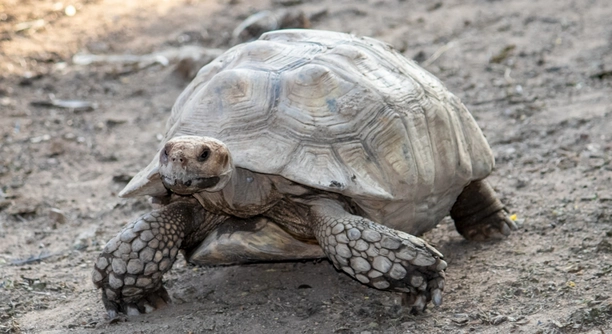
A healthy tortoise requires proper nutrition, including essential vitamins and minerals. Ensuring that these vital nutrients are part of their diet supports growth, strength, and overall well-being. This guide explores the best vitamins and minerals for your pet.
Essential vitamins and minerals such as Vitamin A, calcium, Vitamin D3, Vitamin E, phosphorus, magnesium, and potassium are crucial for a tortoise’s health. These nutrients support bone growth, immune function, and energy metabolism, contributing to overall vitality and longevity.
By ensuring your tortoise gets these vital nutrients, you will help maintain its health and happiness. The right balance can make a significant difference in your pet’s life.
Vitamin A: Vital for Vision and Immunity
Vitamin A is crucial for a tortoise’s health, particularly for vision and immune function. It helps maintain good eyesight and supports the skin, respiratory system, and reproductive health. Inadequate levels of Vitamin A can lead to eye infections, respiratory issues, and poor overall health.
A tortoise’s diet should include foods high in Vitamin A, such as dark leafy greens, carrots, and squash. These foods provide the necessary nutrients for your pet to thrive.
Without sufficient Vitamin A, tortoises can experience difficulties with vision, making it harder for them to navigate their environment. Additionally, poor immunity leaves them vulnerable to infections. Feeding your tortoise a balanced diet rich in Vitamin A will significantly improve its health and longevity.
Calcium: Essential for Strong Bones
Calcium is another critical nutrient that supports your tortoise’s skeletal health. Without enough calcium, your tortoise may experience weak bones and poor shell growth.
Offering calcium-rich foods like leafy greens, dandelion leaves, and clover will help your tortoise develop strong, healthy bones. Supplements may also be necessary for some species.
Calcium works with Vitamin D3 to ensure your tortoise’s bones and shell remain strong. Without it, they are at risk for metabolic bone disease, a condition that leads to deformities and weakness. Therefore, it is essential to provide your tortoise with the right sources of calcium to keep them strong and active.
Vitamin D3: Essential for Calcium Absorption
Vitamin D3 plays a critical role in calcium absorption. Without it, tortoises cannot properly absorb calcium, leading to weak bones and poor shell growth.
Tortoises synthesize Vitamin D3 through exposure to UVB light. Without proper UVB light, they cannot produce enough of this vitamin. Ensuring your tortoise gets adequate UVB light from a source like a reptile lamp is vital for calcium absorption and overall health.
In some cases, Vitamin D3 supplements may be required, especially for indoor tortoises that don’t have enough natural sunlight. These supplements can help support their calcium metabolism, but it’s important not to overdo it, as excess Vitamin D3 can cause toxicity.
Vitamin E: Protecting the Immune System
Vitamin E is an antioxidant that helps protect a tortoise’s cells from damage. It also plays a role in immune function, helping your pet stay healthy and resilient against infections.
A diet rich in Vitamin E, found in foods like leafy greens, bell peppers, and certain seeds, will keep your tortoise’s immune system strong. Vitamin E also supports skin health and can reduce the risk of inflammation and skin problems.
By maintaining a balanced diet with adequate Vitamin E, you support your tortoise’s immune system, making them less susceptible to illness. In the long run, this can lead to a healthier, happier tortoise that thrives in their environment.
Phosphorus: Supporting Bone Health
Phosphorus is an essential mineral for tortoises, as it helps maintain proper bone structure. It works with calcium to ensure bones and shells grow strong and healthy.
A balanced ratio of calcium to phosphorus is necessary for optimal bone health. Too much phosphorus without enough calcium can lead to weak bones and shell deformities.
Magnesium: Vital for Metabolic Function
Magnesium is involved in various metabolic processes, including muscle function, nerve transmission, and energy production. It supports the body’s ability to use calcium properly.
Tortoises can obtain magnesium from foods like leafy greens, herbs, and certain fruits. This mineral helps maintain proper muscle function, nerve health, and contributes to overall well-being. Without sufficient magnesium, tortoises may experience muscle weakness or nervous system issues, which can affect their overall activity.
Potassium: Maintaining Fluid Balance
Potassium plays a vital role in regulating fluid balance within the body. It ensures that muscles, nerves, and heart function properly. Without enough potassium, tortoises may experience weakness or digestive problems.
FAQ
What are the signs that my tortoise is not getting enough vitamins and minerals?
If your tortoise is not getting the necessary vitamins and minerals, you may notice a decrease in activity, difficulty moving, or poor shell growth. A lack of Vitamin A can cause eye problems, while insufficient calcium can lead to soft or deformed shells. Weakness in the legs, muscle tremors, and poor appetite are also signs that something may be missing from their diet. In severe cases, metabolic bone disease may develop, causing deformities or paralysis. Keep an eye on these symptoms and adjust their diet accordingly.
How can I ensure my tortoise is getting enough calcium?
To make sure your tortoise is getting enough calcium, provide a diet that includes calcium-rich foods such as dark leafy greens, dandelion leaves, and clover. You can also add a calcium supplement to their food or provide a cuttlebone in their enclosure for them to nibble on. Ensure they get exposure to UVB light, as it helps with calcium absorption. If your tortoise is indoors, a UVB light is a must, as natural sunlight may not be enough. Regularly monitor their shell growth, as a healthy shell is an indicator of proper calcium intake.
Can I give my tortoise Vitamin D3 supplements?
Yes, you can give your tortoise Vitamin D3 supplements if they are not receiving enough UVB light. Indoor tortoises, in particular, may need extra support in the form of Vitamin D3 supplements. However, it’s important not to over-supplement, as too much Vitamin D3 can be harmful. Instead, focus on providing UVB light to allow them to naturally produce Vitamin D3. Always follow recommended dosage guidelines for supplements, and consult a veterinarian if you’re unsure.
How much Vitamin A should I be giving my tortoise?
Vitamin A is essential for your tortoise’s vision, immune system, and overall health. You can provide Vitamin A through foods like dark leafy greens, carrots, and sweet potatoes. Most tortoises will get enough Vitamin A from their diet, but make sure to avoid over-supplementing, as excess Vitamin A can lead to toxicity. If you’re unsure whether your tortoise is getting enough, speak to a reptile vet for advice on the right balance.
Is it okay to feed my tortoise fruits?
Yes, tortoises can have fruits in moderation. Fruits like apples, strawberries, and melons can be a tasty and nutritious treat for your pet. However, they should only be offered occasionally due to their high sugar content. Fruits should never be the main part of their diet, as they can disrupt the balance of nutrients. Stick to a variety of leafy greens, grasses, and vegetables to meet their daily nutritional needs.
Can I give my tortoise a supplement instead of a balanced diet?
Supplements should never replace a balanced diet. While they can help fill in nutritional gaps, the best way to ensure your tortoise is getting the right vitamins and minerals is through whole foods. Supplements are meant to complement the diet, not to replace it. Focus on providing a variety of appropriate foods, and use supplements sparingly to fill in any gaps. Consult with a vet to determine if supplementation is necessary for your tortoise’s specific needs.
What fruits are safe for my tortoise to eat?
Some fruits are safe for your tortoise, including apples, strawberries, blueberries, and melons. These fruits can be offered as treats in small amounts. Avoid fruits that are too high in sugar or acidic, such as citrus fruits, as they may cause digestive problems. Always wash fruits thoroughly and remove any seeds or pits that could pose a choking hazard. Offer fruits in moderation to maintain a healthy, balanced diet.
Should I provide my tortoise with UVB light?
Yes, UVB light is essential for your tortoise’s health. It helps them produce Vitamin D3, which is crucial for calcium absorption and bone health. If your tortoise is kept indoors, UVB lighting is especially important, as natural sunlight may not be enough. Ensure the UVB light is the proper strength and placed close to their basking area. Without adequate UVB exposure, tortoises can develop metabolic bone disease and other health issues.
How often should I feed my tortoise?
The feeding schedule depends on the species and age of your tortoise. For adult tortoises, feeding them every other day is usually sufficient. Young tortoises, however, may need daily meals due to their faster metabolism. Offer a variety of leafy greens, vegetables, and some fruits, ensuring a good mix of nutrients. Always remove uneaten food after a few hours to prevent spoilage in their enclosure.
Can my tortoise eat lettuce?
Lettuce is safe for tortoises, but it should only be given in moderation. Avoid iceberg lettuce, as it lacks nutritional value and can cause digestive issues. Romaine and other dark leafy varieties are better choices, as they provide essential vitamins and minerals. Lettuce should not be the primary food; ensure a balanced diet with a variety of greens and vegetables for optimal health.
Is it okay for my tortoise to eat flowers?
Certain flowers are safe for tortoises to eat, such as dandelions, hibiscus, and clover. These can provide extra nutrients and variety in their diet. Be cautious about using flowers from your garden, as many plants can be toxic to tortoises. Always research flowers before offering them to your pet, and avoid those that have been treated with pesticides.
Final Thoughts
A well-balanced diet is crucial for your tortoise’s health and longevity. Providing the right vitamins and minerals ensures your pet grows properly and maintains a strong shell and bones. It’s not just about feeding them any food, but selecting the right foods that support their specific nutritional needs. Regularly offering a variety of leafy greens, vegetables, and occasional fruits is the best way to achieve a balanced diet.
Supplements can play a role in filling any gaps in their nutrition, but they should not replace natural foods. If you are unsure about your tortoise’s diet, consulting with a veterinarian is always a good step. Your tortoise’s environment, including the amount of UVB light they get, also plays a big part in their ability to absorb nutrients like calcium and Vitamin D3. Providing access to natural sunlight or using proper lighting indoors can make a significant difference in your tortoise’s overall health.
By paying attention to what your tortoise eats and maintaining a consistent feeding schedule, you can ensure that they stay healthy for years to come. Over time, you will learn more about what works best for your specific species, allowing you to adjust their diet as needed. Taking these steps will help create the foundation for a happy, healthy tortoise.

Hello,
If you enjoy the content that we create, please consider saying a "Thank You!" by leaving a tip.
Every little bit helps us continue crafting quality advice that supports the health, happiness, and well-being of pets around the world, for pets of all shapes, sizes, and species.
We really appreciate the kindness and support that you show us!