
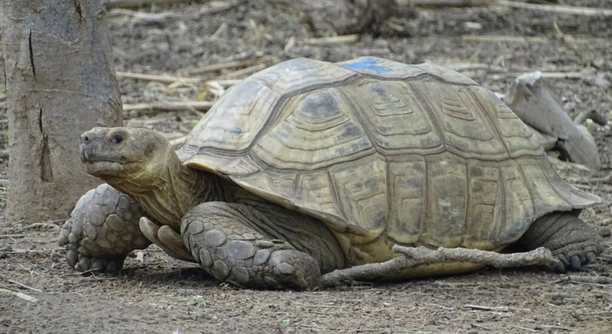
Owning a tortoise can be a rewarding experience, but it requires careful thought and preparation. There are several important factors to consider before making this commitment. Understanding these basics will help you provide the best care for your new pet.
Tortoises have specific needs regarding diet, habitat, and care that differ from other common pets. They can live for decades, so owning one is a long-term responsibility. Before buying a tortoise, it’s essential to research species and environmental requirements thoroughly.
The more informed you are, the better equipped you’ll be to provide the right environment. Keep reading for helpful tips to ensure your tortoise’s well-being and longevity.
What to Consider Before Choosing a Tortoise Species
When deciding to adopt a tortoise, choosing the right species is crucial. Different species have different care needs, including size, lifespan, and habitat requirements. Some species thrive in hot, dry environments, while others prefer more humid conditions. For example, the popular Leopard Tortoise requires a warm, dry environment, while the Russian Tortoise is better suited for slightly cooler climates. Additionally, the size of your tortoise will impact the space it needs. Larger tortoises, like the Sulcata, can grow up to 30 inches and weigh over 100 pounds, requiring a much larger enclosure.
Consider the amount of space you can provide and whether you have the resources to meet their specific needs. Tortoises may live for several decades, so this is a long-term commitment. Researching the species you’re interested in will help you make the best decision for both you and your future pet.
Understanding the care needs of various tortoise species will ensure you select one that fits your lifestyle. Proper research upfront prevents potential difficulties later on.
Setting Up the Right Habitat
Providing an appropriate habitat is key to your tortoise’s health and happiness. An indoor enclosure should be large enough to allow movement, with proper lighting, heating, and humidity. Outdoor enclosures are often preferred, especially for larger tortoises, as they allow natural sunlight exposure. When setting up the habitat, ensure the space has enough room for burrowing and grazing.
You’ll need to monitor temperature and humidity closely. Temperature gradients in the enclosure allow your tortoise to regulate its body temperature by moving between warmer and cooler areas. Humidity levels should also match the species’ natural environment. Too much or too little can lead to health problems. Make sure to include rocks, hiding places, and plenty of safe plants for your tortoise to explore.
The key to setting up a proper habitat is ensuring it mimics the natural environment as much as possible. This ensures a happy and healthy tortoise.
Diet and Feeding
Tortoises require a diet tailored to their species. Herbivorous tortoises enjoy a mix of leafy greens, flowers, and grasses, while some species may need more protein in their diet. It’s crucial to avoid feeding them foods high in oxalates or too much fruit. Always provide fresh water.
A balanced diet promotes healthy growth and longevity. Supplements like calcium and vitamins are often necessary, especially if your tortoise isn’t receiving enough UVB light. Always research specific dietary needs, as overfeeding or incorrect foods can lead to serious health problems, like obesity or kidney issues.
Feeding your tortoise the right foods and keeping their diet varied is essential for their overall well-being. Make sure the food is fresh and safe. Research is key to providing the healthiest options for your pet.
Handling and Interaction
Tortoises are not as social as other pets, but they can bond with their owners in their own way. Handling should be minimal to avoid stress. Gently pick them up when necessary, supporting their body, and avoid rough handling or frequent interactions.
Too much handling can stress out your tortoise and affect its health. While they may not seek attention, they can become familiar with your presence and may associate you with feeding time. Letting them explore their habitat without disturbance is often the best approach for them. Keep interactions calm and short.
The less you handle your tortoise, the better their well-being. Let them live in their habitat, with enough space to move around freely and feel secure.
Health and Wellness
Regular vet checkups are essential for monitoring your tortoise’s health. Be aware of signs like lethargy, changes in eating habits, or shell deformities. These can indicate underlying issues, so early detection is important. Ensure your tortoise’s diet and habitat meet its specific needs.
Parasites, respiratory issues, and shell infections are common health problems in tortoises. Providing a clean living environment and maintaining proper temperature and humidity levels can help prevent many of these. Additionally, offering a proper diet, including calcium, will promote a strong shell and healthy bones. Regular health assessments will keep your tortoise thriving.
Common Mistakes to Avoid
Many new tortoise owners overlook the importance of UVB lighting and temperature regulation. Tortoises need UVB light to properly metabolize calcium, which is crucial for their bone health. Additionally, neglecting the correct humidity levels can cause respiratory issues.
Some people also overfeed their tortoises, leading to obesity, or provide the wrong types of food, like too much fruit. These mistakes can lead to long-term health problems. To ensure a long and healthy life for your tortoise, it’s crucial to avoid these common pitfalls by doing research and creating the right environment.
Long-Term Commitment
Owning a tortoise is a long-term commitment, sometimes lasting decades. They require ongoing care, including feeding, habitat maintenance, and health monitoring. Be sure you’re prepared for the responsibility before getting one.
Tortoises’ long lifespan means they depend on you for much of their care, from routine checks to ensuring a proper diet and living space. It’s essential to stay committed to their well-being for the entirety of their life.
FAQ
What should I feed my tortoise?
Tortoises are primarily herbivores and should be fed a variety of leafy greens like kale, collard greens, and dandelion greens. You can also provide edible flowers and grasses. Avoid giving them too much fruit or high-oxalate foods like spinach. Offering fresh water daily is also important.
A balanced diet includes fiber-rich plants, which help digestion and overall health. Some tortoises may need a bit of protein, especially during certain stages of growth. Supplements, like calcium and vitamin D3, may be necessary to ensure they stay healthy, particularly for species that don’t get enough UVB light.
How big should the enclosure be for my tortoise?
The size of the enclosure depends on the species. Smaller tortoises, like the Russian Tortoise, need a minimum of 4 square feet of space. Larger tortoises, like the Sulcata, will require a much larger area—about 10 square feet or more.
Enclosures should provide enough room for them to roam, burrow, and have access to different temperature zones. Outdoor enclosures are often better for larger tortoises because they can be more natural, but indoor setups should have enough space to replicate these conditions.
How often should I handle my tortoise?
Tortoises generally don’t need much handling. They can become stressed if handled too often, so it’s best to minimize interaction. Pick them up only when necessary, such as for cleaning or if you need to move them to a different area.
Instead of handling, it’s better to allow your tortoise to explore their habitat. Overhandling can lead to anxiety and stress, which affects their health. Focus on creating a stable, enriching environment for them to thrive in.
Do tortoises need a heat source?
Yes, tortoises need a heat source to regulate their body temperature. They’re cold-blooded, which means they rely on external temperatures to stay warm. A heat lamp or ceramic heater is necessary to create a temperature gradient in their enclosure.
The basking area should be around 95°F, while the cooler side of the enclosure should be around 75°F. It’s important that the temperature stays stable because extreme fluctuations can lead to health issues, including respiratory infections and digestion problems.
Can tortoises live outside year-round?
Tortoises can live outside year-round in warm climates, but it depends on the species. Species like the Russian Tortoise can tolerate cooler temperatures, while others, like the Sulcata, require consistently warm weather.
If you live in a colder climate, consider bringing your tortoise inside during the winter months or providing a heated shelter outside. Always ensure they have enough protection from extreme weather conditions.
How do I know if my tortoise is healthy?
A healthy tortoise should have a strong, smooth shell, clear eyes, and good energy levels. If your tortoise is eating, moving around, and acting normally, they are likely in good health. Keep an eye out for signs like excessive lethargy, loss of appetite, or difficulty breathing, which could indicate health problems.
Regular vet visits are essential, as some issues, like internal parasites or respiratory infections, aren’t always visible. A consistent diet and proper habitat setup also play a key role in maintaining their health.
What kind of substrate should I use for my tortoise’s enclosure?
The substrate should mimic the tortoise’s natural environment. For desert tortoises, sand and soil mixes work well, while tropical species prefer coconut coir or cypress mulch. Avoid using substrates like cedar or pine, as their oils can be toxic.
Make sure the substrate is deep enough for burrowing, as many tortoises enjoy digging. It should also be easy to clean and keep dry to avoid mold or bacteria buildup.
How long do tortoises live?
Tortoises have long lifespans, often living for decades. Depending on the species, they can live anywhere from 30 years to over 100 years. For example, a Leopard Tortoise can live for 50 years, while the Sulcata can live up to 70 years or more.
Before adopting a tortoise, it’s important to understand that this is a long-term commitment. Be prepared for decades of care and ensure that you have the time and resources to care for your pet throughout its life.
Do tortoises need UVB lighting?
Yes, UVB lighting is crucial for tortoises, as it helps them metabolize calcium and prevents shell deformities and bone issues. UVB light should be provided for around 10 to 12 hours a day, mimicking the natural sunlight cycle.
If your tortoise is kept indoors, using a UVB bulb is necessary to ensure they get enough exposure. Outdoor tortoises generally receive sufficient UVB from the sun. Be sure to replace UVB bulbs every 6-12 months, as their effectiveness decreases over time.
How do I keep my tortoise’s enclosure clean?
Regular cleaning of the enclosure is important for preventing health issues. Remove uneaten food and waste daily. Wash the enclosure with mild soap and water weekly, and disinfect it every few weeks to prevent bacteria buildup.
If your tortoise spends time in water, make sure to change it regularly and clean the water dish to keep it free from mold and bacteria. A clean, dry habitat promotes good health and minimizes the risk of illness.
Final Thoughts
Owning a tortoise can be a rewarding experience, but it requires commitment and understanding. Before bringing one home, it’s essential to research the specific needs of the species you are considering. Tortoises have distinct dietary, habitat, and temperature requirements that must be met to ensure they thrive. By providing the right environment, a balanced diet, and proper care, you can help your tortoise live a long, healthy life.
Remember that tortoises are not low-maintenance pets. They need daily care, including feeding, cleaning, and maintaining the right temperature and humidity levels in their enclosure. It’s important to create a safe and enriching environment where they can roam, explore, and get the necessary sunlight. Whether you keep your tortoise indoors or outdoors, you’ll need to monitor the space regularly to ensure it stays clean and comfortable for your pet.
Ultimately, the decision to get a tortoise should not be taken lightly. These pets live for many years, so it’s crucial to think long-term about your ability to care for them. If you’re up for the responsibility, a tortoise can make a fascinating and loyal companion. With proper attention, your tortoise will not only grow but will become a well-adjusted pet that brings joy to your home.

Hello,
If you enjoy the content that we create, please consider saying a "Thank You!" by leaving a tip.
Every little bit helps us continue crafting quality advice that supports the health, happiness, and well-being of pets around the world, for pets of all shapes, sizes, and species.
We really appreciate the kindness and support that you show us!