
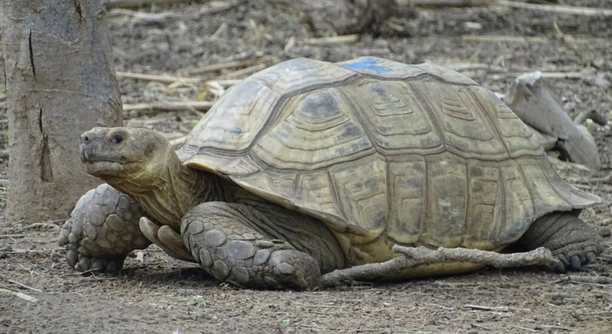
If you’ve noticed your tortoise hissing, you might be wondering what’s causing this behavior. It’s important to understand the reasons behind this sound, as it could be related to several different factors.
Hissing in tortoises is often a form of communication, commonly associated with fear, aggression, or discomfort. It may also result from respiratory issues, temperature stress, or territorial behavior. Understanding these triggers can help you address the problem effectively.
Knowing the reasons behind this behavior can help ensure the well-being of your tortoise and improve its living conditions.
Fear and Stress: Common Causes of Hissing
Tortoises are known to hiss when they feel threatened. If your tortoise is new to its environment or suddenly encounters something unfamiliar, the hissing may be a sign of fear. This behavior helps them warn potential threats, keeping them safe. It’s a defense mechanism that can be triggered by sudden movements, loud noises, or even the presence of other animals. In the wild, this hissing sound may serve to warn predators to stay away. If your tortoise hisses when you try to handle it, it may simply be scared or stressed by the interaction.
Fear-related hissing is often linked to a feeling of vulnerability. Being mindful of your tortoise’s surroundings and movements can help reduce this response. Make sure its habitat feels safe and stable.
Handling your tortoise gently and allowing it time to adjust to its new home can help reduce stress. Gradually introducing it to new situations and avoiding abrupt actions can make a significant difference in how your tortoise reacts to its environment.
Health Issues Can Lead to Hissing
Health problems, particularly respiratory issues, may also cause your tortoise to hiss. If the hissing is accompanied by coughing or labored breathing, it’s important to consider the possibility of illness. A common issue among tortoises is a respiratory infection, which may cause discomfort and lead to this vocal response.
If your tortoise seems lethargic or refuses food, it could be an indicator of an underlying health problem. Consulting a vet familiar with reptiles is essential to ensure proper treatment and to address the root cause.
Territorial Behavior
Tortoises can become defensive and hiss when they feel their territory is being invaded. They are naturally solitary creatures and may view their space as a safe zone. Any encroachment, whether by other tortoises or even humans, can cause them to react defensively. This territorial instinct is strong, especially during breeding seasons.
When a tortoise hisses in this situation, it’s warning others to stay away. If you have more than one tortoise, it’s important to give each individual enough space. Overcrowding can stress them out, increasing the chances of hissing or aggression.
Making sure each tortoise has its own area to roam can prevent conflicts. If territorial behavior is frequent, try providing visual barriers or separate enclosures to reduce stress and prevent the hissing response. Your tortoise will feel more comfortable and secure in a more private environment.
Temperature Stress
Hissing can also be a sign that your tortoise is experiencing temperature-related stress. Tortoises are cold-blooded animals and rely on external temperatures to regulate their body heat. If the enclosure is too hot or too cold, they may become uncomfortable and show signs of distress, including hissing.
It’s important to maintain a stable environment with both a heat source and a cooler area. If the basking spot is too hot, your tortoise may try to escape to a cooler area, and this behavior may cause it to hiss. Likewise, a cold environment can slow its metabolism, making it irritable.
Make sure you have a thermometer in the enclosure to monitor the temperature and adjust as needed. Keeping your tortoise in a comfortable range will help prevent hissing and ensure it remains healthy.
Respiratory Infections
A common cause of hissing in tortoises is respiratory infections. These infections can cause discomfort and difficulty breathing, which may lead to the hissing sound. Respiratory issues are often caused by poor living conditions, such as inadequate temperature or humidity levels. If your tortoise has a runny nose or appears lethargic, it’s time to seek veterinary care.
If left untreated, respiratory infections can worsen and lead to more severe health issues. Early diagnosis and treatment are crucial to ensure your tortoise recovers. A vet can prescribe the proper medication, and adjustments to the habitat might be necessary to prevent future infections.
In addition to seeking medical treatment, ensure that your tortoise’s environment is warm enough to promote healing. Proper humidity is also essential to prevent further respiratory complications. Keeping a close eye on your tortoise’s behavior can help you spot health issues early.
Overexertion
Overexertion can lead to hissing when a tortoise is physically stressed. If a tortoise is forced to move too much or too quickly, it may become agitated and let out a hiss. This is especially true if the tortoise is not given enough time to rest.
Allowing your tortoise plenty of downtime and not forcing physical activity will reduce the chances of hissing. If your tortoise hisses after being handled or moved, it may simply be overwhelmed by the exertion.
FAQ
Why does my tortoise hiss when I try to pick it up?
If your tortoise hisses when you attempt to pick it up, it may be feeling threatened or stressed. Tortoises are naturally cautious creatures and may not enjoy handling, especially if they are not accustomed to it. The hissing sound is a defensive reaction, signaling that it feels uncomfortable or unsafe. To minimize this behavior, allow your tortoise time to acclimate to its environment before attempting to handle it. Gently approach it and avoid sudden movements. Gradually increase the amount of time you spend handling your tortoise to build trust and reduce anxiety.
Can hissing be a sign of pain in tortoises?
Yes, hissing can sometimes indicate that a tortoise is in pain, especially if it’s accompanied by other signs like limping or lethargy. If your tortoise hisses consistently and exhibits changes in behavior, such as reluctance to move or a loss of appetite, it may be experiencing discomfort or injury. In these cases, it’s important to have your tortoise examined by a veterinarian. They can assess whether there is an underlying medical issue causing the pain and discomfort.
How can I prevent my tortoise from hissing due to stress?
To prevent stress-induced hissing, create a calm and stable environment for your tortoise. Ensure its enclosure is large enough, with proper lighting, temperature, and humidity levels. Provide plenty of hiding spots or shelter areas where it can retreat and feel safe. Avoid making sudden movements around your tortoise and handle it gently. By offering a consistent and secure environment, your tortoise will be less likely to hiss out of stress.
Should I be concerned if my tortoise hisses occasionally?
Occasional hissing in tortoises may not be a cause for concern. It’s a natural behavior used for communication, especially when they feel threatened or startled. However, if hissing becomes frequent or is accompanied by other signs of distress, such as changes in appetite, breathing difficulties, or lethargy, it’s essential to investigate further. In such cases, a visit to the vet is recommended to rule out any potential health issues.
Can hissing be related to territorial behavior in tortoises?
Yes, hissing can be a response to territorial disputes. Tortoises are solitary animals, and they can become protective of their space, especially if another tortoise is introduced into their environment. If your tortoise is hissing at another tortoise, it may be displaying territorial behavior. To reduce this, ensure that each tortoise has enough space and access to separate areas where they can feel secure. You can also try adding barriers or partitions in their enclosures to minimize direct interaction.
What should I do if my tortoise stops eating and starts hissing?
If your tortoise stops eating and begins hissing, it could be a sign of stress or illness. Stress factors may include changes in temperature, humidity, or environment. Illness, such as a respiratory infection, can also cause these symptoms. It’s crucial to assess the habitat conditions and make sure they’re optimal. If the issues persist, it’s best to take your tortoise to a veterinarian for a thorough examination. A professional can determine whether the hissing is due to illness or environmental stress and provide the appropriate treatment.
How can I help my tortoise feel less stressed?
To help your tortoise feel less stressed, ensure it has a stable environment with consistent temperatures, humidity, and lighting. Avoid sudden changes in its habitat, such as moving it to a new location or changing its diet abruptly. Tortoises are creatures of habit, and they thrive in predictable environments. Additionally, try not to handle your tortoise too much, especially in the beginning. Allow it time to adjust to its surroundings and gradually build trust.
Is there a connection between hissing and respiratory infections?
Yes, respiratory infections can cause hissing in tortoises. A tortoise with a respiratory infection may hiss due to discomfort or difficulty breathing. Other symptoms of respiratory issues include labored breathing, nasal discharge, or lethargy. If you suspect a respiratory infection, it’s essential to get your tortoise checked by a vet. Proper treatment can help prevent the infection from worsening and causing further distress.
Why does my tortoise hiss when it’s alone in its enclosure?
If your tortoise hisses when alone, it could be responding to feeling isolated or stressed in its environment. Tortoises may also make hissing sounds to communicate discomfort, even when there is no immediate threat. Make sure your tortoise has a comfortable and secure space, with enough room to move around and hide if necessary. Providing hiding spots or shelters can help your tortoise feel more secure and reduce anxiety.
Can temperature changes make my tortoise hiss?
Yes, temperature fluctuations can lead to hissing. Tortoises are ectothermic, meaning they rely on external heat sources to regulate their body temperature. If the enclosure is too hot or too cold, it can cause discomfort and stress, leading to hissing. Ensure that the enclosure has a proper heat gradient with a basking area and cooler areas to give your tortoise the option to regulate its temperature. Regularly check the temperature using a thermometer to avoid sudden changes that may trigger hissing.
Is it normal for a baby tortoise to hiss?
It is normal for a baby tortoise to hiss, especially when it feels threatened or stressed. Baby tortoises are more sensitive to their environment and can be easily startled. The hissing is a natural response to feeling insecure or fearful. As your baby tortoise becomes more comfortable in its environment and accustomed to human interaction, the hissing should decrease. Be patient and handle your baby tortoise gently to avoid causing unnecessary stress.
Final Thoughts
Understanding why your tortoise hisses is key to ensuring its well-being. While hissing is often a natural response to stress, discomfort, or fear, it can also signal an underlying health issue. It’s important to observe your tortoise’s behavior closely and recognize the signs that may indicate stress, illness, or environmental problems. Hissing, though common, should not be ignored, especially if accompanied by other symptoms like lethargy, changes in eating habits, or abnormal breathing. Addressing these issues early can help prevent further complications and keep your tortoise healthy and comfortable.
Creating a calm and stable environment is crucial in reducing stress-related hissing. Make sure your tortoise’s habitat provides the right temperature, humidity, and space. Offering hiding spots and ensuring that the enclosure is secure can also make your tortoise feel safer. By keeping your tortoise’s environment stress-free, you can minimize the chances of hissing due to environmental discomfort. Additionally, handling your tortoise gently and gradually will help it become more accustomed to human interaction, making it less likely to react with hissing.
In some cases, hissing may be a sign of a medical problem, such as a respiratory infection or injury. If the hissing persists or is accompanied by other signs of illness, it’s essential to seek professional care. A veterinarian can provide a proper diagnosis and recommend the right course of action. Regular checkups, a well-maintained habitat, and attentive care will ensure that your tortoise leads a healthy and happy life, free from unnecessary stress or discomfort.

Hello,
If you enjoy the content that we create, please consider saying a "Thank You!" by leaving a tip.
Every little bit helps us continue crafting quality advice that supports the health, happiness, and well-being of pets around the world, for pets of all shapes, sizes, and species.
We really appreciate the kindness and support that you show us!