
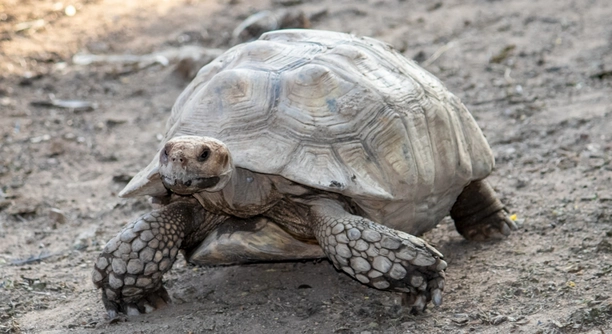
Tortoises are fascinating creatures, but they can sometimes be tricky to keep contained. If you’re struggling with a tortoise who loves to escape, you’re not alone. Many owners face the challenge of keeping their pets safe and secure.
To prevent your tortoise from escaping, ensure its enclosure is sturdy, with high walls and a secure lid. Adding barriers like mesh or wire can help keep them inside, and burying walls a few inches into the ground can discourage digging.
With these simple tips, your tortoise can stay safely inside while enjoying its space. Keep reading to learn more tricks that will help you create the perfect, escape-proof enclosure.
Secure Your Tortoise’s Enclosure with the Right Walls
One of the most important steps in stopping a tortoise from escaping is ensuring its enclosure has tall, sturdy walls. A tortoise can climb over or push through weak barriers, so it’s essential to use strong materials like wood, plastic, or stone. The height of the walls should be sufficient enough to prevent the tortoise from climbing over, ideally at least 18 inches to 2 feet high. Tortoises are surprisingly good at escaping, so investing in an enclosure that’s built to last is key to avoiding future issues.
Tortoises are persistent and can be determined when it comes to escaping, so make sure the enclosure walls are securely fastened. If using wood or plastic, ensure there are no gaps that could allow them to squeeze through. Double-check that the materials you choose are durable enough to handle the weather in your area as well.
Consider reinforcing the base of the walls with stones or adding a bit of wire mesh at the bottom. Some tortoises will dig under the barrier to escape, so making sure the enclosure is solid all the way around is crucial. Take a little extra time to check for weak spots and test the stability before leaving your tortoise unattended.
Use a Lid to Keep Your Tortoise Safe
Adding a lid to your tortoise’s enclosure can be a game changer. Tortoises may not be great climbers, but they can still find ways to escape from an open enclosure if they’re determined. A secure lid helps prevent this issue and keeps your pet safe from predators.
Using a lid ensures your tortoise stays protected, especially when you’re not around. You can choose a lid that’s easy to remove for cleaning or opt for a permanent one if your tortoise tends to escape frequently. The lid should be secure and not easily moved by your pet. A mesh or wire lid works well as it provides ventilation while keeping the tortoise contained. Make sure it’s fastened tightly so the tortoise can’t push it open.
Bury the Walls for Extra Protection
Burying the bottom of your enclosure walls is a smart way to prevent a tortoise from digging out. If your pet loves to burrow or tunnel, burying the walls a few inches into the ground can stop them from escaping. This tactic adds an extra layer of security that is simple but effective.
Digging is a natural behavior for many tortoises, so giving them a barrier beneath the soil helps to minimize this issue. Consider digging the walls 4-6 inches deep. You don’t need to dig deep trenches, but just enough to prevent any digging attempts. If you’ve built a wooden or plastic enclosure, be sure to reinforce the buried part so it remains stable over time. A little extra effort to bury the walls can save you from frustration in the long run.
If your tortoise is particularly determined, you might want to reinforce the base further by adding a layer of mesh or chicken wire. This will prevent any tunneling under the walls and give your pet a much safer environment. A secure base keeps them where they belong and ensures peace of mind for you.
Consider Using a Tortoise-Specific Enclosure
Not all enclosures are created equal, and it’s important to use one specifically designed for tortoises. Many pet stores sell enclosures that cater to their specific needs, offering more than just space. These specially designed setups provide the proper environment for your tortoise to stay active, comfortable, and contained.
A good tortoise enclosure should offer enough space for them to move around and feel secure, but it should also have features that prevent escape. Look for options with secure doors, locking mechanisms, and walls that are tall enough to prevent climbing. These enclosures may also come with a top or lid that provides added protection. Having a space that is tailored to their size and behavior reduces the chances of your tortoise finding a way out.
When selecting an enclosure, keep your tortoise’s size and species in mind. Some types may require more space or specific materials to thrive, so take time to research what works best for your pet. Providing a dedicated, safe space not only prevents escapes but also ensures your tortoise has a healthy, comfortable habitat.
Add Barriers for Extra Security
Adding additional barriers like wire mesh or a second layer of fencing can help keep your tortoise inside. Even if the main walls are secure, these extra layers give you peace of mind. A second barrier might be the perfect solution for persistent escape artists.
Mesh or wire can be attached to the inside of the main walls to create a more secure perimeter. If you’re dealing with an especially crafty tortoise, consider adding a barrier that goes halfway up the existing walls. The added height or extra layer will deter most escape attempts.
For digging tortoises, burying the bottom of the mesh or fencing will help further prevent tunneling. Reinforcing the bottom of the enclosure with mesh or wire is a great way to avoid issues and ensure your tortoise stays safe.
Make the Enclosure Engaging
A stimulating environment for your tortoise can keep it from getting bored and trying to escape. Provide items that encourage foraging, like plants, rocks, or logs. This helps keep your pet happy, reducing the desire to leave.
When your tortoise feels engaged in its environment, it will spend less time trying to escape. Adding a variety of textures and hiding spots for food creates mental stimulation and encourages natural behavior. Even a simple log or shallow pool of water can make the enclosure feel more like a home.
Maintain a Comfortable Temperature
A tortoise’s enclosure should be properly heated to mimic the warmth they enjoy in the wild. Without the right temperature, your tortoise may try to escape in search of better conditions. Ensuring the enclosure is comfortable can help reduce stress and escape attempts.
FAQ
How can I tell if my tortoise is trying to escape?
If your tortoise is constantly trying to push against the walls of its enclosure or seems to be digging more than usual, these are signs it may be trying to escape. You might notice that it’s trying to climb the sides or spending a lot of time near the boundaries. A stressed tortoise may also show signs of restlessness, constantly moving around or trying to push through weak spots. It’s important to check your enclosure regularly for damage, like small holes or cracks, which could indicate escape attempts. Monitoring behavior closely can help you identify the issue early.
How high should a tortoise’s enclosure wall be?
A tortoise’s enclosure should have walls at least 18-24 inches high. Some tortoises are capable of climbing over lower barriers, especially younger or more agile ones. Taller walls give your tortoise enough space to roam but also prevent it from escaping. Depending on the species, you might need even higher walls, especially if they are active climbers. Keep in mind that some tortoises may also push against barriers, so a solid, sturdy material like wood or stone is ideal for the walls.
Can a tortoise escape from a mesh enclosure?
While mesh can work well for certain types of enclosures, it might not be the best choice for a tortoise that’s prone to escaping. Mesh can be chewed through or pushed aside by determined tortoises. It’s important to make sure the mesh is strong and tightly secured to avoid escape. If your tortoise is an escape artist, a solid fence or wooden enclosure with a strong lid may be more effective. Additionally, ensure the mesh doesn’t have gaps wide enough for your tortoise to slip through.
What should I do if my tortoise escapes?
If your tortoise escapes, don’t panic. Start by checking the area around the enclosure for any gaps or weaknesses. Look for tunnels or spots where the tortoise might have pushed through. If you can’t find it nearby, search your yard or home thoroughly. Tortoises often hide in dark, quiet areas like under bushes or sheds. It’s a good idea to leave food near the enclosure to attract your tortoise back. In the future, reinforce the enclosure to prevent it from happening again, and make sure the lid or walls are secure.
How can I make my tortoise feel more comfortable in its enclosure?
To make your tortoise feel more at ease, provide enough space for it to roam, explore, and hide. Add plants, rocks, logs, and hiding spots that encourage natural behaviors. A shallow pool of water can also be beneficial, especially for species that enjoy bathing. You should also make sure the temperature and humidity levels are appropriate for the species you own. Tortoises thrive in environments where they feel safe, secure, and are given a chance to act like they would in the wild.
How do I prevent my tortoise from digging out?
If your tortoise loves digging, burying the bottom of the enclosure walls is a good solution. Tortoises naturally dig to create shelter or escape, so adding a few inches of buried material can prevent tunneling. Reinforce the bottom with a layer of chicken wire or mesh to make it more difficult for the tortoise to dig out. Make sure the walls are deep enough to prevent digging under. Adding logs or rocks inside the enclosure can also keep them entertained and reduce their need to dig excessively.
What materials are best for building a tortoise enclosure?
When building a tortoise enclosure, use sturdy, weather-resistant materials like wood, stone, or plastic. Wood provides a natural look but needs to be treated to prevent rot. Stone is a great option for creating high, secure walls that your tortoise can’t climb or chew through. Plastic or PVC is lightweight and easy to clean, but it may not be as durable as wood or stone. The material you choose should be able to withstand your tortoise’s digging and climbing attempts while keeping it safe inside.
Do I need to cover my tortoise’s enclosure?
Covering your tortoise’s enclosure with a lid or mesh can prevent escape and protect your pet from predators. It also keeps your tortoise from being exposed to extreme weather conditions. Make sure the lid is secure and can’t be easily moved by your tortoise. Mesh lids are good for ventilation but need to be strong enough to prevent your tortoise from pushing through. If your tortoise is prone to climbing, a solid lid might be necessary. A cover also helps keep the temperature inside the enclosure stable.
How often should I check my tortoise’s enclosure for potential escape routes?
It’s important to regularly inspect your tortoise’s enclosure for any possible escape routes. Once a week is a good frequency to check for any weaknesses. Look for gaps, cracks, or areas where the tortoise may have tried to dig or climb. Check the mesh for any holes or areas that may have loosened. If you find any weak points, repair them immediately to prevent escape. By checking regularly, you can address small issues before they become bigger problems.
Can I use a plastic pool as a tortoise enclosure?
A plastic pool can work as a temporary solution, especially for smaller tortoises. However, it’s important to ensure it’s large enough for your tortoise to move around comfortably. A plastic pool may not be secure enough to prevent escapes, as some tortoises are skilled at climbing over low sides. If you use a plastic pool, you’ll need to reinforce the walls and cover it securely. It’s also important to make sure it has enough space, warmth, and things to engage your tortoise. A pool might be best for a short-term option, but a more permanent structure may be needed for long-term care.
What is the best way to keep my tortoise from getting too hot in its enclosure?
Tortoises need warmth but can overheat if they don’t have a cool place to retreat. It’s important to set up your enclosure with a heat source like a basking light or heat lamp, but make sure there’s a shaded area where the tortoise can move to cool down. You can use natural elements, like logs or rocks, to create a temperature gradient that allows your tortoise to choose the temperature that feels best. Monitoring the temperature regularly is key to preventing overheating, which can cause stress or even harm to your tortoise.
Final Thoughts
Keeping a tortoise safe and secure inside its enclosure requires a bit of effort, but it’s worth it to ensure your pet is happy and healthy. With a few simple steps like building tall, strong walls, and adding extra barriers like mesh or wire, you can prevent most escape attempts. A well-designed enclosure will give your tortoise a comfortable environment, while also protecting it from danger. Whether you’re using a wooden, plastic, or stone structure, the key is to make sure the walls are secure and deep enough to stop digging or climbing.
It’s also important to make the enclosure engaging for your tortoise. Providing items like rocks, logs, and plants can help reduce boredom and keep your tortoise entertained. A little stimulation goes a long way in preventing escape behavior, as tortoises that feel at home in their environment are less likely to try to leave. Creating a suitable habitat with the right temperature and humidity is just as crucial for your tortoise’s health and well-being. If you’re unsure about the specific needs of your tortoise, taking the time to research and create the best environment will ensure a happy, long life for your pet.
Finally, regular maintenance and checks are essential to keeping your tortoise’s enclosure escape-proof. Tortoises can be persistent, so it’s vital to inspect your enclosure often for any signs of wear and tear, gaps, or areas that need reinforcement. With a solid plan in place, a bit of regular upkeep, and a few adjustments, you’ll be able to keep your tortoise safely inside. Over time, you’ll get to know what works best for your pet and adjust the setup as needed. Keeping your tortoise’s enclosure secure is a small but important part of being a responsible pet owner.

Hello,
If you enjoy the content that we create, please consider saying a "Thank You!" by leaving a tip.
Every little bit helps us continue crafting quality advice that supports the health, happiness, and well-being of pets around the world, for pets of all shapes, sizes, and species.
We really appreciate the kindness and support that you show us!