
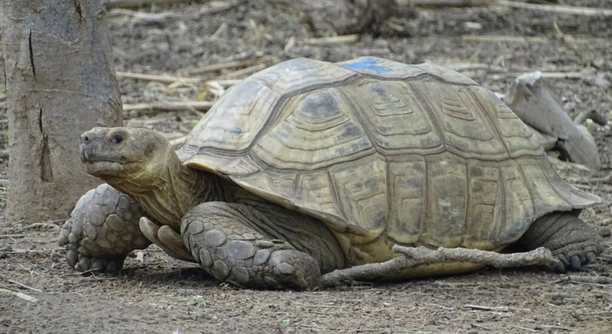
Tortoises are fascinating creatures, and many pet owners take great care in ensuring their well-being. However, when a tortoise’s skin starts to crack, it can be a concern. Understanding the possible causes is crucial.
Cracking skin in tortoises is typically a result of dehydration, improper humidity, or poor diet. These factors can affect their health, leading to dry, flaky skin. Correcting these issues is key to maintaining a tortoise’s skin health.
There are several ways to help your tortoise recover from skin cracking. Understanding the causes and applying the right treatments can improve their skin condition and overall health. Keep reading to find out how.
Dehydration: The Leading Cause of Cracking Skin
Dehydration is one of the most common reasons for a tortoise’s skin cracking. Tortoises need a constant supply of water to stay healthy, and when they don’t get enough, their skin becomes dry and brittle. This can lead to cracks, especially in the shell and legs. Tortoises get their moisture from drinking water, as well as from the food they eat. If your tortoise isn’t drinking enough, or if the environment is too dry, it can lead to severe dehydration.
Even though tortoises are adapted to dry environments, they still need water regularly. If you notice cracks, it’s a sign that your tortoise isn’t getting the hydration it needs. Adding a shallow water dish in their enclosure can encourage them to drink more frequently. Additionally, you can lightly mist the enclosure to increase the humidity. Keeping a proper balance between temperature and moisture is essential for maintaining healthy skin.
If your tortoise is dehydrated, make sure they have access to fresh water every day. A consistent hydration routine will prevent skin cracking and help them recover faster. By addressing the moisture issue, you can greatly improve their skin condition.
Poor Diet and Lack of Nutrients
A poor diet can also lead to cracking skin in tortoises. Lack of essential nutrients, particularly vitamins and minerals, can weaken their skin.
Tortoises require a balanced diet rich in fiber, calcium, and vitamin A. Without these nutrients, their skin and shells can become unhealthy. Vitamin A, for example, plays an important role in skin regeneration. Without enough of it, your tortoise’s skin won’t heal properly. Make sure your tortoise’s diet includes a variety of leafy greens, fruits, and calcium-rich foods like cuttlebone. Proper supplementation can also be added to ensure they are getting everything they need.
Inadequate Humidity Levels
Humidity plays a key role in a tortoise’s health. If the humidity in their enclosure is too low, their skin can dry out, leading to cracks. Tortoises that come from tropical or subtropical regions need a higher humidity level than those from arid climates. If you notice dry, flaky skin, it could be a sign that the humidity isn’t right.
Keeping the humidity level between 50-70% for most species is important. You can achieve this by regularly misting the enclosure or using a humidity control device. Adding a shallow water dish can also help, as the water will evaporate and increase the humidity. If your tortoise’s skin is cracking, check the humidity and make adjustments as needed. Regular monitoring of these levels can prevent skin problems from worsening.
Temperature Fluctuations and Skin Issues
Changes in temperature can cause stress to a tortoise’s skin, leading to cracks and dryness. Extreme cold or excessive heat can make it harder for your tortoise to stay hydrated and healthy.
Proper temperature regulation is vital. A temperature gradient should be maintained in their habitat so your tortoise can move to warmer or cooler areas as needed. If the habitat is too hot or too cold, your tortoise may not be able to hydrate properly, and the skin can begin to crack. Keeping the enclosure at the right temperature and avoiding sudden fluctuations will reduce stress on their skin and help maintain its health.
Managing temperature properly will not only prevent cracking but also ensure your tortoise remains active and healthy. A consistent temperature range will help your tortoise thrive, reducing the risk of skin issues.
Mites and Parasites: A Hidden Threat
Mites and parasites can also contribute to skin cracking in tortoises. These pests can cause irritation, leading to excessive scratching and damaged skin.
If your tortoise has mites, you may notice them scratching more than usual or even losing patches of skin. These pests can make the skin dry and weak. In severe cases, it can lead to cracking and infections. Inspect your tortoise regularly for any signs of external parasites. You may need to consult a veterinarian to treat the problem with medications designed for reptiles.
If your tortoise is dealing with mites, it’s crucial to act fast. Mites can worsen skin conditions quickly, so addressing the issue early is important. Regular cleaning of their habitat and using mite treatments can help your tortoise stay pest-free. Keeping their environment clean and checking for any signs of pests will prevent the issue from escalating.
Infections and Skin Damage
Infections can result from cracked skin, especially if left untreated. When the skin cracks, bacteria can enter and cause an infection. This can lead to swelling, redness, and further cracking.
The most common type of infection is bacterial, which may occur in the cracks of the skin. It’s essential to clean any affected areas carefully and avoid applying harsh chemicals. If the skin cracks have led to infection, a vet might recommend topical antibiotics or other treatments. Infected skin can be painful for your tortoise, so addressing the issue early is key to preventing long-term harm.
In addition to treating infections, make sure to monitor your tortoise’s skin regularly. Early detection of cracked skin and infection will lead to a quicker recovery and prevent the infection from spreading. Providing proper nutrition and hydration also helps keep their immune system strong, making it easier for their body to heal.
Overexposure to the Sun
Tortoises need sun to produce vitamin D3, which is important for their overall health. However, too much sun can lead to dry, cracked skin, especially if they don’t have access to shade or a way to cool off.
Overexposure to UV rays can dry out a tortoise’s skin, leaving it vulnerable to cracking. It’s important to provide your tortoise with a balanced environment, where they can choose to bask in the sun or retreat to a cooler, shaded area. If your tortoise is kept outside, make sure there is always a shaded area available to avoid overheating or skin damage.
Proper UV exposure is essential for bone health and metabolism, but it’s just as important to provide protection from excessive sunlight. A proper balance of basking time and shade can prevent skin from drying out and cracking.
Aging and Natural Skin Changes
As tortoises age, their skin naturally becomes drier and thinner. This can lead to cracks, especially if they aren’t getting the same level of care as when they were younger.
Older tortoises may also experience a slower metabolism, affecting hydration and skin regeneration. With age, they may not drink as much or process nutrients as effectively. This means they are more susceptible to skin problems like cracking and dryness. Keeping their environment and diet adjusted to their age is essential in maintaining their skin health.
Stress and Environmental Factors
Stress can lead to skin issues, including cracking. Tortoises are sensitive to changes in their environment, which can affect their overall health.
Common stressors include sudden temperature changes, loud noises, or a new enclosure. When a tortoise is stressed, its immune system weakens, which can lead to skin problems. Ensuring a calm, stable environment will reduce stress and help maintain healthy skin. Be mindful of sudden changes, as they can cause unnecessary stress that could harm your tortoise’s skin.
How to Treat Cracked Skin
Treating cracked skin involves addressing the root cause, such as dehydration or poor diet, and ensuring the environment is optimal. Start by providing more hydration, misting the enclosure to increase humidity, and ensuring a proper temperature gradient. You may also need to apply a gentle, reptile-safe ointment to soothe cracked skin.
If the cracking worsens or becomes infected, it’s best to seek advice from a vet. They can prescribe treatments like antibiotics or recommend special skin care for your tortoise. Regular check-ups will help you catch potential issues early.
FAQ
What should I do if my tortoise’s skin is cracked?
If your tortoise’s skin is cracked, the first thing you should do is assess the environment and health factors that might be contributing to the issue. Check for dehydration, low humidity, or an inadequate diet. Make sure your tortoise has access to fresh water daily and that the humidity levels in their habitat are appropriate. You can also apply a gentle, reptile-safe ointment to soothe the skin. If the cracking doesn’t improve, or if it becomes infected, a visit to the vet is recommended for proper treatment.
How can I increase the humidity in my tortoise’s enclosure?
Increasing humidity can be done by misting the enclosure lightly every day. You can also place a shallow water dish in their habitat to allow evaporation to raise the humidity levels. Another option is to use a humidifier specifically designed for reptile habitats. Make sure the humidity level is between 50-70%, depending on the species of tortoise. You may need to adjust your methods depending on the tortoise’s needs, but consistency is key to maintaining the right balance.
Can I use human lotions or ointments for my tortoise’s cracked skin?
No, you should never use human lotions or ointments on your tortoise. These products often contain chemicals or fragrances that could irritate your tortoise’s skin or cause further harm. Instead, use ointments that are specifically designed for reptiles, which are gentle and safe for their sensitive skin. If you’re unsure about which product to use, consult a veterinarian who can recommend appropriate treatments for cracked skin.
What are the signs of infection in a tortoise’s skin?
Signs of infection in a tortoise’s skin include swelling, redness, pus, or foul-smelling discharge coming from the cracks. If you notice these symptoms, it’s crucial to clean the area carefully and avoid applying harsh chemicals. Infections can worsen quickly, so a visit to the vet is recommended for proper diagnosis and treatment. Early intervention will help prevent the infection from spreading or becoming more severe.
Can low temperatures cause skin cracking in tortoises?
Yes, low temperatures can lead to skin cracking. Tortoises need a temperature gradient in their enclosure, allowing them to regulate their body temperature. If the environment is too cold, it can stress the tortoise and lead to dehydration or skin problems. Ensure the temperature in your tortoise’s habitat is stable and appropriate for their species. A basking spot should be provided to allow them to warm up and maintain proper hydration.
How do I know if my tortoise is dehydrated?
Dehydration in tortoises can be detected through several signs. If your tortoise has dry, cracked skin, sunken eyes, or is less active than usual, dehydration is likely the cause. Additionally, a dehydrated tortoise may show signs of weight loss or have difficulty passing stool. Providing consistent access to clean water and ensuring the habitat has proper humidity levels can help prevent dehydration.
Is it normal for my tortoise to shed skin?
Yes, shedding is normal for tortoises, just like it is for other reptiles. However, shedding should not cause cracking or discomfort. If your tortoise is shedding excessively or struggling with shedding, this could indicate a health issue, such as dehydration, poor diet, or incorrect humidity levels. Make sure their environment supports natural shedding by maintaining proper humidity and hydration. If the problem persists, consider consulting a veterinarian.
Can stress cause my tortoise’s skin to crack?
Yes, stress can affect a tortoise’s skin health. When a tortoise is stressed, its immune system may weaken, making it more vulnerable to skin problems like cracking. Common stressors include temperature fluctuations, sudden changes in their environment, or loud noises. Keeping a stable, calm environment is essential to reduce stress and ensure the health of your tortoise’s skin. If you suspect stress is the issue, try to identify the cause and address it as quickly as possible.
How often should I check my tortoise’s skin for cracks?
It’s a good idea to check your tortoise’s skin at least once a week for any signs of cracking or dryness. This will help you catch any issues early, especially if they are related to hydration, diet, or environmental factors. Regular skin checks also allow you to monitor for signs of infection or parasites, ensuring your tortoise’s health is maintained. If you notice any cracks, begin by adjusting their care and environment, and seek veterinary help if necessary.
Can poor diet cause skin issues in my tortoise?
Yes, a poor diet can lead to skin problems in tortoises. Tortoises require a diet that is high in fiber, vitamins, and minerals, especially calcium and vitamin A. Without the proper nutrients, their skin may become dry, flaky, or cracked. Ensure your tortoise is eating a variety of leafy greens, vegetables, and fruits. You may also need to supplement their diet with calcium and vitamin A if recommended by a veterinarian. A well-balanced diet is essential for maintaining healthy skin and overall health.
Final Thoughts
Taking care of a tortoise’s skin is essential for its overall health and well-being. Skin cracking can be caused by a variety of factors, including dehydration, poor diet, and environmental issues like low humidity or extreme temperatures. By understanding the root causes, you can provide better care for your tortoise and prevent skin problems from becoming more serious. It’s important to ensure that your tortoise is hydrated, has a balanced diet, and is living in an environment that supports its health. Regular checks of their skin and habitat can help catch any issues early, making it easier to treat them before they worsen.
A healthy diet plays a significant role in maintaining good skin. Tortoises need the right mix of vitamins, minerals, and fiber to stay healthy. Ensuring that your tortoise gets enough calcium, vitamin A, and other necessary nutrients will keep their skin and shells strong. Additionally, providing fresh water daily and keeping their habitat humid enough to avoid dehydration can go a long way in preventing cracked skin. If you notice any cracks or signs of infection, acting quickly and adjusting their environment or diet can help them recover faster and avoid more serious issues.
If the skin cracking doesn’t improve with basic care, or if you notice signs of infection or excessive irritation, it’s always best to consult with a veterinarian. In some cases, specialized treatments may be needed to address the problem. Taking steps to reduce stress and maintain a stable environment for your tortoise is also key to preventing skin issues. Ultimately, with the right care and attention, your tortoise can have healthy, smooth skin and live a long, happy life.

Hello,
If you enjoy the content that we create, please consider saying a "Thank You!" by leaving a tip.
Every little bit helps us continue crafting quality advice that supports the health, happiness, and well-being of pets around the world, for pets of all shapes, sizes, and species.
We really appreciate the kindness and support that you show us!