
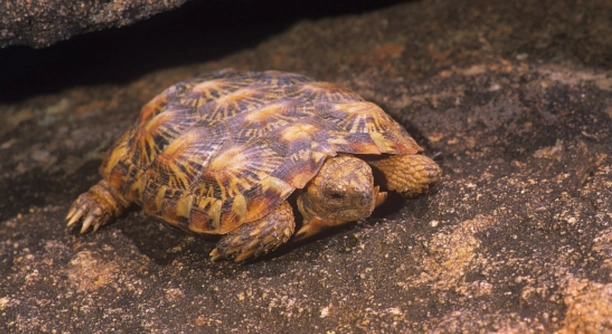
Tortoises are wonderful pets, but their care comes with certain responsibilities. One important aspect to keep an eye on is their nails. Overgrown nails can cause discomfort and affect their ability to move properly.
To prevent your tortoise’s nails from overgrowing, regular nail care is necessary. This involves providing natural wear, maintaining a proper diet, and sometimes trimming their nails if needed. Keeping your tortoise’s environment appropriate is key to healthy nail growth.
By following these simple steps, you can help ensure your tortoise remains comfortable and active. Proper nail care will promote a healthy lifestyle for your pet and avoid potential issues down the road.
Provide Natural Nail Wear
Tortoises in the wild naturally wear down their nails as they walk on rough surfaces like rocks, dirt, and gravel. In captivity, it’s important to replicate this natural wear by providing a variety of surfaces for your tortoise to explore. A good idea is to add rocks, logs, or textured surfaces to their habitat. These surfaces help your tortoise’s nails gradually wear down as they move around. Avoid keeping them in a habitat with just smooth floors, as this won’t offer much resistance to the growth of their nails. Allowing your tortoise to roam and explore encourages natural movement and supports healthy nail maintenance.
To further encourage natural wear, ensure your tortoise has enough space to roam freely. A large, well-designed enclosure allows them to exercise their legs and nails.
If your tortoise doesn’t have enough space or outdoor access, providing more textured objects to climb over or dig through will help. This can be anything from gravel to branches placed in their environment. These small additions will aid in the process of nail care without requiring much effort from you.
Regularly Check the Nails
Regularly checking your tortoise’s nails is a simple yet effective way to prevent overgrowth. Once you notice any nails becoming too long or curved, it’s time to act.
Check the nails every few weeks to spot any signs of overgrowth. If left unchecked, overly long nails can affect your tortoise’s ability to walk properly and lead to discomfort. You can gently lift the tortoise’s legs to inspect the nails. If trimming is necessary, ensure you do so with care to avoid injury.
Provide a Balanced Diet
A well-balanced diet plays a significant role in maintaining your tortoise’s overall health, including their nail growth. Ensure their diet includes a variety of leafy greens, vegetables, and occasional fruits. A proper diet provides the nutrients needed for healthy nails, preventing overgrowth.
Calcium and fiber are particularly important. Without proper nutrients, their shells and nails may become weak or prone to issues. Providing calcium-rich foods like dandelion greens or commercial calcium supplements can help keep your tortoise’s nails strong and manageable. A diet high in fiber aids digestion, which also supports their overall well-being.
Overfeeding is another issue to watch out for. Too much food can lead to obesity and other health issues, which may indirectly affect nail growth. Keeping their diet balanced and avoiding excess fat can contribute to the overall health of their nails and body. Make sure to adjust their food intake based on their age, size, and activity level.
Offer Adequate Exercise
Exercise is crucial for preventing overgrown nails. Tortoises need to move freely and naturally to help wear down their nails and maintain muscle strength.
Allow your tortoise time to roam outside or within a larger indoor area where they can explore. This encourages physical activity and helps keep their nails from growing too long. A tortoise who is consistently active on natural surfaces like dirt and grass will have the best chance of keeping their nails at a healthy length.
Make sure the environment is safe, with no sharp objects or dangerous obstacles. If you cannot offer outdoor access, create a stimulating indoor space with plenty of different surfaces for them to interact with. A good level of exercise will promote natural wear and overall health for your tortoise.
Trim Nails When Necessary
Sometimes, natural wear isn’t enough to keep your tortoise’s nails in check. If they become too long or curled, you may need to trim them yourself.
When trimming, be cautious and use appropriate tools, like small animal nail clippers. It’s essential not to cut too close to the quick to avoid causing injury. Always ensure your tortoise is calm before beginning.
If you’re unsure about trimming their nails, consulting a vet is a good idea. They can show you how to trim safely or even do it for you if necessary.
Maintain Proper Habitat Conditions
The right environment can play a key role in preventing overgrown nails. Make sure the habitat is clean, spacious, and offers enough room for movement.
Tortoises thrive in enclosures that mimic their natural habitat. Include rocks, logs, and textured surfaces for climbing. This helps with nail wear and overall physical health. The temperature and humidity should also be monitored closely to prevent discomfort that might affect their movement.
Avoid Overly Soft Surfaces
Keeping your tortoise on soft bedding or mats may feel comfortable, but it can actually lead to overgrown nails. Soft surfaces don’t allow their nails to wear down naturally, which can result in issues down the line.
FAQ
How can I tell if my tortoise’s nails are overgrown?
Overgrown nails are typically easy to spot. If your tortoise’s nails are curling, becoming long enough to touch the ground, or starting to cause difficulty in walking, they are likely too long. Healthy nails should be short enough that they don’t touch the ground, allowing your tortoise to move freely without any hindrance. Check for any obvious discomfort or abnormal behavior, such as your tortoise trying to avoid walking, which could indicate the nails are causing issues.
How often should I trim my tortoise’s nails?
The frequency of nail trimming depends on the individual tortoise and how well their nails are wearing down naturally. In general, you should check their nails once a month. If you notice that the nails are growing too long or causing movement issues, it’s time for a trim. For some tortoises, this may only be necessary once every few months, while others may need it more frequently. Always remember, trimming should be done cautiously to avoid injuring the tortoise.
What is the safest way to trim my tortoise’s nails?
Use small animal nail clippers designed for reptiles or gentle scissors with a rounded tip. Avoid using human nail clippers, as they may cause injury. It’s essential to carefully trim just the sharp tip of the nail, being careful not to cut too close to the quick (the pinkish part inside the nail). It’s best to trim one small section at a time, ensuring the tortoise remains calm and comfortable throughout the process. If you’re unsure, seek guidance from a vet to prevent accidental injury.
Can I prevent my tortoise’s nails from overgrowing naturally?
Yes, you can encourage natural nail wear by providing a proper environment. Allow your tortoise to roam on rough, natural surfaces like rocks, dirt, and gravel. These surfaces help keep the nails from growing excessively long. Make sure your tortoise has enough space to move around and explore freely. This will help them wear their nails down naturally through exercise and movement, reducing the need for frequent trims.
Is it safe to use a nail file on my tortoise’s nails?
Using a nail file is not recommended for tortoises. Their nails are relatively tough and require more substantial trimming tools like clippers designed for small animals. A nail file may not effectively shorten their nails and could cause stress or discomfort. Instead, focus on providing rough surfaces to naturally wear down the nails. If trimming is needed, use appropriate tools made for reptiles.
Can overgrown nails cause problems for my tortoise?
Yes, overgrown nails can lead to several problems for your tortoise. If the nails become too long, they may cause discomfort and difficulty walking, making it harder for the tortoise to move around. Overgrown nails can also lead to problems with balance and mobility, affecting the tortoise’s ability to forage or access food properly. In severe cases, long nails can become caught or broken, causing injury. Regular maintenance and natural wear are crucial to prevent these issues.
What can I do if my tortoise refuses to walk due to overgrown nails?
If your tortoise is avoiding walking because of long nails, it may be time to trim them. In cases of severe overgrowth, the nails could be causing pain or making movement uncomfortable. If trimming at home is difficult or you’re unsure, take your tortoise to a vet who can safely cut the nails and ensure the tortoise isn’t experiencing any other underlying issues. In the meantime, try to keep your tortoise on softer surfaces to reduce additional strain on the nails.
How can I provide a more natural environment for my tortoise’s nails?
Providing a more natural habitat is key to maintaining healthy nails. Include textured surfaces like rocks, logs, or outdoor spaces with dirt and grass. These surfaces will allow your tortoise to walk and climb, helping to wear down their nails naturally. Avoid using overly soft bedding or smooth floors that won’t help with nail wear. Additionally, allowing your tortoise time outside in a safe, controlled environment can give them the opportunity to roam on natural surfaces.
Should I use a vet to trim my tortoise’s nails?
If you’re unsure how to trim your tortoise’s nails or if the task seems too complicated, a visit to the vet is a good idea. A veterinarian with experience in reptiles can trim the nails safely and show you how to do it at home if needed. If your tortoise’s nails have grown excessively long, it’s better to seek professional help to avoid injuring the animal. Regular check-ups with a vet will also ensure your tortoise’s nails and overall health remain in good condition.
Can a tortoise live with overgrown nails for a long time?
While a tortoise can manage with slightly overgrown nails for a period, prolonged overgrowth can cause significant discomfort and health issues. The longer the nails remain overgrown, the more likely it is for problems to arise, such as difficulty walking, balancing, and even catching the nails on objects in the enclosure. It’s best to regularly monitor the length of your tortoise’s nails and trim them when necessary to avoid long-term complications.
Final Thoughts
Taking care of your tortoise’s nails is an important part of their overall health and well-being. Overgrown nails can lead to pain, difficulty walking, and other issues that can affect your tortoise’s quality of life. By providing the right environment and regular check-ups, you can help prevent overgrowth and ensure your tortoise remains comfortable. A natural, enriched habitat with a variety of surfaces is key to keeping their nails healthy and worn down naturally. This, along with a balanced diet, exercise, and occasional trimming, will help maintain their nails at a manageable length.
Trimming your tortoise’s nails doesn’t have to be a stressful task if done carefully and with the right tools. If you’re unsure about trimming, it’s always a good idea to seek professional help from a vet. They can show you the proper technique or take care of it for you. Regularly checking your tortoise’s nails will help you catch any issues early, preventing long-term problems. Keeping your tortoise’s nails properly trimmed and maintained will allow them to move freely and comfortably, helping them stay healthy and happy for years to come.
Remember, tortoises are resilient creatures, but they rely on us for proper care. By paying attention to their nail health, you’re ensuring they have the freedom and comfort to move around, explore, and live an active life. With just a little bit of effort in providing the right environment and care, you can easily prevent nail issues from becoming a problem. Regular check-ups and the occasional trim will go a long way in supporting your tortoise’s overall health and happiness.

Hello,
If you enjoy the content that we create, please consider saying a "Thank You!" by leaving a tip.
Every little bit helps us continue crafting quality advice that supports the health, happiness, and well-being of pets around the world, for pets of all shapes, sizes, and species.
We really appreciate the kindness and support that you show us!