
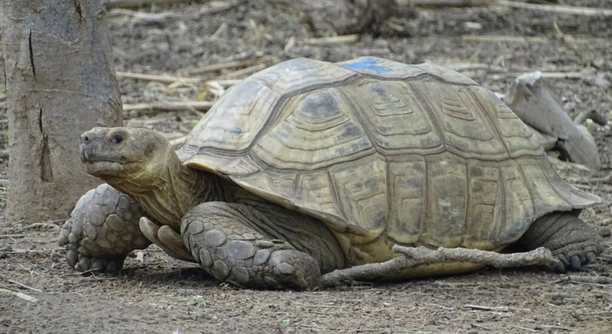
Tortoises are fascinating creatures, but sometimes, they can exhibit puzzling behaviors. If your tortoise is not digging, it may be confusing and concerning. Understanding why this behavior occurs can help you address potential issues with your pet.
There are several factors that may influence a tortoise’s digging behavior, including environmental changes, stress, health issues, and lack of appropriate space. Identifying the root cause requires careful observation and attention to your tortoise’s specific needs and habitat conditions.
Understanding these factors will help you pinpoint the reason behind your tortoise’s behavior and guide you toward effective solutions.
1. Environmental Factors Affecting Digging
Your tortoise’s habitat plays a significant role in its behavior. If the environment is too hot, too cold, or too dry, your tortoise might not feel comfortable enough to dig. Tortoises dig to regulate their body temperature and create a safe, cozy spot for resting. A habitat with poor ventilation or inadequate lighting could stress your tortoise, which may reduce its natural digging behavior.
The substrate you use is also important. If the bedding is too hard or unsuitable, like sand that doesn’t allow proper burrowing, it can deter your tortoise from digging. They prefer soft, loose soil that mimics their natural habitat. To make your tortoise feel at ease, make sure the temperature, humidity, and bedding material are suited to its species.
Improving the environment could encourage digging. Consider adding a variety of natural materials such as grass, moss, or even soil from your yard (without pesticides). These adjustments will help your tortoise feel more comfortable and secure.
2. Stress and Health Issues
Stress can also affect your tortoise’s digging habits. Stress can result from sudden changes in its environment, such as moving to a new home or being exposed to loud noises.
Tortoises under stress often display changes in behavior, including reluctance to dig. Health issues, such as digestive problems or respiratory infections, can also lead to reduced activity, including digging. Keeping an eye on your tortoise’s overall health and behavior is essential. If you notice lethargy, lack of appetite, or changes in its shell, it’s time to consult a veterinarian.
It’s important to address both environmental and health factors if your tortoise is not digging. Regular checkups with a vet, along with a comfortable and stable environment, can reduce stress and encourage natural behaviors like digging. A well-maintained home helps your tortoise thrive and feel at ease, fostering a happy, active life.
3. Age and Maturity
Young tortoises may not dig as much as older ones. It’s normal for younger tortoises to spend their time exploring rather than digging, especially if they are still adjusting to their environment. As tortoises mature, they often develop more consistent digging habits.
If you have a younger tortoise, give it time to grow and settle into its new space. It’s common for tortoises to start digging more as they age, particularly when they are looking for shelter or a comfortable place to rest. Patience is key in understanding how your tortoise will behave as it matures.
As tortoises get older, they may dig for different reasons, such as nesting or creating a secure environment for themselves. It’s important to recognize that the transition from a curious, less-digging tortoise to one that digs regularly may take a few years. Offering the right conditions will encourage natural behaviors as your tortoise matures.
4. Lack of Space
Tortoises need enough space to feel comfortable enough to dig. If their enclosure is too small, they may feel confined and reluctant to engage in digging behaviors. A cramped space also limits their ability to move around and find a suitable spot to dig.
Ensure that your tortoise has plenty of room to roam and explore. Ideally, the enclosure should be large enough for your tortoise to exhibit natural behaviors, such as digging, basking, and resting. Without this space, your tortoise may feel stressed or unable to express itself properly.
If you can, create a larger area for your tortoise, preferably one with various types of terrain. Offering different zones with soft soil, rocks, or even small hiding spots can inspire digging. A more spacious setup mimics their natural habitat and supports their instincts, improving their overall well-being.
5. Temperature Fluctuations
Tortoises rely on the temperature of their environment to regulate their body heat. If the temperature in their enclosure fluctuates too much, they may not feel comfortable enough to dig. Stable temperatures are essential for their well-being and natural behaviors.
Keeping the enclosure temperature steady ensures that your tortoise stays active and healthy. If it’s too cold or too hot, your tortoise might prefer staying in one spot rather than digging. Installing a reliable thermostat and heat lamps can help maintain an optimal environment for your tortoise to thrive.
By managing temperature consistency, you can encourage your tortoise to engage in more natural behaviors, like digging, and reduce stress.
6. Diet and Hydration
A well-balanced diet can affect your tortoise’s behavior. If your tortoise is not getting enough nutrients or water, it may become lethargic and show little interest in digging. Proper nutrition supports overall health and energy levels.
Hydration is just as important. A dehydrated tortoise may not have the energy to dig. Offer fresh water daily and ensure your tortoise has access to appropriate food. A varied diet with leafy greens, fruits, and vegetables will help keep your tortoise active and encourage natural behaviors like digging.
7. Overcrowding
If you have more than one tortoise in the same space, overcrowding could prevent proper digging. Too many tortoises in a small area may lead to competition for space and resources. This creates stress, which can inhibit digging.
Provide enough room for each tortoise to have its own space and create its own burrow. When tortoises are not overcrowded, they are more likely to engage in digging behaviors.
FAQ
Why do tortoises dig?
Tortoises dig for various reasons. It’s a natural behavior that helps them regulate their temperature, create shelter, or even find food. Digging allows them to stay cool in hot weather and warm in colder environments. In the wild, they also dig to create safe spaces or hide from predators.
Is it normal if my tortoise doesn’t dig?
It can be normal, especially if your tortoise is young or adjusting to a new environment. However, if your tortoise consistently avoids digging, it may indicate issues like stress, poor habitat conditions, or health problems. Pay attention to other behaviors and consult a vet if needed.
How can I encourage my tortoise to dig?
To encourage your tortoise to dig, ensure its habitat is comfortable. Provide soft, loose soil or sand that mimics its natural environment. A larger space with appropriate temperature and humidity levels will also encourage digging. Tortoises will be more likely to dig if they feel secure.
Do tortoises dig to sleep?
Yes, many tortoises dig to create a safe, comfortable place to rest or sleep. They may dig small burrows or depressions in the substrate to feel more secure and avoid temperature fluctuations. It’s part of their instinct to find shelter.
Can my tortoise stop digging as it gets older?
It’s possible that older tortoises may dig less, particularly if their habitat is stable and comfortable. However, some older tortoises may still dig to regulate temperature, seek comfort, or prepare for nesting. It largely depends on the species and individual habits.
What’s the best substrate for digging?
The best substrate for digging is soft and loose material like soil, coconut coir, or a mixture of sand and soil. It should be deep enough to allow your tortoise to burrow. Avoid hard, compact materials like gravel, as they won’t allow for natural digging.
Should I provide a nesting area for my tortoise?
Yes, providing a nesting area is beneficial, especially if your tortoise is a female or is reaching maturity. This area should include deep, loose soil for burrowing. Even if your tortoise doesn’t dig right away, it may eventually need a place for nesting.
Can temperature affect my tortoise’s digging behavior?
Yes, temperature plays a significant role in tortoises’ digging behavior. Tortoises dig to regulate their body temperature. If it’s too cold, they may dig to burrow for warmth. If it’s too hot, they may dig to create a cooler resting spot. A stable environment encourages natural behaviors.
How often should I change the bedding in my tortoise’s enclosure?
Bedding should be changed regularly to maintain a clean environment. It’s a good idea to spot clean daily, removing waste and soiled bedding. Fully replace the bedding every 4–6 weeks or when it becomes too dirty or compacted. A clean enclosure helps maintain your tortoise’s health.
Can my tortoise dig too much?
While digging is a natural behavior, excessive digging can be a sign of stress or discomfort. If your tortoise digs non-stop or digs in areas that don’t seem ideal, it could be an indication that something in its environment needs adjusting. Monitor its overall health and consult a vet if needed.
What is the best way to monitor my tortoise’s health?
Regular observation is key. Watch for changes in behavior, such as a lack of digging, reduced appetite, or lethargy. Also, check its shell for signs of damage or infection. Regular vet checkups and a well-maintained habitat will help you ensure your tortoise remains healthy and active.
Why do tortoises dig when they’re stressed?
Tortoises dig when stressed as a way to cope. Digging can provide them with a sense of security or allow them to escape uncomfortable surroundings. Stress factors could include environmental changes, overcrowding, loud noises, or improper temperature and humidity levels. Ensure their environment is stable.
Can my tortoise stop digging if it’s not comfortable with its enclosure?
Yes, if the enclosure is too small, too hot, too cold, or lacking adequate substrate, your tortoise may not feel comfortable enough to dig. Ensuring the enclosure is spacious, properly heated, and furnished with appropriate bedding can encourage natural digging behavior.
Final Thoughts
Understanding why your tortoise may not be digging is an important part of ensuring its well-being. Digging is a natural behavior for tortoises, and it serves many purposes, including temperature regulation, comfort, and even finding food. If your tortoise is not digging, it could be due to several factors, such as stress, an unsuitable habitat, or health issues. By identifying the cause, you can take the necessary steps to encourage your tortoise to dig or adjust its environment to make it more comfortable.
Creating a suitable environment is key. Make sure the enclosure provides enough space for your tortoise to move around and dig. The right type of substrate, such as loose soil or sand, can also help encourage digging. Maintaining a stable temperature is just as crucial, as tortoises rely on warmth to stay active and healthy. Be mindful of the humidity levels as well, as this can affect their overall comfort. When everything is set up properly, your tortoise will feel more secure and likely engage in natural behaviors like digging.
If you’ve checked all the factors mentioned and your tortoise still isn’t digging, it may be worth consulting a veterinarian. Sometimes, health issues like dehydration, nutrient deficiencies, or stress could be the underlying cause. A vet can help rule out any potential problems and provide guidance on how to improve your tortoise’s health and behavior. By taking these steps, you can ensure that your tortoise stays happy, healthy, and comfortable in its home.

Hello,
If you enjoy the content that we create, please consider saying a "Thank You!" by leaving a tip.
Every little bit helps us continue crafting quality advice that supports the health, happiness, and well-being of pets around the world, for pets of all shapes, sizes, and species.
We really appreciate the kindness and support that you show us!