
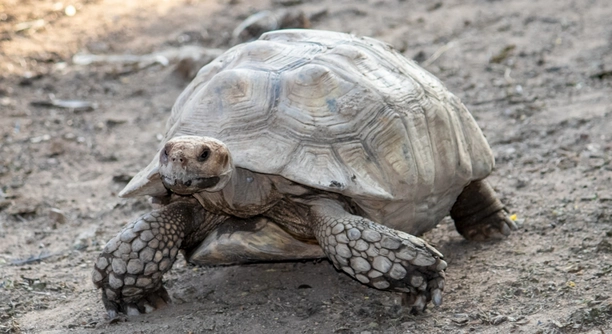
Getting a tortoise is an exciting experience, but there are important things to consider before bringing one into your home. Understanding their needs will ensure you provide the best care for your new pet.
Before getting a tortoise, ensure that you have the right habitat, food, and healthcare in place. These reptiles require specific temperature, lighting, and space to thrive. Providing these essentials will help your tortoise live a healthy life.
Learning about these crucial factors will help you make the best decisions for your new companion’s well-being. Preparing in advance will ensure both you and your tortoise are ready for a long, happy life together.
Setting Up the Right Habitat
Creating the right habitat is essential for a tortoise’s well-being. The environment you provide will directly impact its health. Tortoises need a spacious area to roam, a clean living space, and proper temperature control. Depending on the species, their needs can vary. Some require specific humidity levels, while others are better suited to dry conditions. It is vital to research the specific type of tortoise you plan to get, ensuring you create the right conditions.
Temperature is a critical factor. Tortoises need both a basking area with higher temperatures and cooler areas to regulate their body heat. The right lighting is also important to provide adequate UVB rays, which are necessary for calcium absorption and shell health. Without proper UVB light, your tortoise could develop metabolic bone disease.
Setting up the habitat also includes creating a suitable substrate. Natural materials like coconut fiber or soil can be used. Make sure the space is easy to clean and provides a safe, comfortable place for your tortoise to retreat and hide when necessary.
Feeding Your Tortoise Properly
Feeding your tortoise a balanced diet is crucial for its health. A variety of fresh vegetables and some fruits should be included in its daily meals.
Each tortoise species has its dietary preferences, so it’s important to learn what they require. Some species are herbivores, while others may need some protein in their diet. Tortoises benefit from food that is high in fiber and low in fat. Offering foods like dandelion greens, clover, and hibiscus flowers can mimic their natural diet. Avoid feeding them foods high in oxalates, such as spinach, which can interfere with calcium absorption.
Additionally, providing clean, fresh water at all times is necessary. Tortoises drink infrequently but will soak in water to help with hydration. Providing a shallow dish where your tortoise can soak and drink will help prevent dehydration. Always ensure the water is changed daily to keep it fresh. Proper hydration is just as important as a balanced diet.
Regular Health Checks
Routine health checks will help you spot potential problems before they become serious. A healthy tortoise will have clear eyes, a smooth shell, and will be active.
Watch for signs like lethargy, a lack of appetite, or changes in behavior, as these can indicate a health issue. Regularly inspect the shell for cracks, infections, or irregular growth. If you notice anything unusual, it’s important to contact a veterinarian who specializes in reptiles. Tortoises are prone to respiratory infections, parasites, and fungal growth, so it’s essential to stay vigilant.
Preventive care, such as parasite control, and regular vet visits will go a long way in keeping your tortoise in good shape. Make sure to also check their living space for cleanliness and hygiene. Bacteria and mold can cause problems if left unchecked.
Understanding Tortoise Lifespan
Tortoises can live for decades, with some species reaching over 100 years old. This long lifespan means you need to plan for their care throughout your life. Knowing the commitment involved is essential before bringing one home.
The long lifespan requires continuous care, including adjusting their habitat, diet, and healthcare as they age. Their needs can change over time, and it’s important to stay informed about how their environment should evolve. Regular vet visits and maintaining their living conditions will ensure a healthy life for your tortoise.
Tortoises also require a stable environment. Their natural instincts will keep them living for many years if properly cared for, but their longevity demands a responsible approach. Being prepared to meet their changing needs ensures they can live a long, happy life.
Temperature and Lighting Needs
Tortoises are cold-blooded, so maintaining the right temperature is crucial. They need a basking area with warmth and cooler zones for temperature regulation.
Providing both heat and UVB lighting is essential for their health. UVB light helps them absorb calcium and maintain a healthy shell. Without proper lighting, your tortoise could face bone health issues. Heat sources should be placed strategically, ensuring your tortoise can regulate its body temperature by moving between warmer and cooler areas.
In addition to lighting and heating, consider the humidity needs based on the species. Some tortoises, like the Russian or Leopard tortoise, prefer drier climates, while others, such as the Red-footed tortoise, need higher humidity levels. Regularly monitor the temperature and humidity to ensure a balanced environment.
Proper Substrate for Your Tortoise
Choosing the right substrate is key for your tortoise’s habitat. It must be safe, absorbent, and easy to clean. Substrates like coconut fiber or cypress mulch work well. Avoid using sand or gravel, as it can cause health issues.
The substrate helps maintain humidity levels and provides a comfortable surface for your tortoise to walk on. It should be deep enough for burrowing, as some tortoises like to dig. Regular cleaning is important to prevent bacteria buildup, which could lead to infections or respiratory problems.
Keep the substrate dry and change it periodically to maintain cleanliness.
Water and Hydration
Fresh water is essential for a tortoise’s health. A shallow dish should be provided at all times.
Tortoises don’t drink as often as other pets, but they do need access to fresh water. Soaking your tortoise occasionally in a shallow water dish can help them stay hydrated. Make sure the water is changed regularly to avoid any bacteria buildup. Providing fresh water is a simple but essential part of tortoise care.
Handling Your Tortoise
Handling should be done gently and infrequently. Tortoises aren’t cuddly pets and prefer to stay on the ground.
While tortoises can tolerate being held, excessive handling can stress them out. It’s important to support their body fully when lifting them, keeping their legs and shell stable. Avoid handling them for long periods to prevent them from becoming stressed or frightened. Instead, let them roam in their habitat where they feel secure. Proper handling ensures they are comfortable and reduces the risk of injury.
FAQ
How big should my tortoise’s enclosure be?
The size of the enclosure depends on the species of tortoise you have. As a general rule, larger tortoises require more space. For example, a Russian tortoise can live in an enclosure that is 4 feet by 2 feet, while a larger species like the Leopard tortoise needs a space that’s at least 6 feet by 6 feet. The more room they have, the better they will be able to move and stay healthy. Make sure the space is large enough for them to roam and exercise.
Can I keep my tortoise outside?
Yes, you can keep a tortoise outside, but only if the weather is appropriate for the species you have. Tortoises are cold-blooded and require a warm, safe environment. You will need to provide them with a secure outdoor pen that protects them from predators. The outdoor enclosure should have both a sunny area for basking and a shaded area to cool down. It’s also important to bring them indoors during colder months or extreme weather to ensure they stay safe and comfortable.
What should I feed my tortoise?
Tortoises are mostly herbivores, and their diet should be made up of a variety of fresh vegetables, weeds, and grasses. Leafy greens like dandelion, collard greens, and mustard greens are great options. Fruits like apples and strawberries can be given in moderation, but be careful of high-sugar fruits. Tortoises benefit from food rich in fiber and low in fat. Make sure the food is pesticide-free and varied to give your tortoise a balanced diet. You can also provide a calcium supplement to help maintain their shell health.
How often should I feed my tortoise?
Tortoises are slow eaters, and feeding frequency can vary by species and age. Adult tortoises usually eat once every 2 to 3 days, while younger tortoises may require daily feedings. You should offer fresh food every time you feed them, and remove any uneaten food to prevent bacteria growth. Always ensure that your tortoise has access to fresh water as well.
Can my tortoise live with other pets?
It’s best not to house your tortoise with other pets, especially if those pets are not reptile-friendly. Some animals, such as dogs or cats, may see tortoises as prey or cause them stress. If you want to house multiple tortoises together, it’s important to ensure that they are the same species and have enough space to avoid territorial fights. Always supervise interactions to ensure your tortoise remains safe.
How do I keep my tortoise’s shell healthy?
A healthy diet is key to maintaining a tortoise’s shell. Providing enough calcium and vitamin D3 is essential for shell growth and maintenance. UVB lighting is also necessary for calcium absorption, as it allows your tortoise to produce Vitamin D3 naturally. Keep your tortoise’s environment clean, and ensure that they have a proper substrate to avoid shell damage. Regular check-ups with a reptile vet can help detect any early signs of shell rot or other conditions.
Why does my tortoise hide?
Hiding is a natural behavior for tortoises, especially if they feel stressed, tired, or unwell. Tortoises may hide to feel secure and rest. If your tortoise is hiding more than usual, check if there are any changes in their environment or if they are not feeling well. If hiding is accompanied by other signs like lack of appetite or lethargy, it’s important to consult a vet.
Can I let my tortoise roam free in my home?
While it may seem like a fun idea, letting a tortoise roam free indoors is not always a good idea. Tortoises can wander into dangerous areas, like under furniture, or near electrical cords, which could pose risks. They may also cause damage to your home or plants by chewing on things. It’s best to provide a secure, designated area where your tortoise can roam and explore safely.
What temperature should I keep my tortoise’s enclosure?
Tortoises need a range of temperatures to thrive. A basking spot should be around 90 to 100 degrees Fahrenheit, while the cooler side of the enclosure should be around 70 to 80 degrees. At night, temperatures should not drop below 65 degrees Fahrenheit. If your home is cooler, you may need a heat lamp or heating pad to maintain the proper temperature. Always monitor the temperature with a reliable thermometer to ensure your tortoise is comfortable.
How can I tell if my tortoise is sick?
Signs of a sick tortoise can include a lack of appetite, lethargy, wheezing or nasal discharge, and unusual behavior. If your tortoise seems less active than usual or is hiding more, it could be a sign of illness. Shell issues like soft spots or cracks, abnormal growth, or discoloration could indicate nutritional deficiencies or infections. If you notice any of these symptoms, it’s best to consult a reptile vet immediately for diagnosis and treatment.
Final Thoughts
Taking care of a tortoise requires attention to detail, patience, and understanding of their needs. A tortoise can live a long, healthy life if provided with the right environment, diet, and care. It is essential to understand their specific requirements, whether it’s their housing, food, or temperature needs. By creating a proper space that mimics their natural habitat, you can ensure that your tortoise feels secure and comfortable.
When it comes to feeding, variety is important. Tortoises thrive on a diet of fresh, pesticide-free vegetables and greens. Offering a wide selection of plants, along with occasional fruits, helps keep their diet balanced. Always remember to provide fresh water daily and ensure that their food is not left too long in the enclosure to prevent contamination. Regular feeding schedules will help maintain their health and energy levels.
In addition to diet and housing, proper care also includes monitoring your tortoise’s overall well-being. Make sure to provide adequate UVB lighting to support calcium absorption, as this is crucial for shell health. Keep their environment clean, and check their shell for any signs of injury or infection. If you notice unusual behavior or symptoms, seeking advice from a vet with reptile experience is always a good idea. With proper care, your tortoise will thrive, offering you years of enjoyment and companionship.

Hello,
If you enjoy the content that we create, please consider saying a "Thank You!" by leaving a tip.
Every little bit helps us continue crafting quality advice that supports the health, happiness, and well-being of pets around the world, for pets of all shapes, sizes, and species.
We really appreciate the kindness and support that you show us!